Day 430 – Cuenca to Hacienda San Marcos (Pucalpa) – 47km/1052m climbing
Day 431 – Pucalpa to Ona – 58km/801m
Day 432 – Ona to Saraguro – 37km/1121m
Day 433 – Layover @ Saraguro
Day 434 – Saraguro to Loja – 71km/1390m
Day 435 & 436 – Layover @ Loja, Ecuador
Day 437 – Loja to Vilcabamba – 39km/594m
Day 438 – Layover @ Vilcabamba
Day 439 – Vilcabamba to Yangana – 21km/752m
Day 440 – Yangana to Palanda – 58km/1397m
Day 441 – Layover @ Palanda
Day 442 – Palanda to Zumba – 48km/1311m*
Day 443 – Zumba to Namballe (Peru) – 33km/752m*
Day 444 – Namballe to San Ignacio – 41km/1322m
Day 445 – Layover @ San Ignacio
* designates slow going gravel for those cyclists potentially following our path
Total bicycling distance: 10,768 miles (17,337km) Total bicycling climbing: 557,779 feet (170,044 meters) Countries: 12
We spent one week off the bicycles in Cuenca, Ecuador, and what a treat it was. This southern Andes city of 700,000 residents sits at about 8,500 feet elevation and is known for its colonial architecture, cultural sights & proximity to “Las Cajas” national park. A couple that we’d met a year earlier in Oregon happened to cross paths with us in Cuenca and spoiled us with home cooked food and hikes into Las Cajas National Park. Linda & Cliff are semi-expats, and their local friend John has been an expat in Cuenca for 10 years. It was wonderful to step away from the bicycles and learn more about Ecuador, Cuenca, and expat lifestyle while enjoying hiking in the national park and connecting over similar interests – thank you Linda, Cliff & John!!
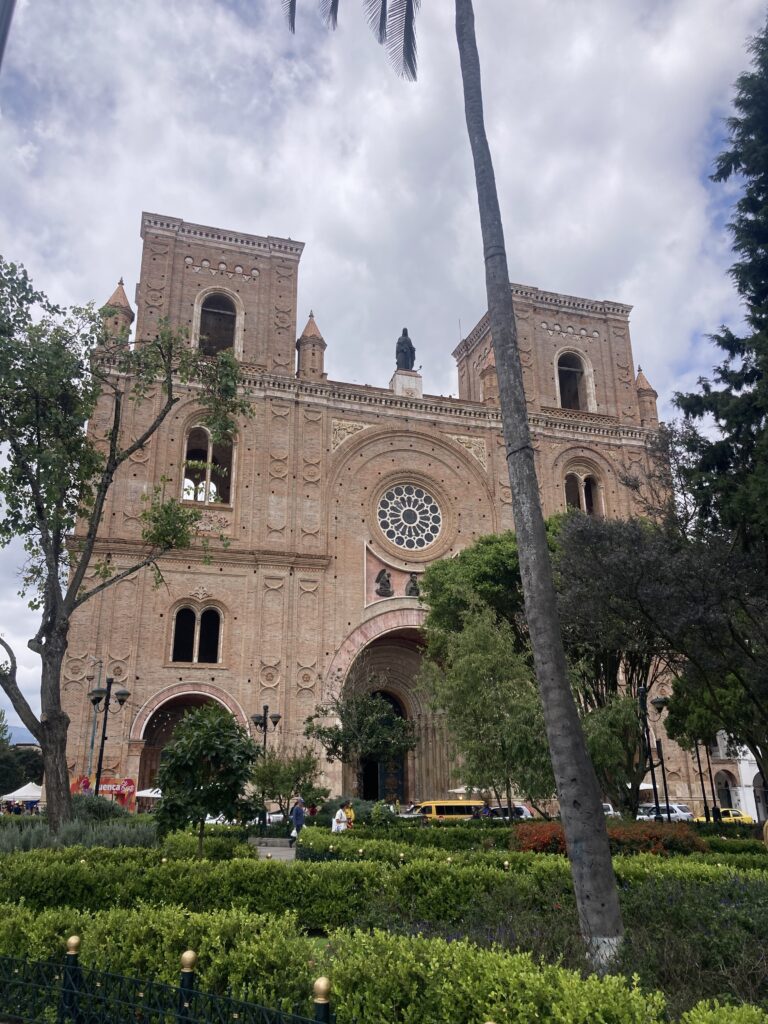
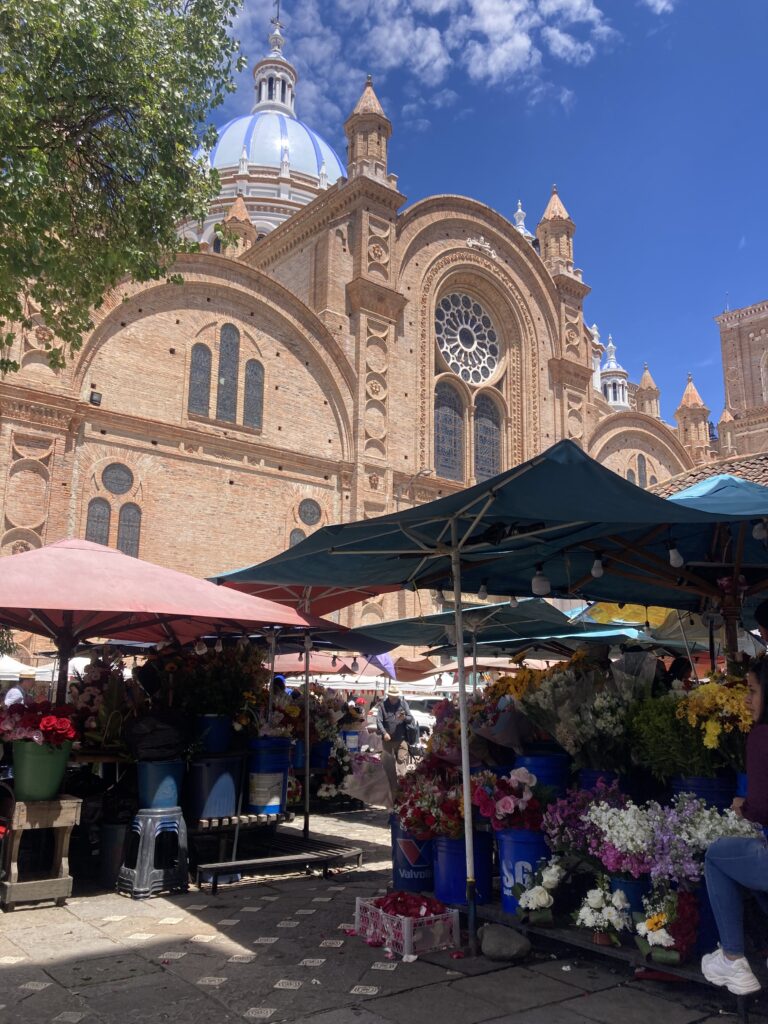
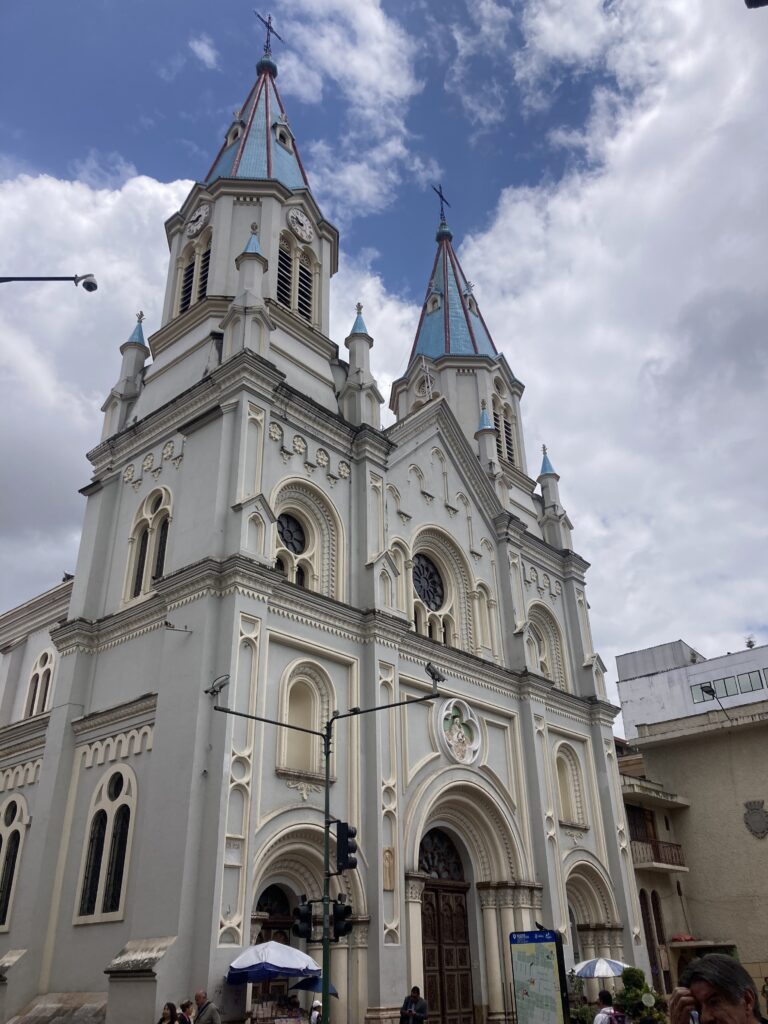
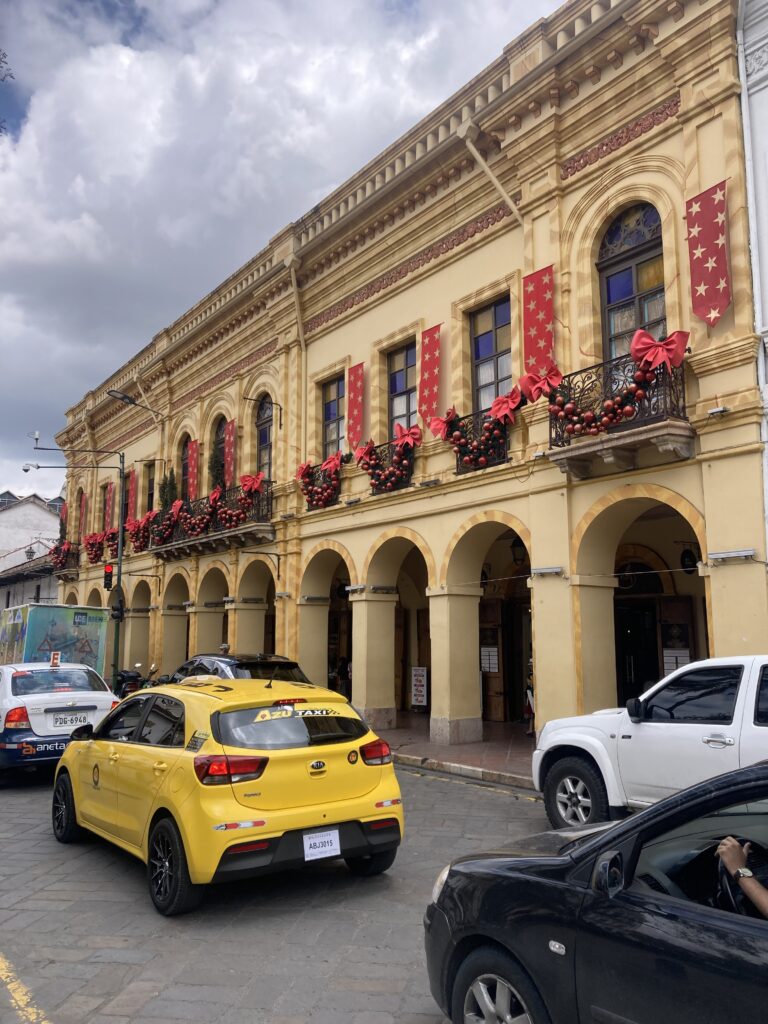
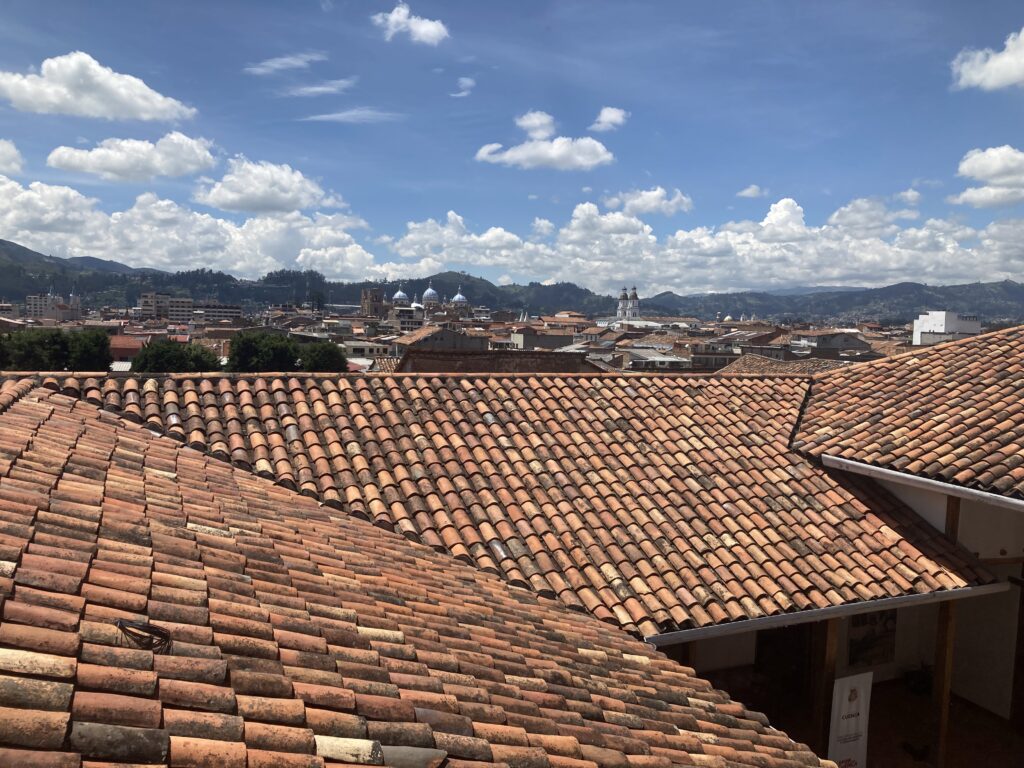
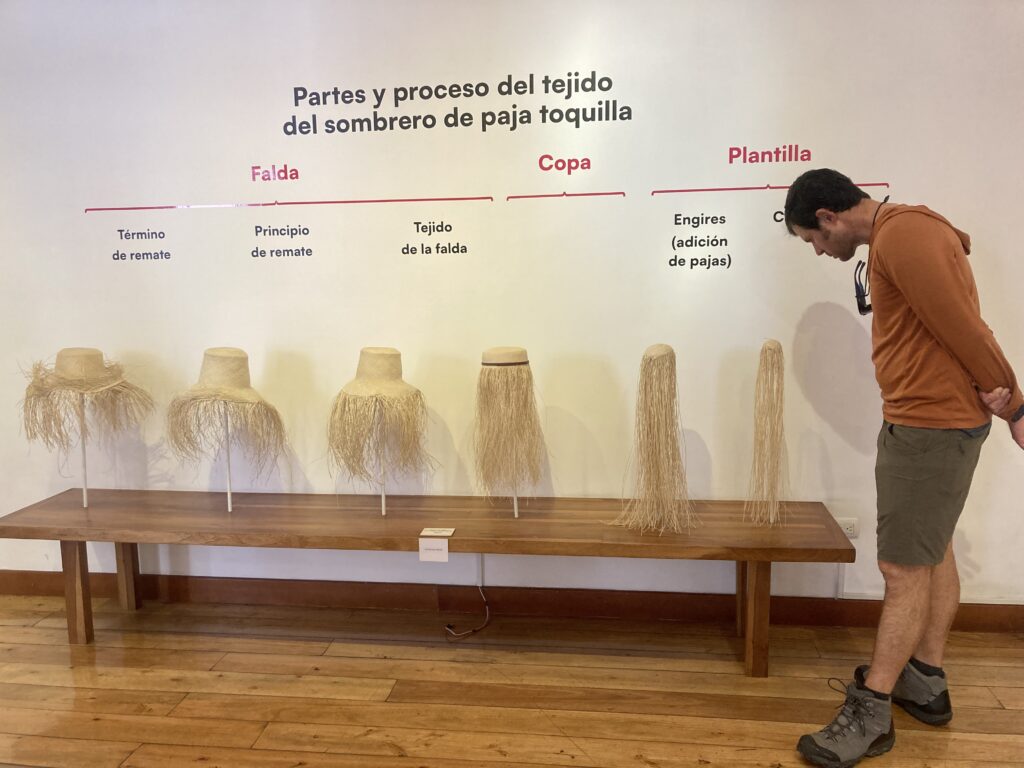
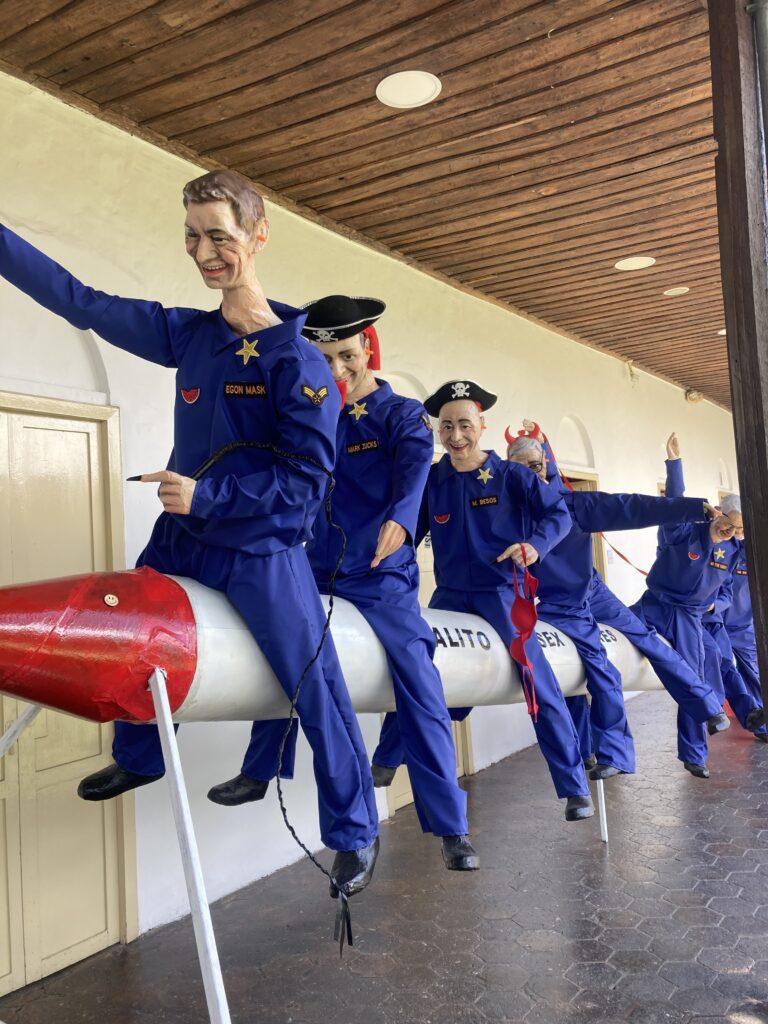
The main cathedral in Cuenca was supposed to have more ornate towers but it was determined they could not bear the weight of the original design and were just simply left unfinished. Flower market with one of the famous blue domes looming. Another Cuenca church – there were a lot of them! A colonial Cuenca building dressed for ChristmasFrom the Hat Museum you can see the famous blue domes of Cuenca in the distant center. Dustin inspects the sombrero making process at the museum – interestingly we learned the “Panama Hat” is actually from Ecuador but became popularly known as a Panama Hat after T. Roosevelt wore one while visiting the Panama canal. At the Modern Art Museum there was a display of Musk, Zuckerburg, Besos, Gates, Trump and more – flying on a rocket with the Epstein Files.
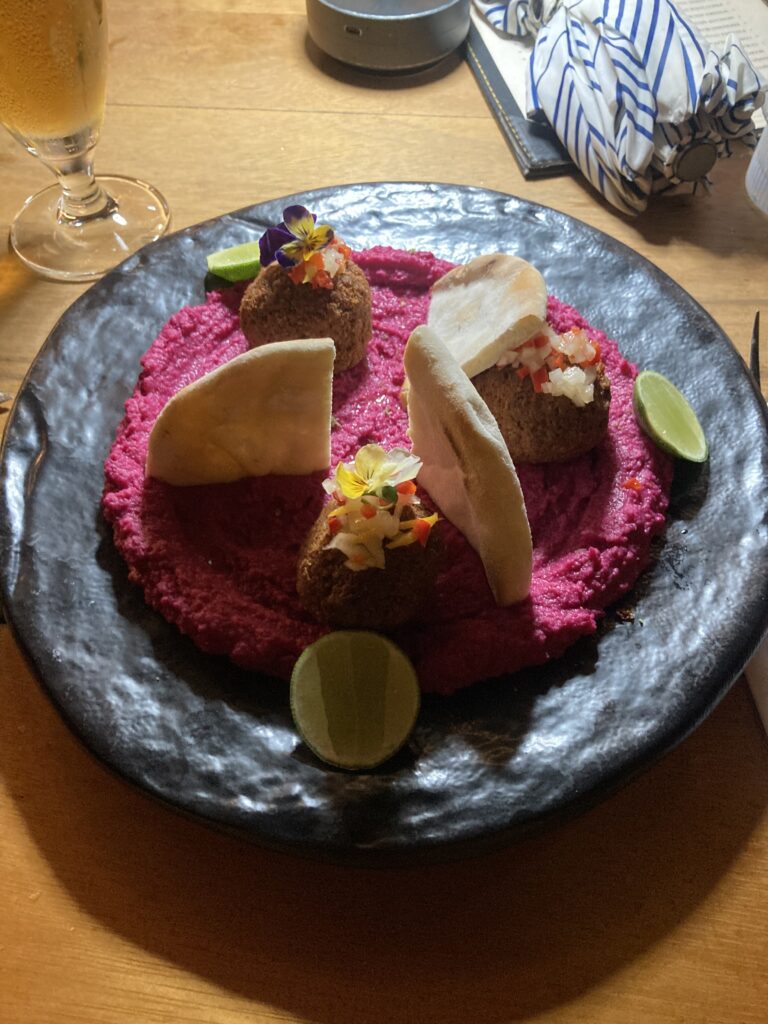
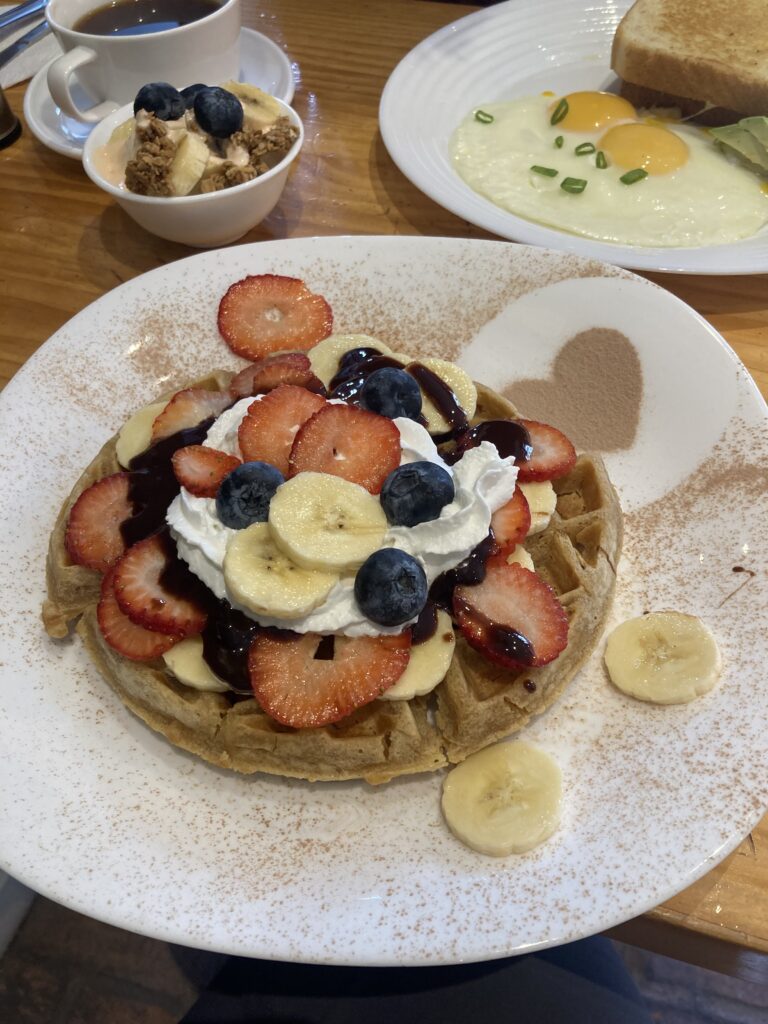
The food of Cuenca – while traveling through small towns we eat traditional Ecuadorian food so it was a treat to be in Cuenca where we could find many international options as well as fusions.
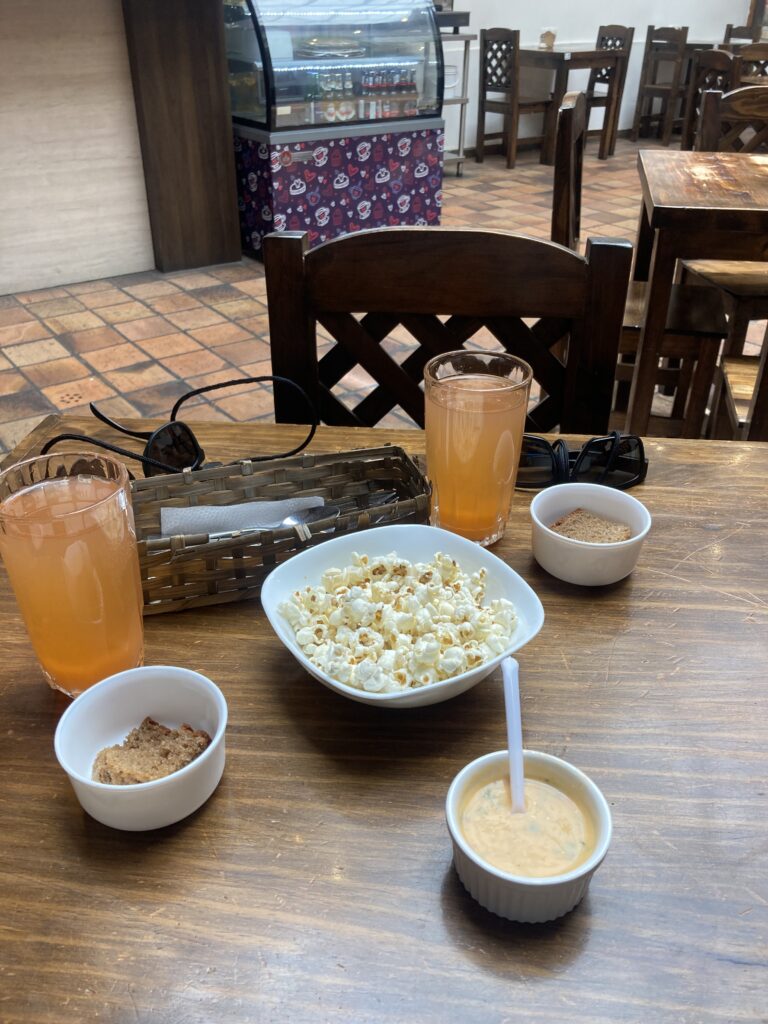
Beet hummus with falafel – rooftop dining with evening views of the city 🙂 Breakfast waffle but made with yuca, maze, & potato. Popcorn in Ecuador is like the bread basket we are accustomed to in the USA – often we see people putting popcorn into their soups like crackers
Las Cajas National Park
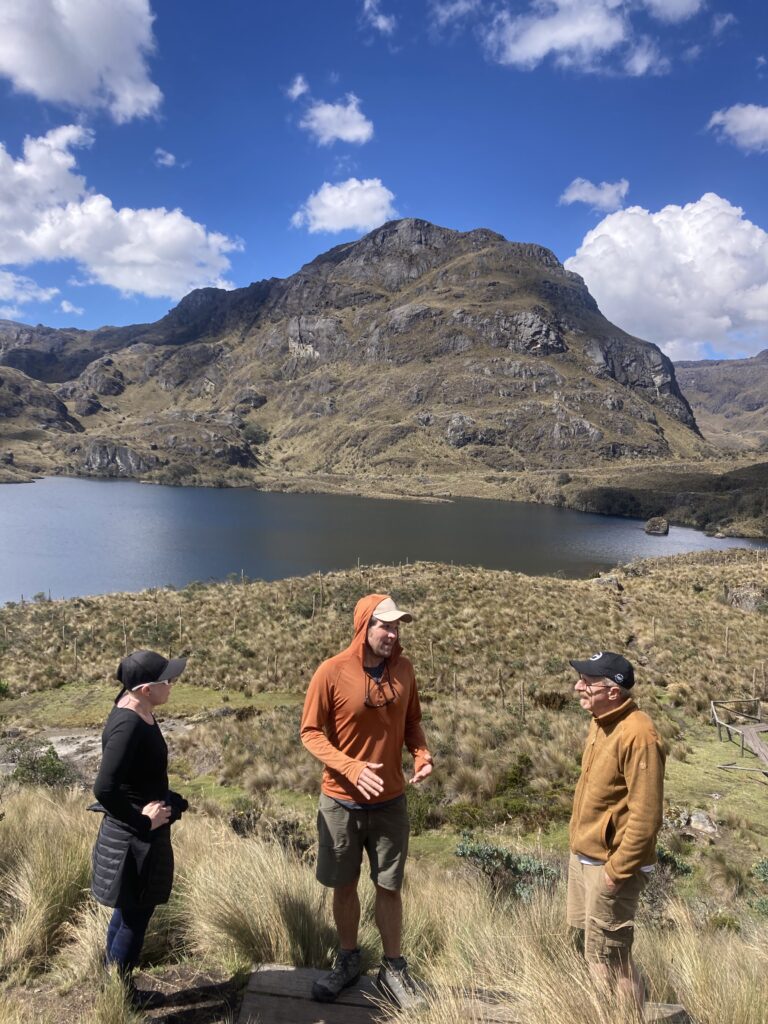
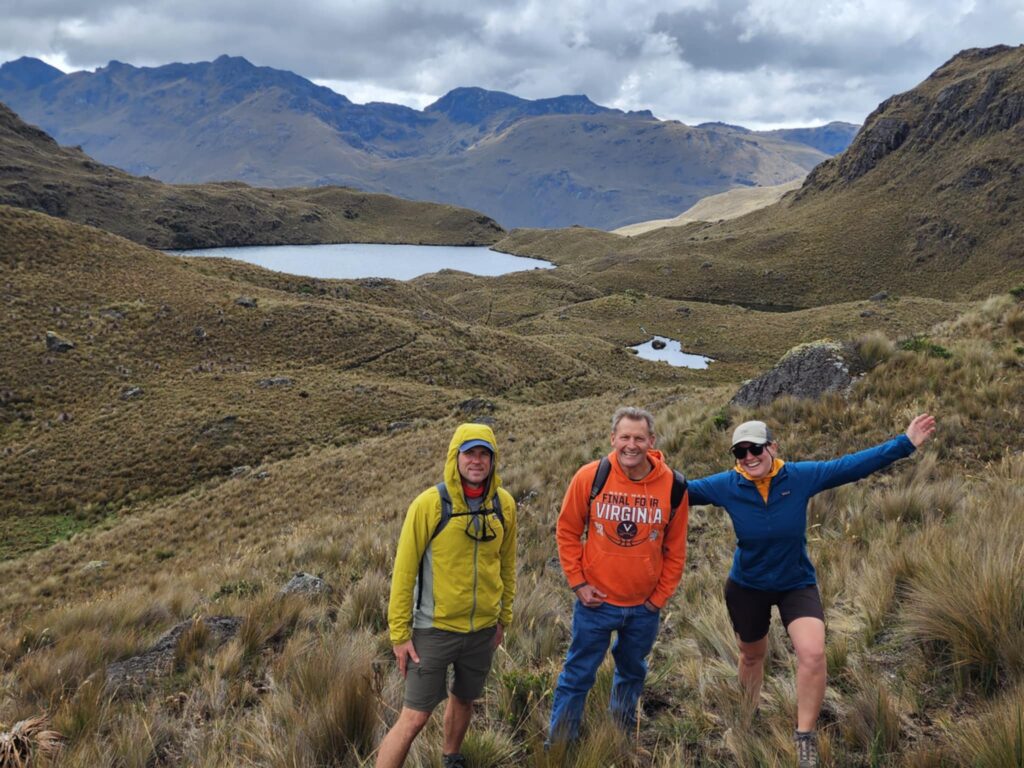
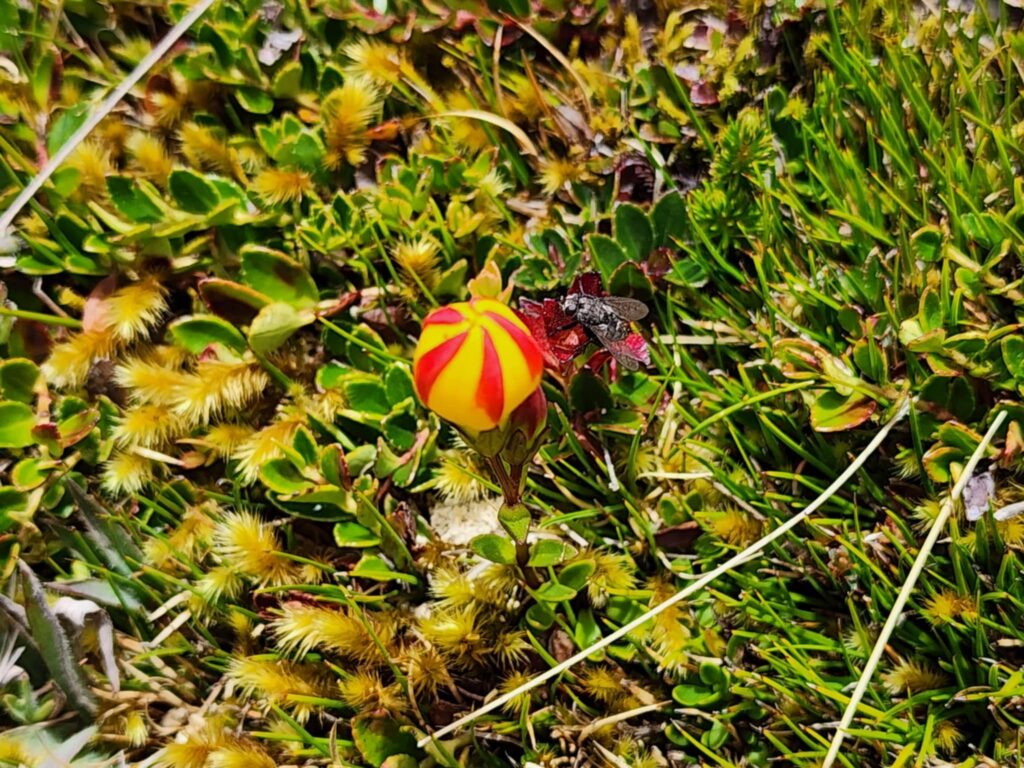
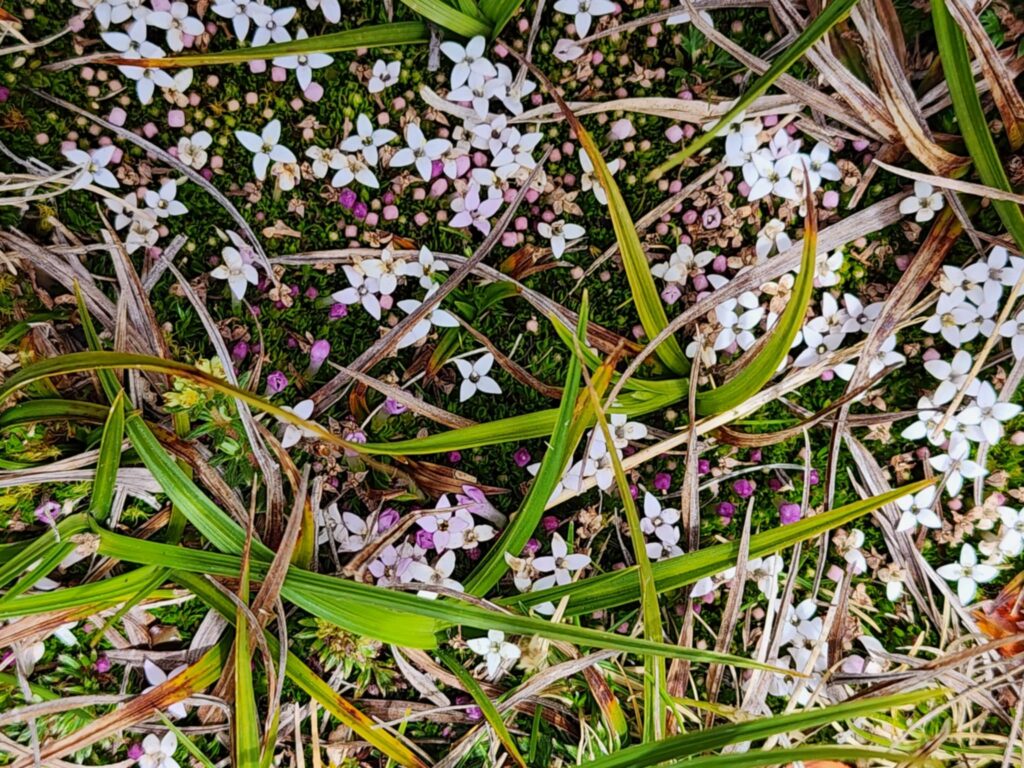
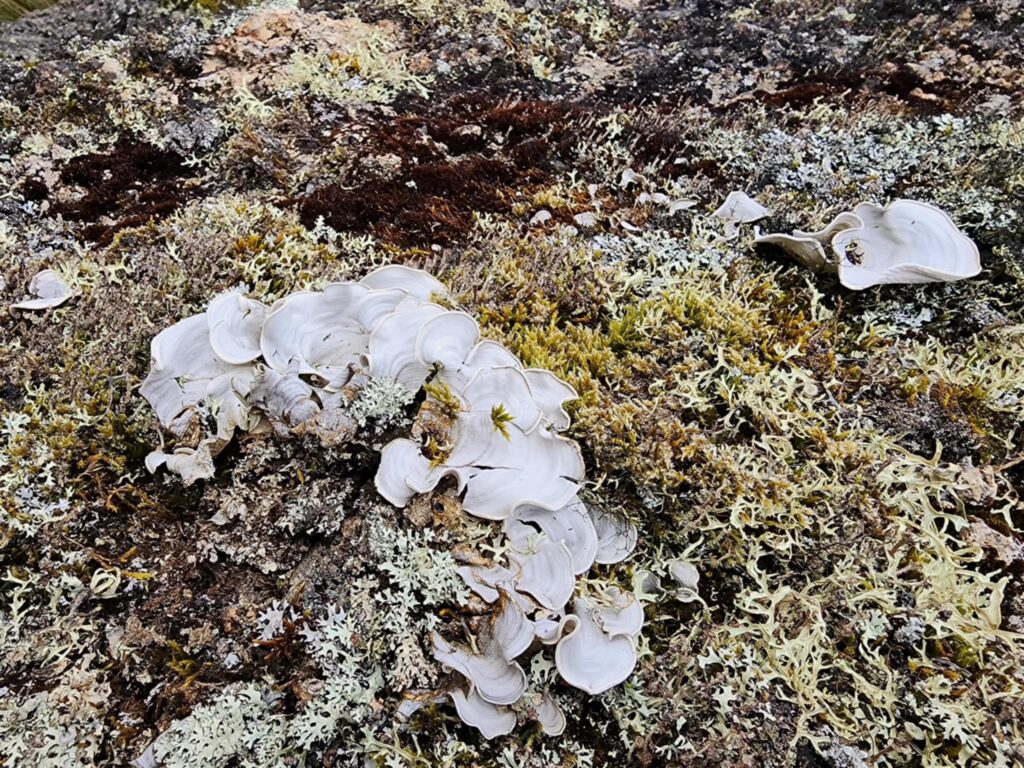
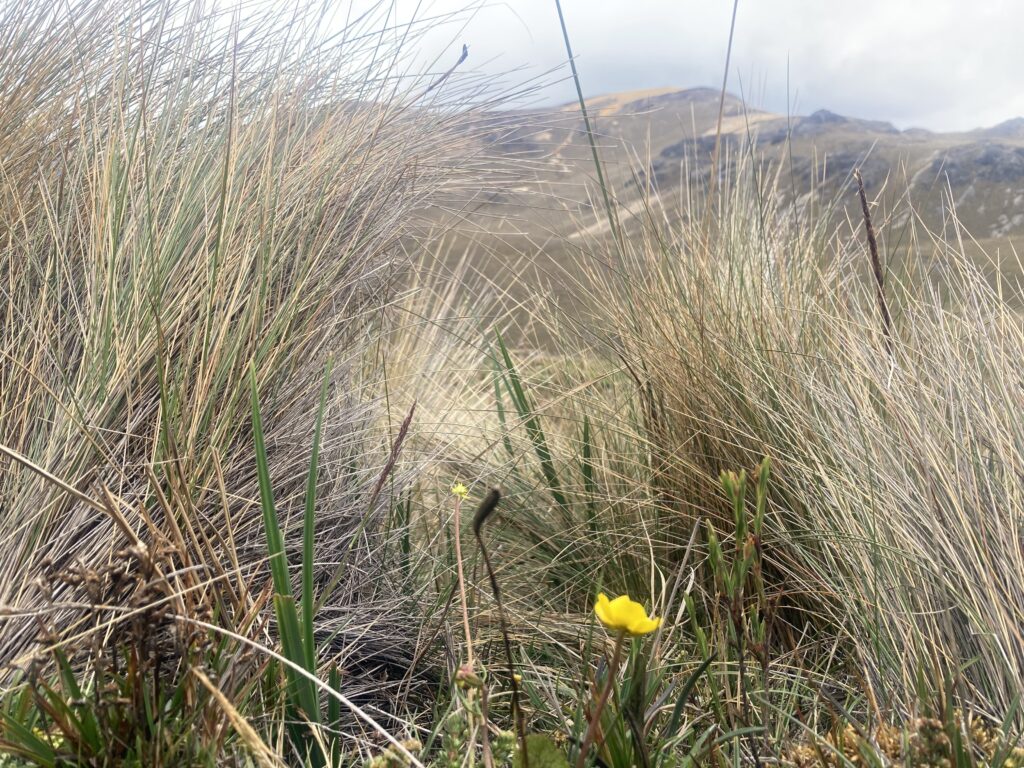
Just outside of Cuenca is the Las Cajas National Park – up quite a steep mountain. It’s likely we would never have visited if it wasn’t for our American friends meeting us in Cuenca and driving us up for hiking. Las Cajas is a paramo, a high alpine tundra above the treeline but below the snowline thereby being among the fastest evolving places on earth – it was spectacular!
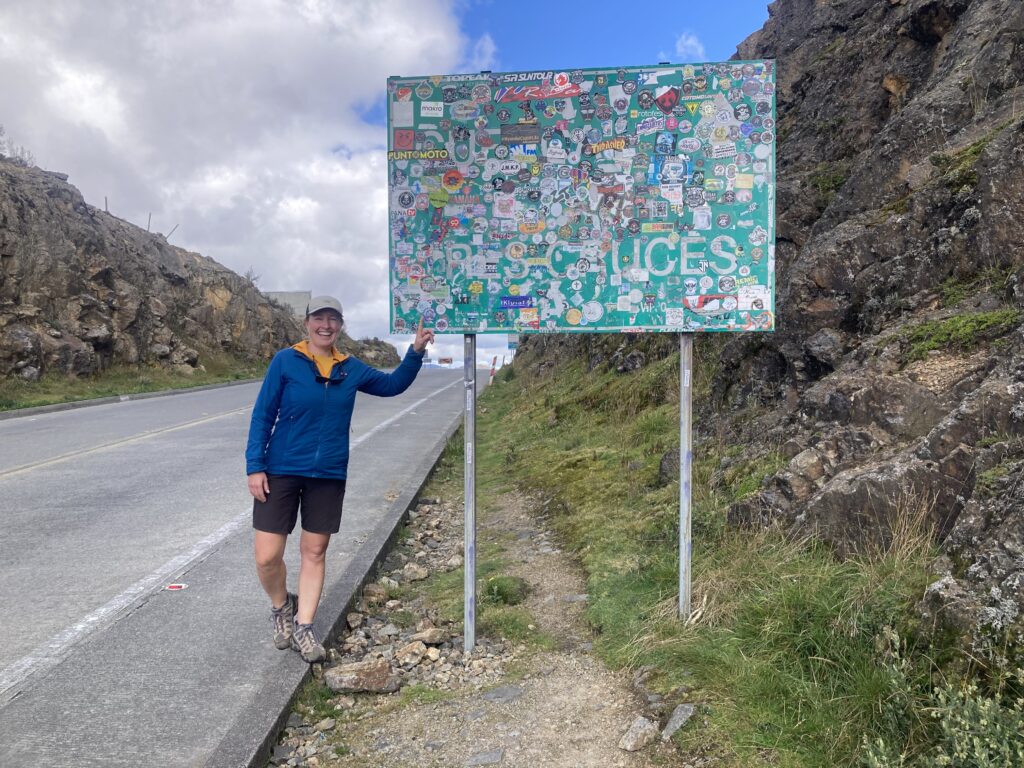
Las Cajas has 19 endemic plant species and 157 bird species, including the largest hummingbird in the world. One day we hiked from Las Cruces (elevation 13,600 feet), which is the westernmost spot of the continental divide in all of South America. Our lungs were certainly feeling the elevation yet it was so nice to get off the bikes for a while and enjoy other outdoor pursuits.
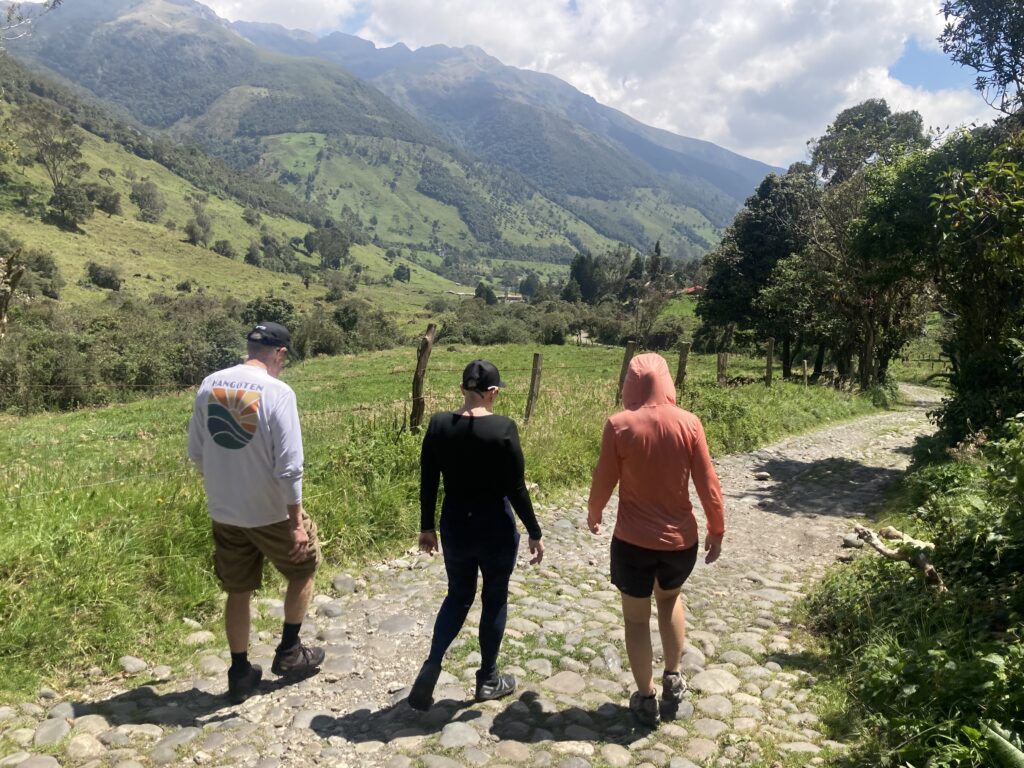
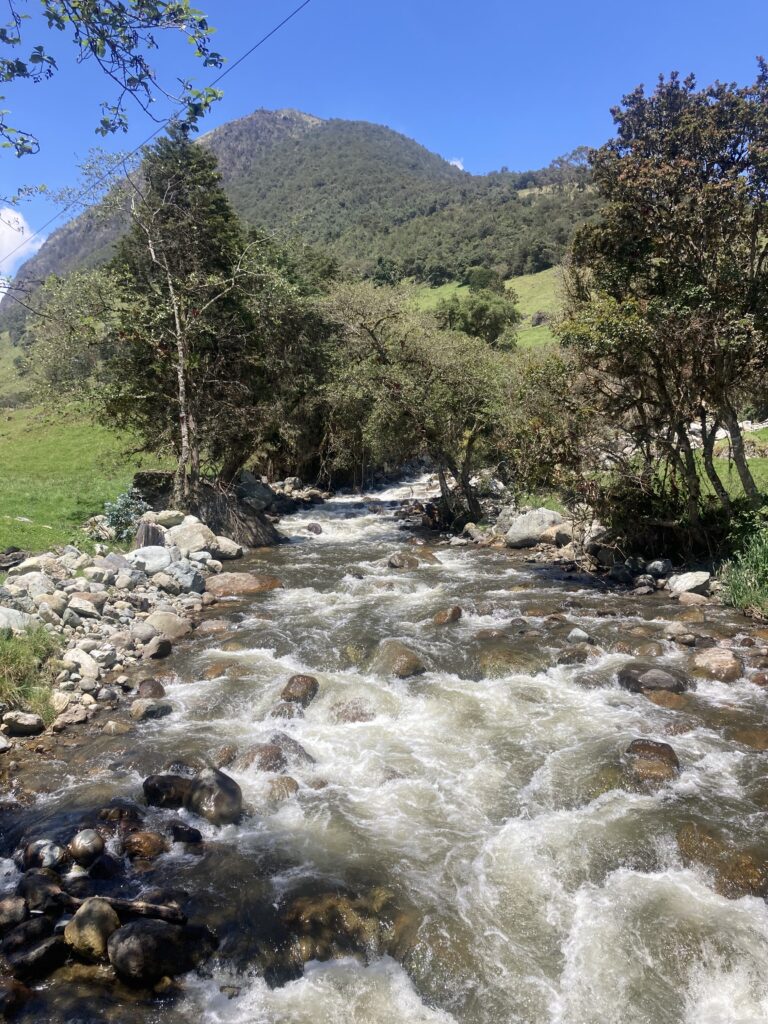
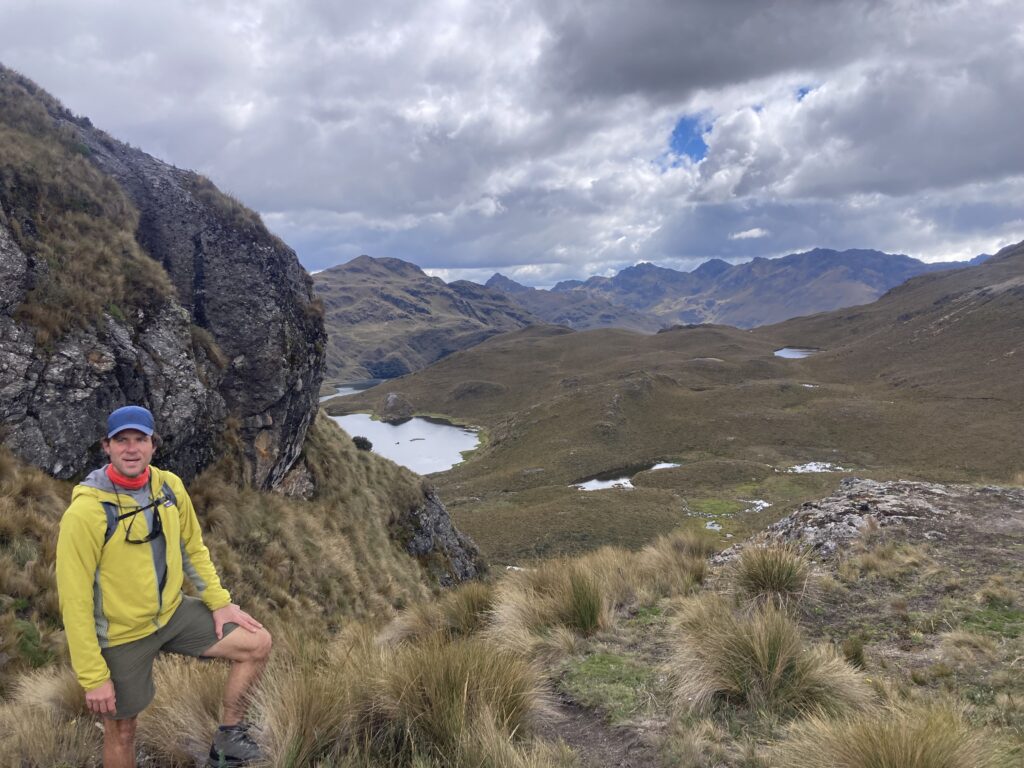
Patricia walks with Linda & Cliff – at the lower altitudes of Las Cajas National Park there were trees, as we drove to the higher altitudes the trees disappeared. One of the rivers flowing down from Las Cajas National Park – Cuenca gets 60% of its drinking water from Las Cajas. Interestingly the word Cuenca means river basin and is the confluence of 4 rivers. Dustin talks with Linda & Cliff during our hike around one of the lakes at Las Cajas National Park – here we were at higher altitude and it was essentially treeless.Tres Cruces sign, unfortunately obliterated by traveler stickers, is at 13,600 feet elevation. This is the highest we have been on the entire trip so far.At the top of Tres Cruses – we hiked down into the valley & our lungs certainly felt the return trip up. Most of the paramo, high altitude mountains, in Las Cajas National Park was these grasses adapted to the harsh environment.
Pedaling South from Cuenca
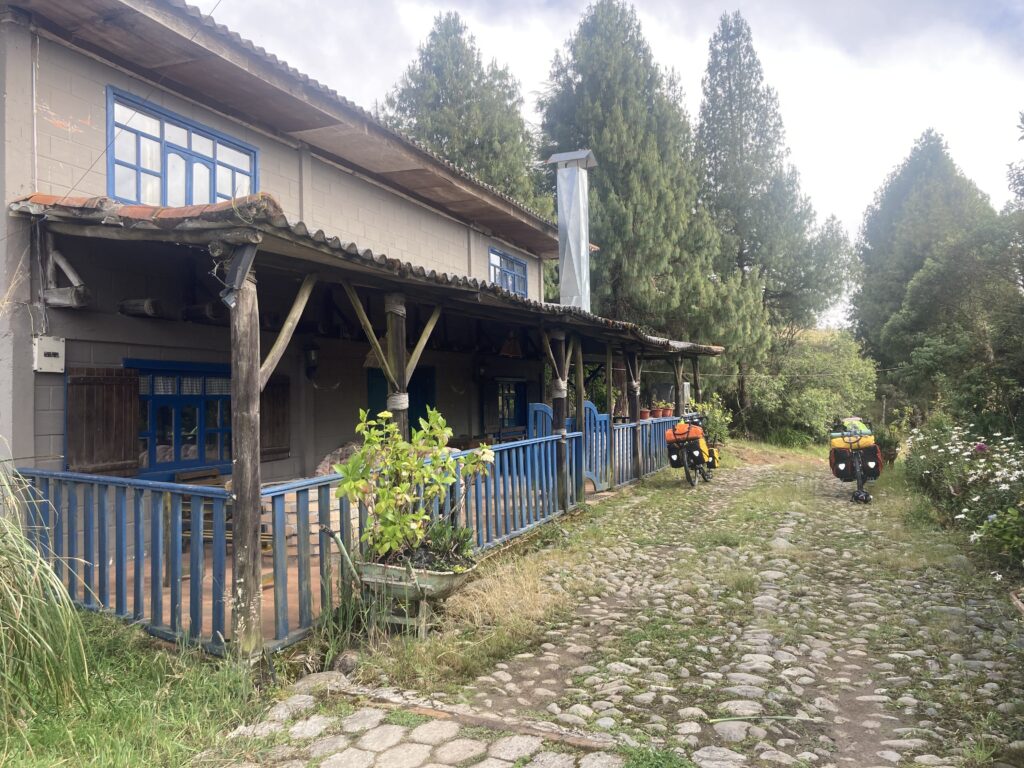
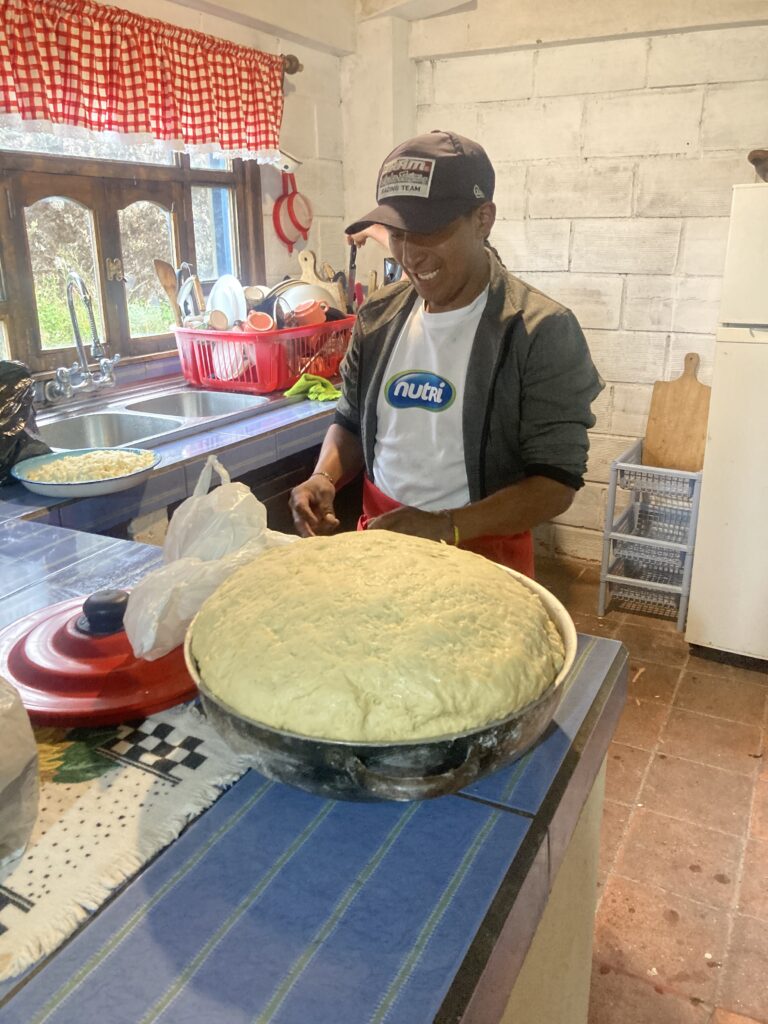
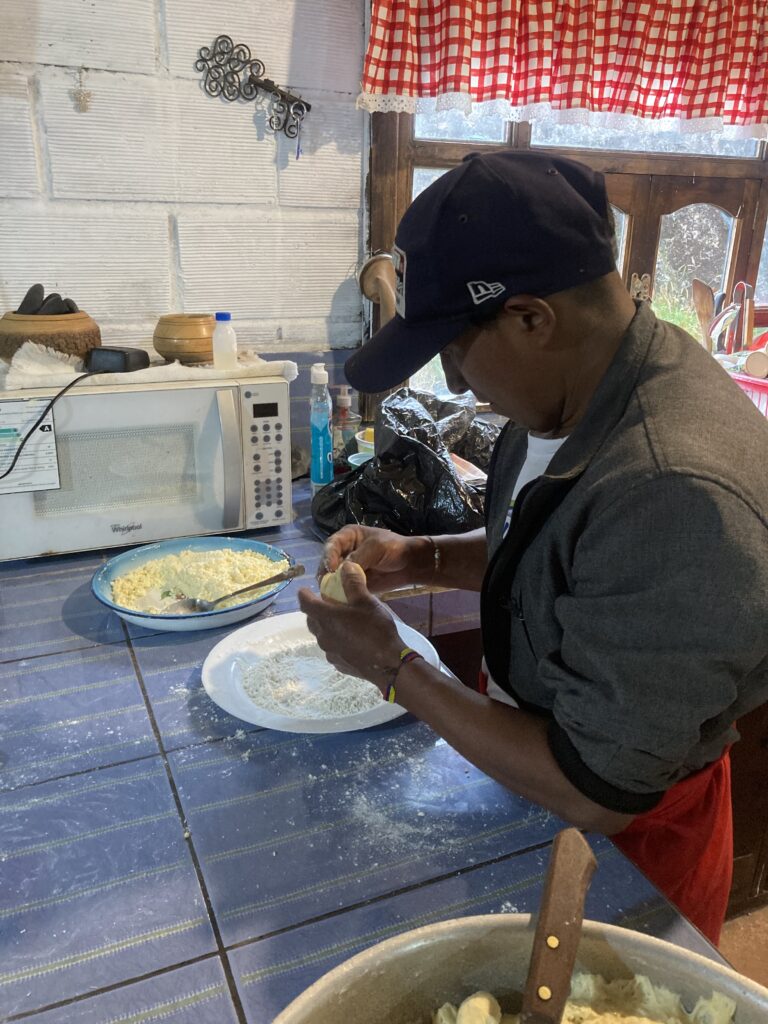
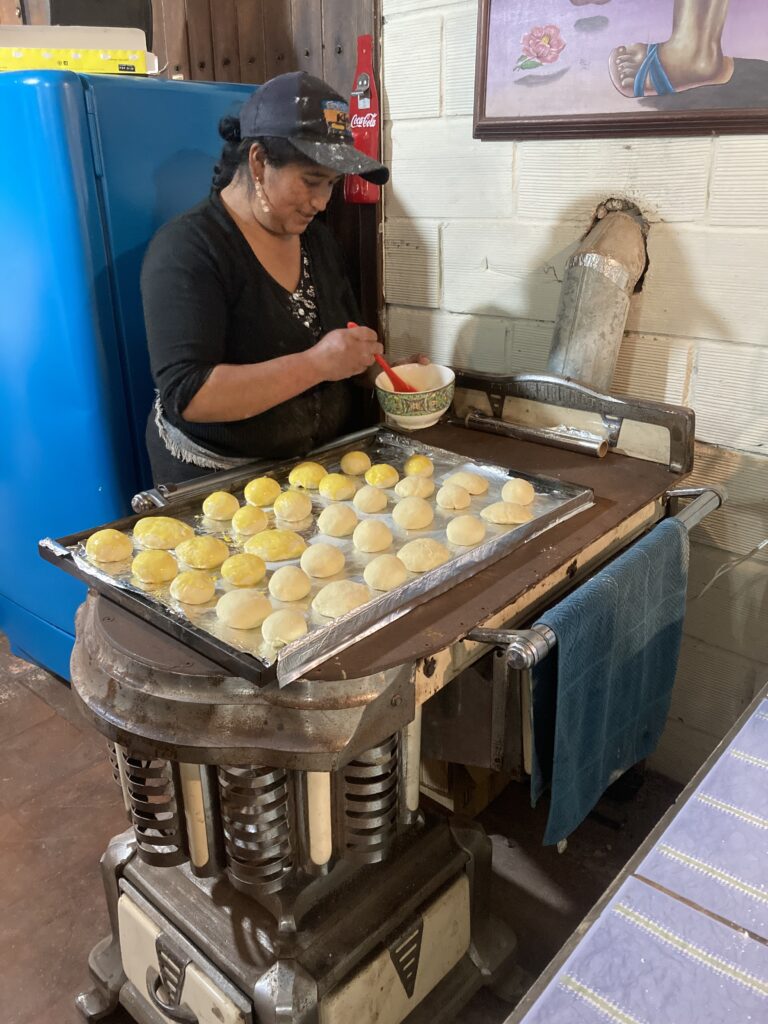
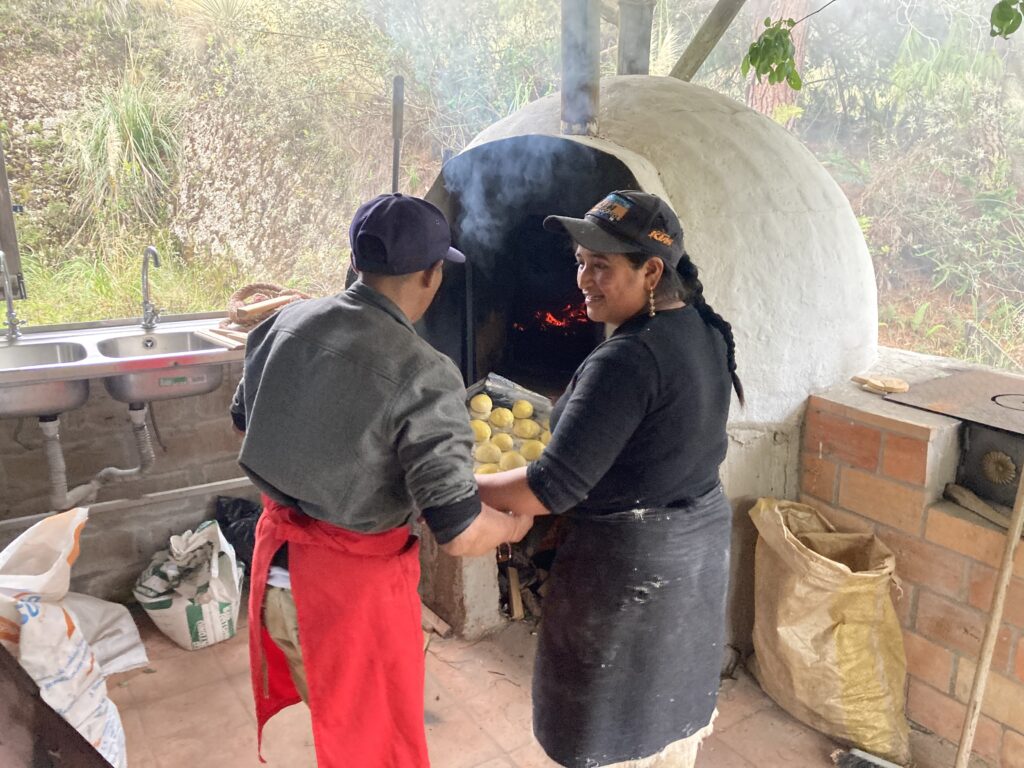
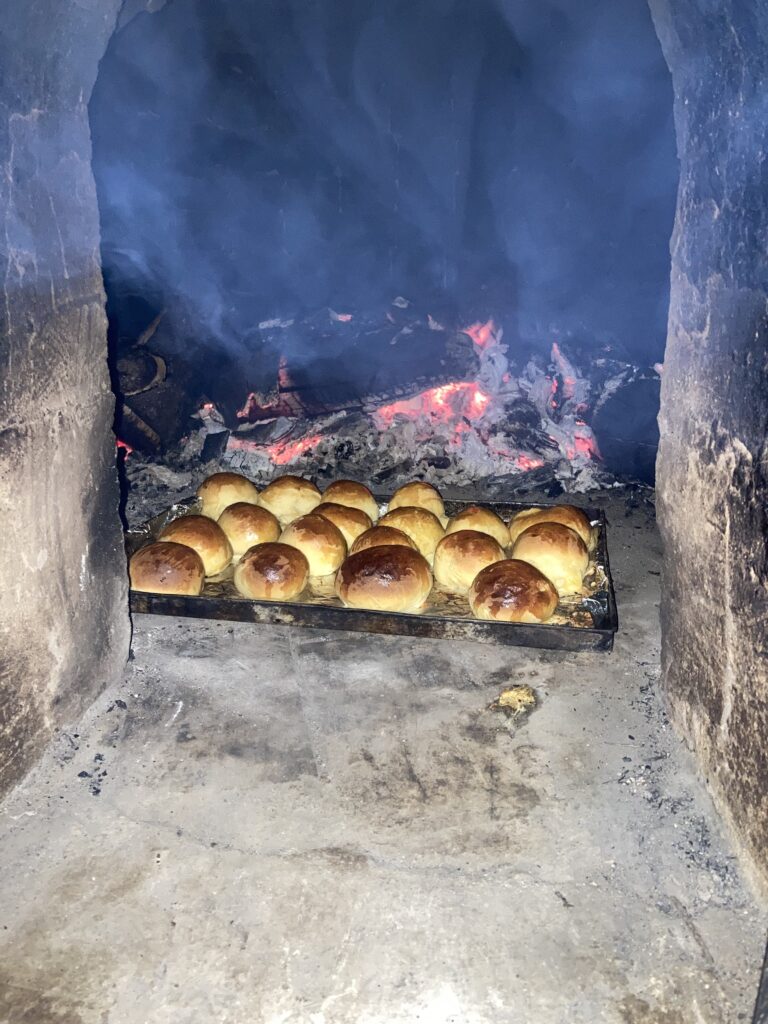
When we were mapping the route out of Cuenca it was filled with epic Andes climbing and after a week off the bikes we weren’t confident we could do huge climbing days (like 7,000 feet!) to make it between towns. So Patricia found us a hacienda to stay at in the middle of nowhere and contacted the owner via Facebook. When we arrived it was about 10 minutes of confusion with our limited Spanish and the local family that worked at the hacienda speaking no English. Just like most things in Latin America – it just all worked out and we had a lovey stay where we even learned how to make pan queso in a wood fired oven.
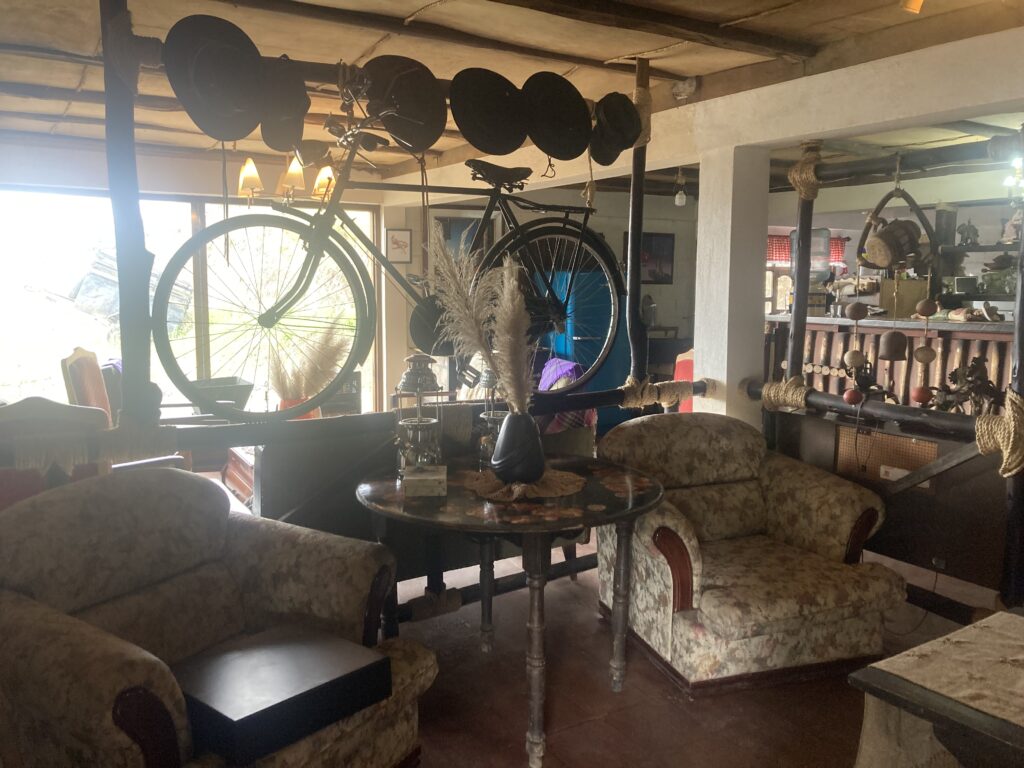
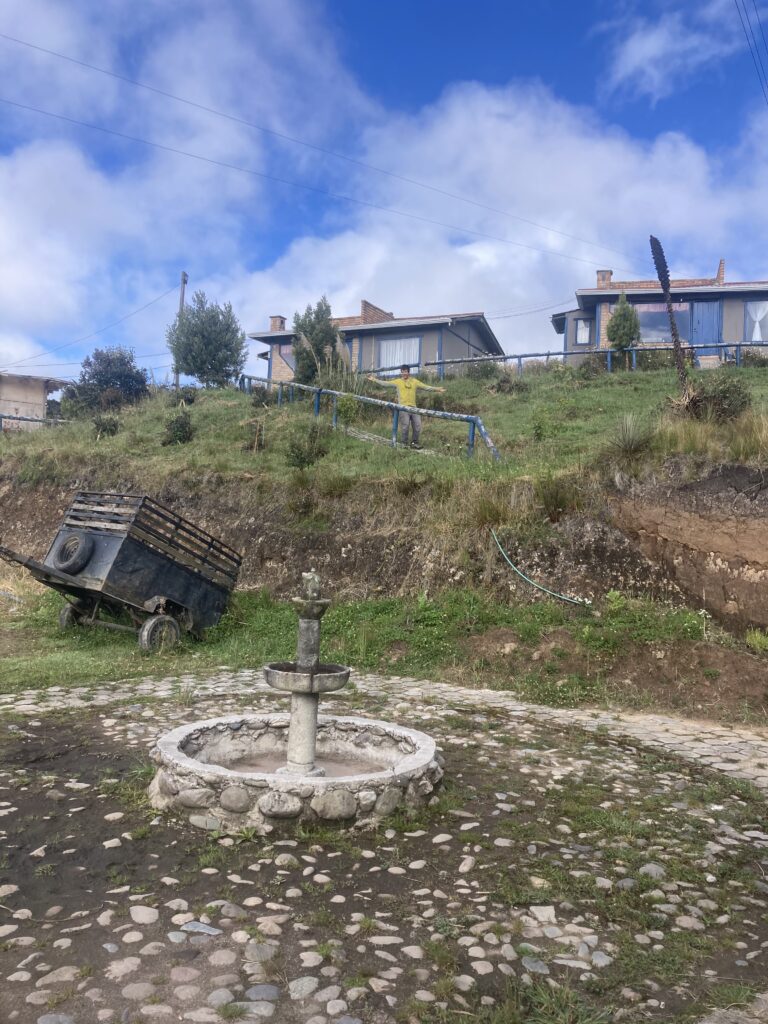
The main hacienda buildingInside the main building of the hacienda – there were antiques including this Raleigh bicycleOur casita up the hillAt our hacienda stay we learned to make a special pan queso – it starts with a huge bowl of doughSmall pieces of dough are cut off and then filled with cheese to make a ballThe dough balls are coated with butter/margarine/oil?The cheese filled dough was then put into a wood-fired oven – this husband & wife team, along with their two children, manage the hacienda for the owner – although they spoke no English we could feel their kindness in their smiles. Pan queso is ready with a delicious smokey flavor
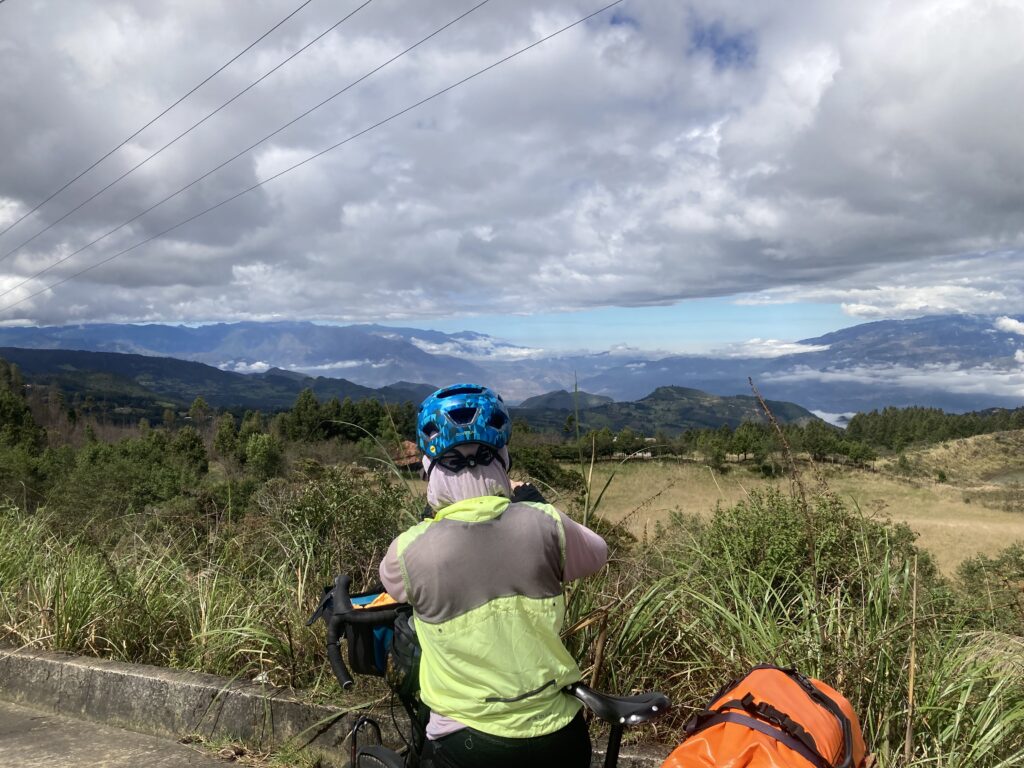
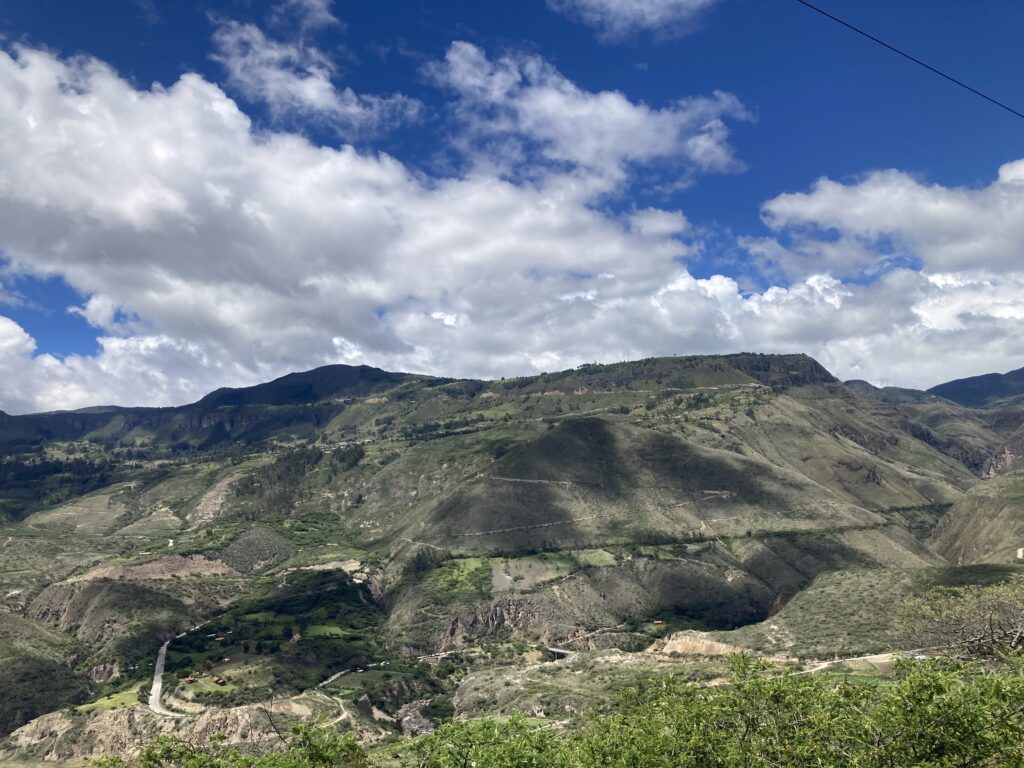
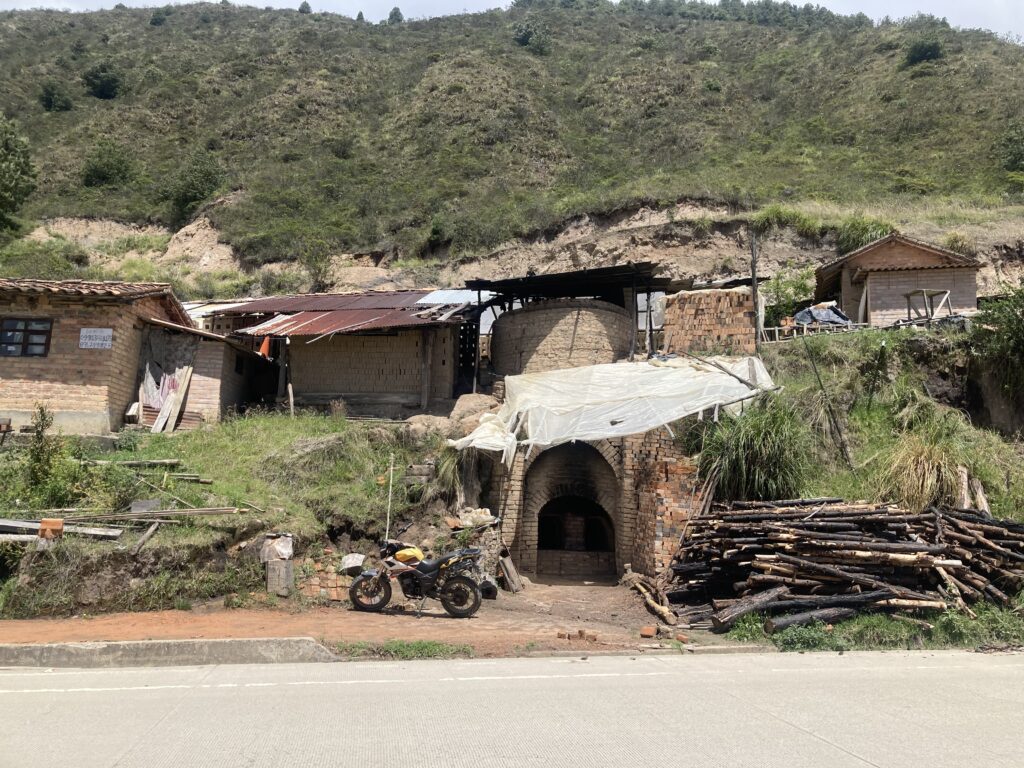
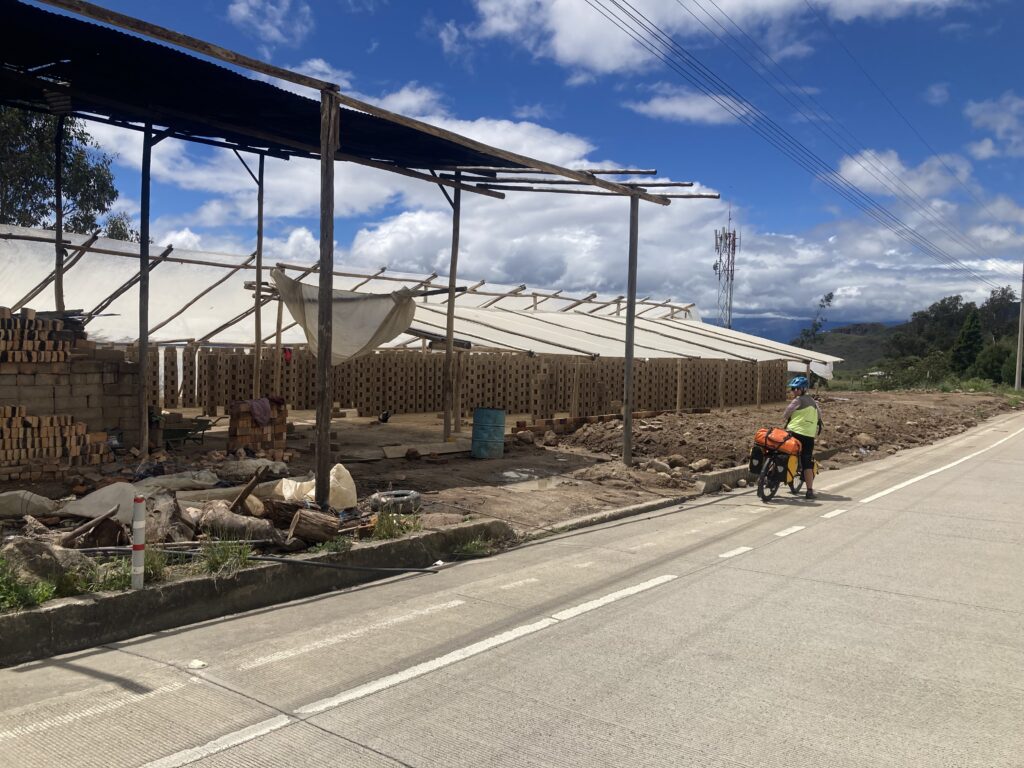
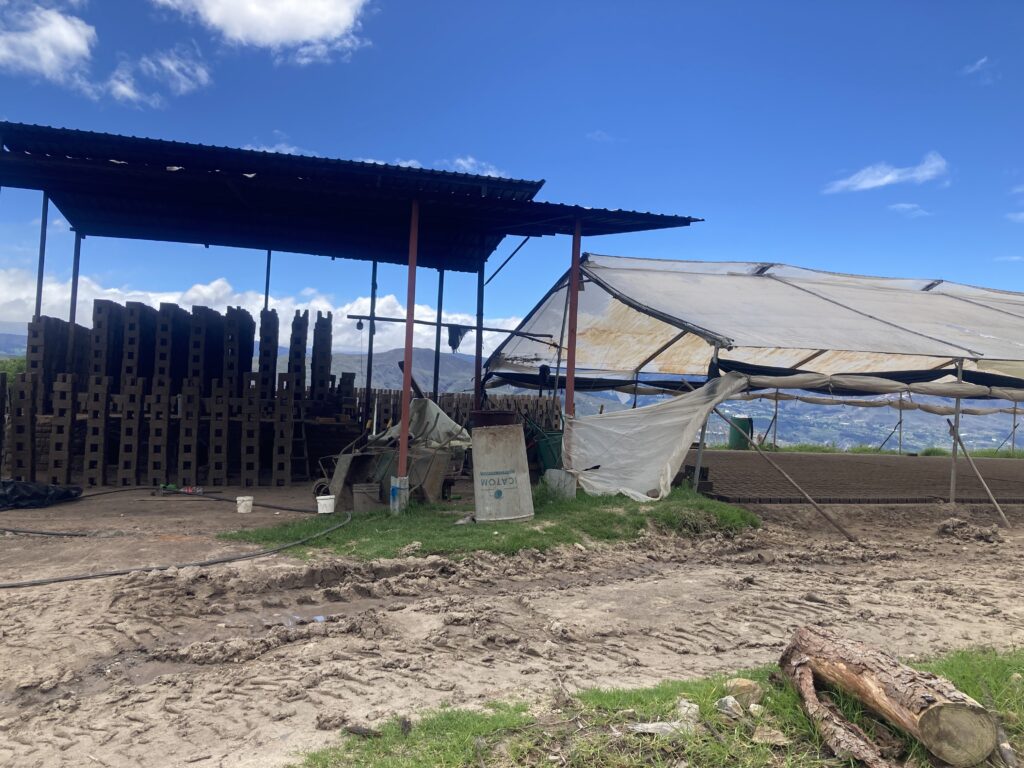
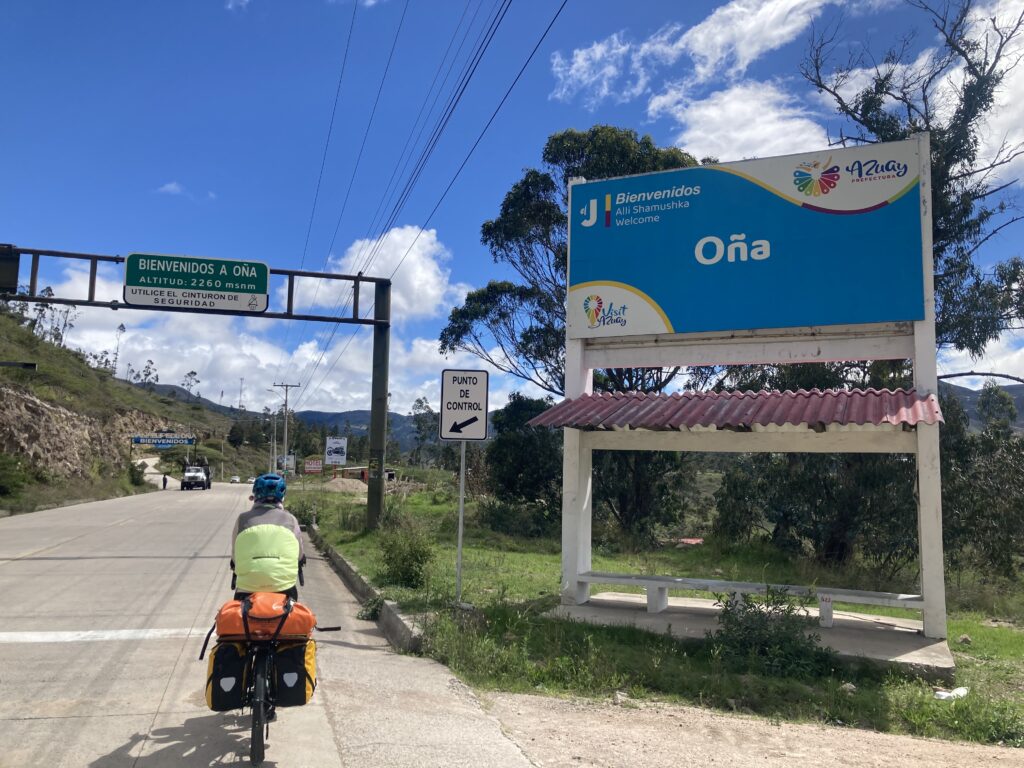
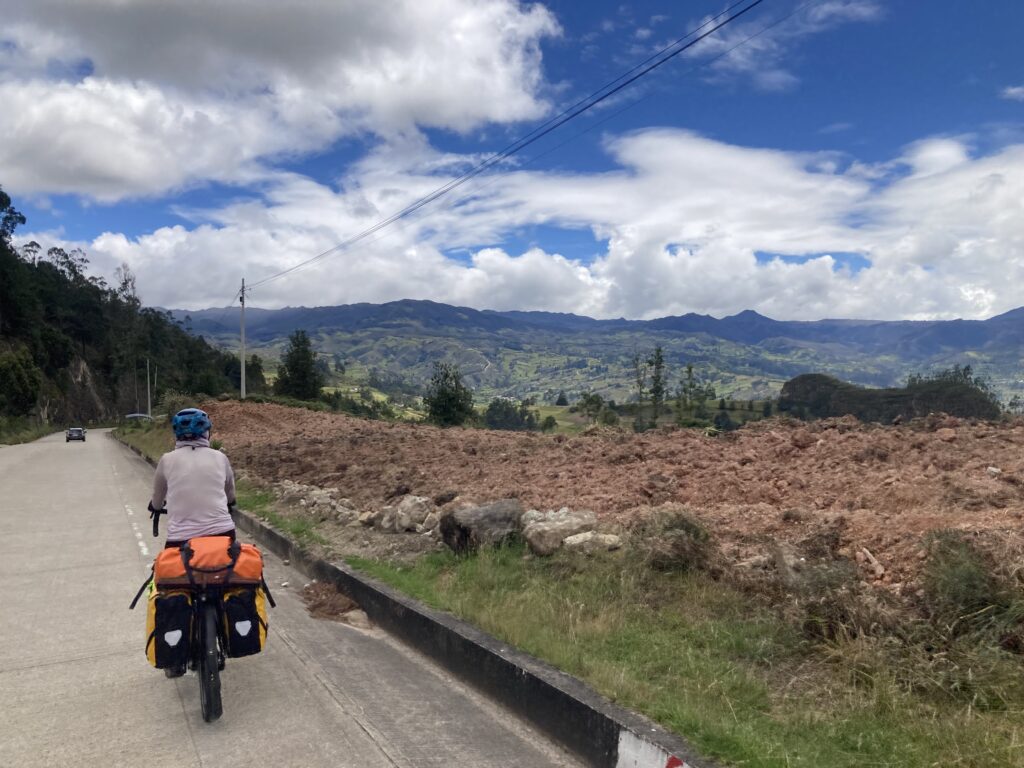
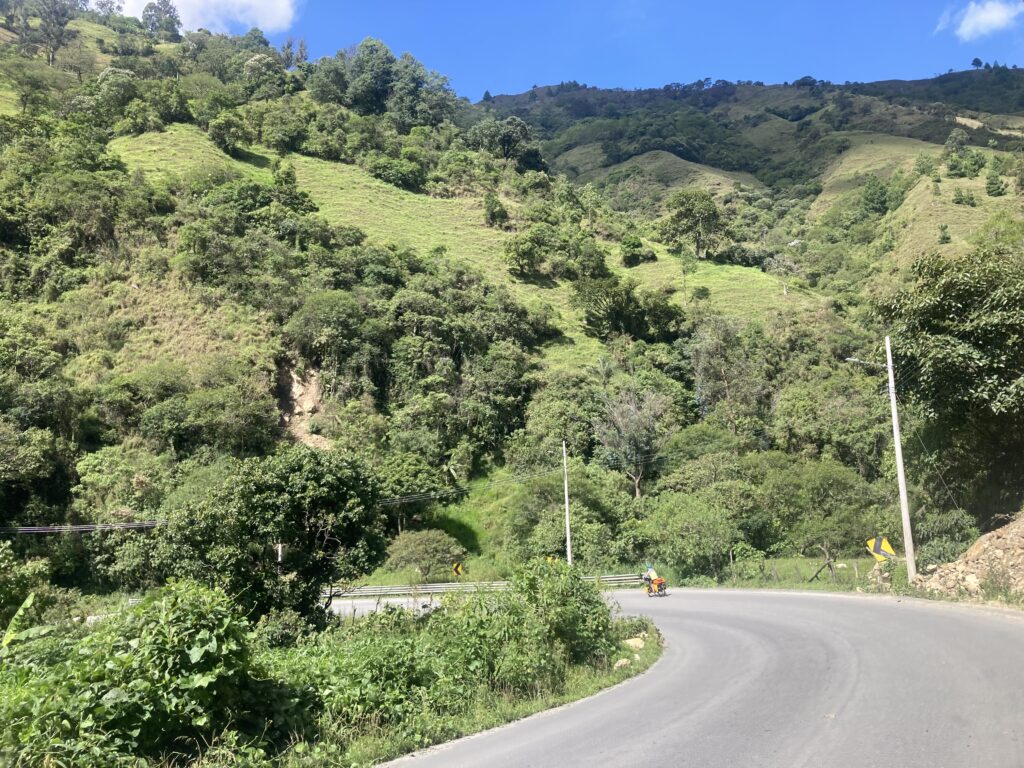
Between our hacienda stay and Ona, the next town with a hotel, we had glorious sunny weather and a mostly downhill day. On part of the epic downhill we observed many brick making operations in addition to the always spectacular Andes Mountains.
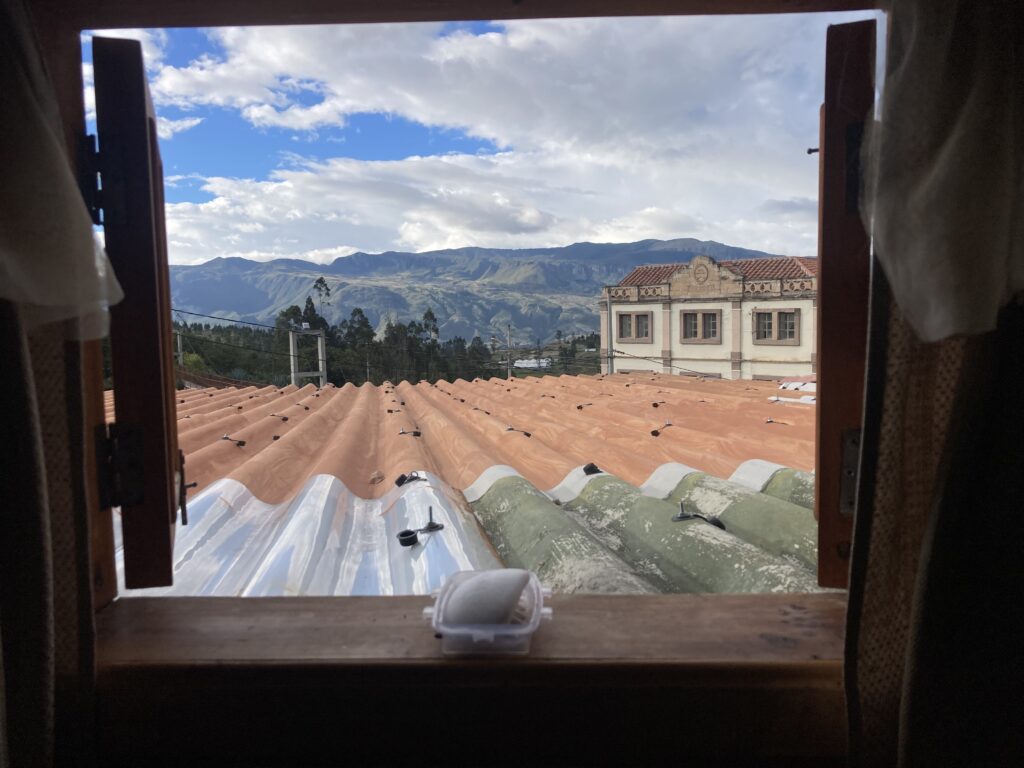
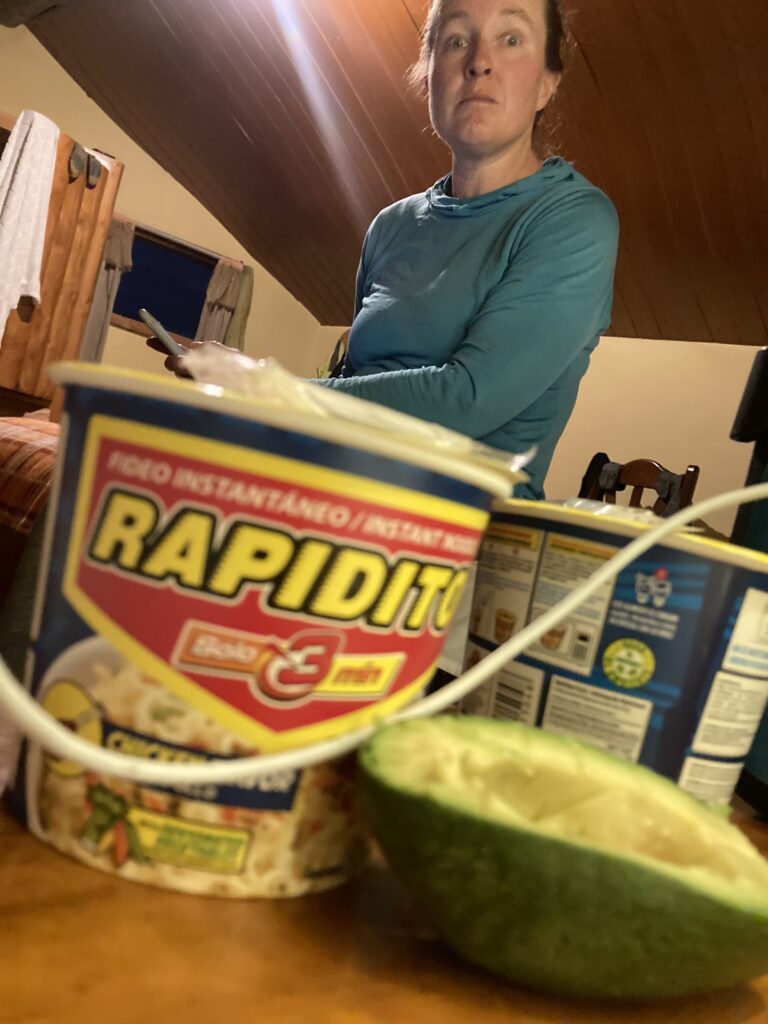
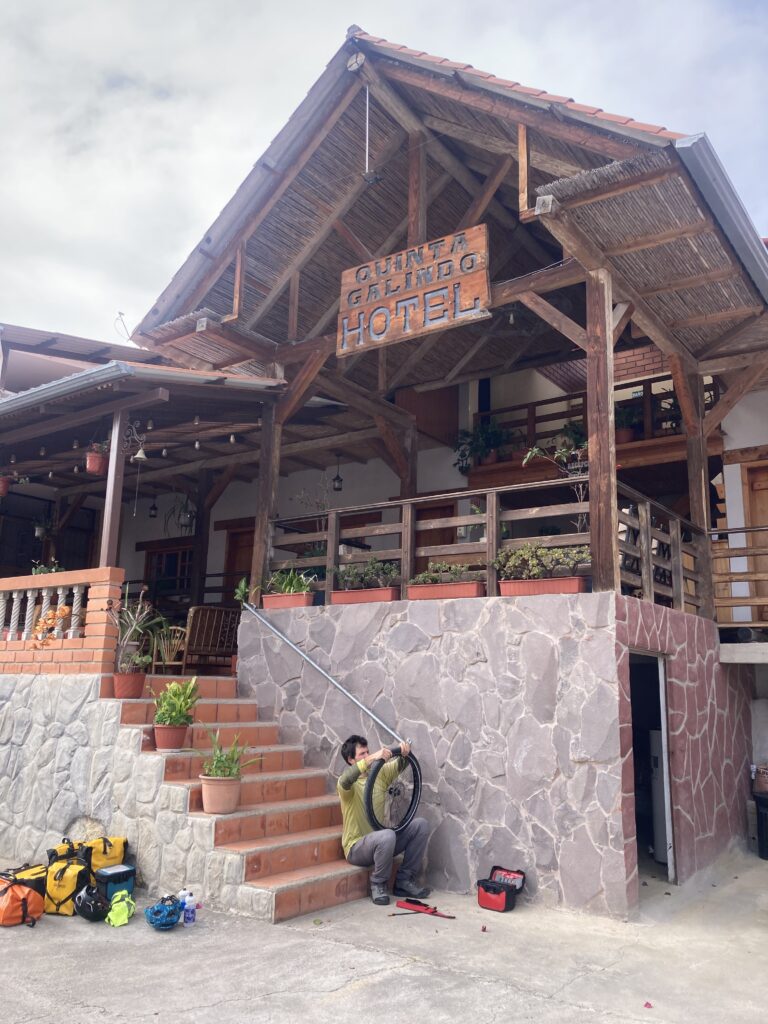
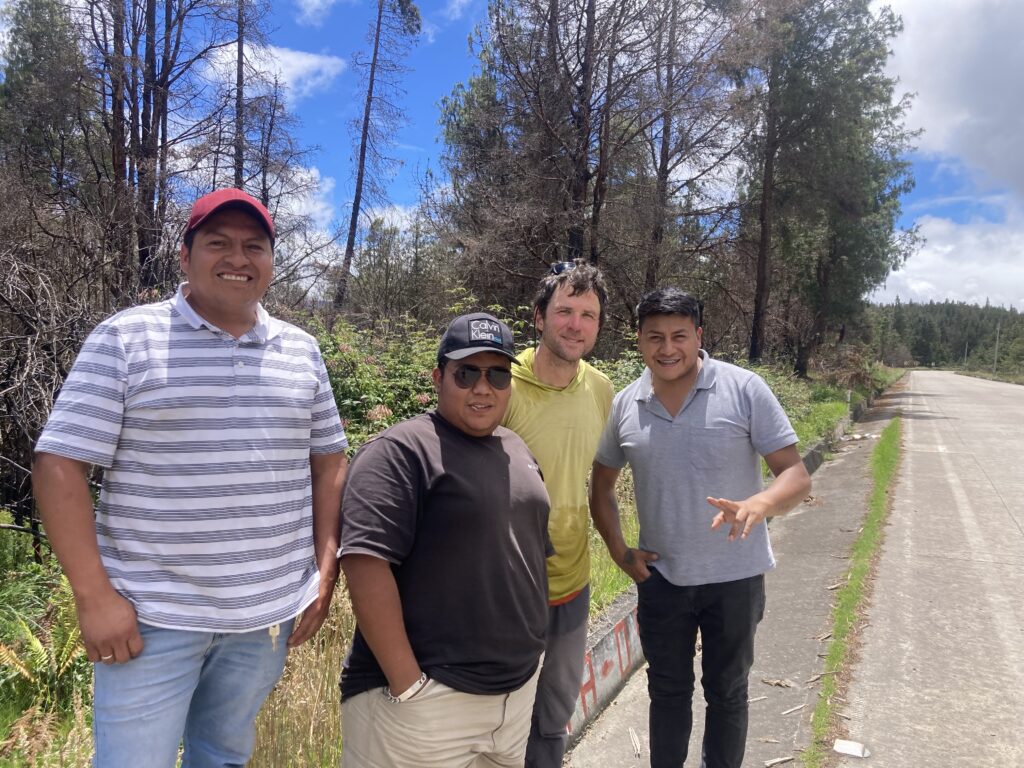
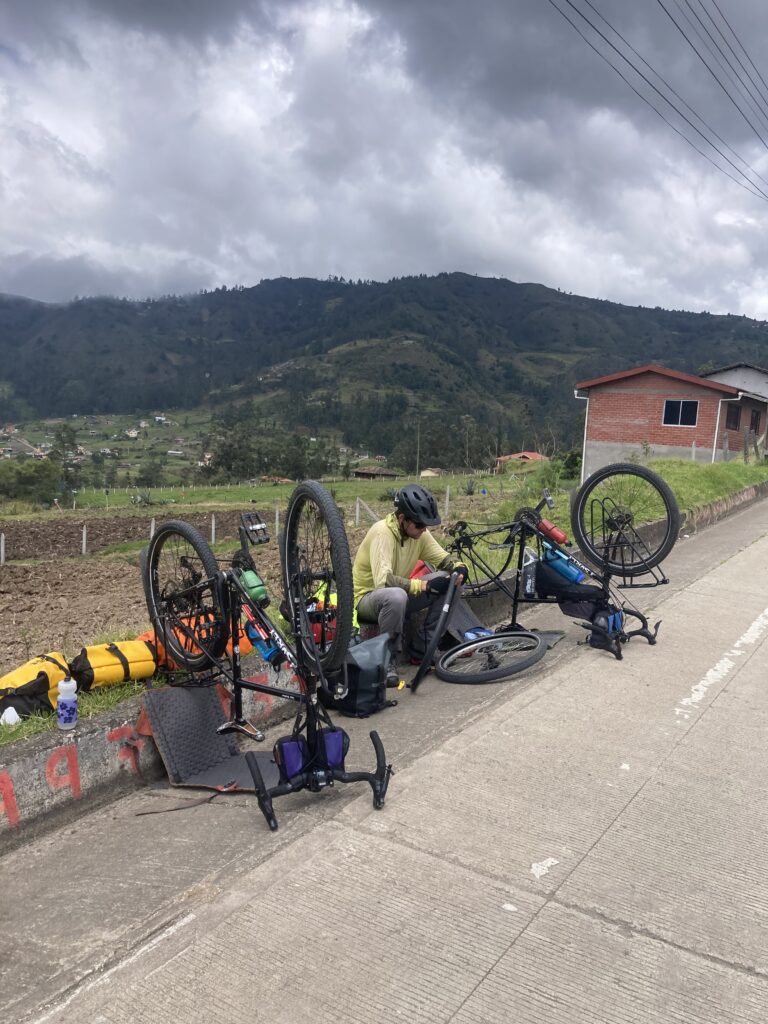
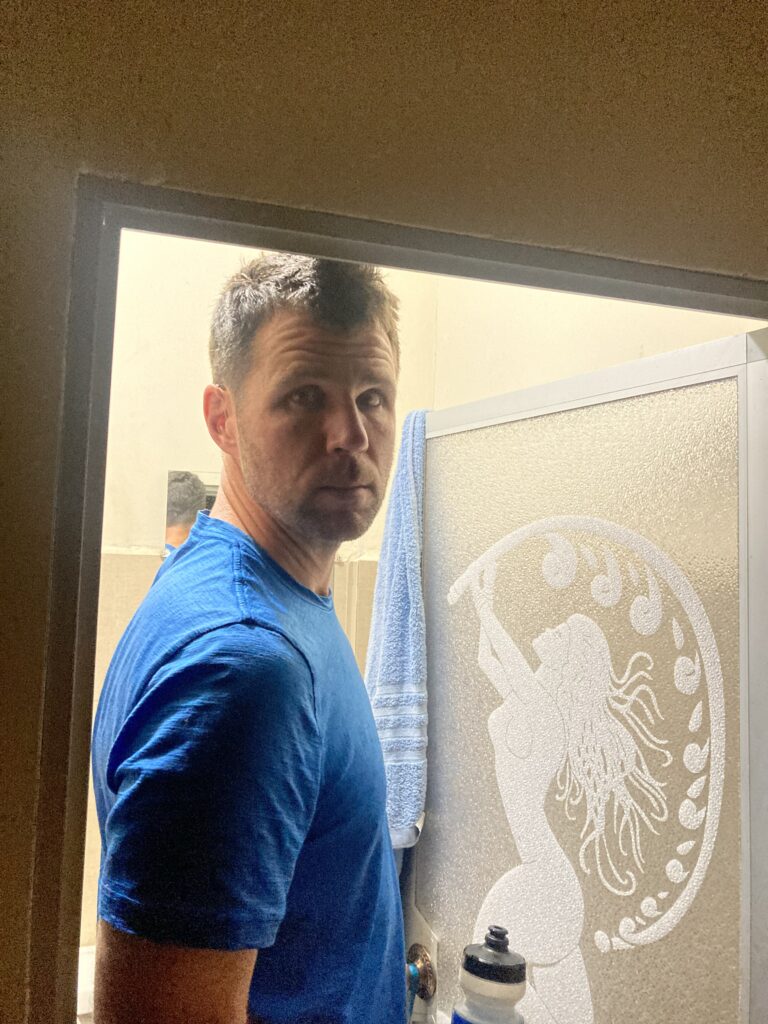
Picture of taking a picture – climbing in the Andes south of Cuenca on our way to Ona. View from a break after climbing up – the road we came from can be seen in the lower left of this photo. One of many brick making facilities we observed – here is a brick oven to make bricks. Patricia stops to see the covered bricks drying (and to let her forearms rest from pulling the brakes on this 18km downhill)More bricks drying – on the right is one layer of bricks laying on the ground to dryView from our hotel window of the mountains we climbed to get to Ona (and our soap dish drying after showers)We were hungry later in the evening so we had “second dinner” of noodle cups after our first restaurant dinner 🙂 In the morning before leaving the hotel Dustin fixed our first flat (of 3) for the day – well technically this flat was from the day before. The hotel in Ona was really lovely built by the owner himself. Rolling downhill out of Ona looking to the mountains we have to climb over to get to our next stop. We had a tough 13.5 km climb so when we saw these truckers taking a break at the top of the pass we decided to join them and rest/rehydrate for a while. They were very curious about our trip – hopefully our diplomacy helps all future cyclists on the Panamerican Highway 🙂 On our way into Saraguro we each had a flat rear tire at the SAME time – this has never happened before! Dustin’s was a “wire-worm” from steel belting on truck tires & Patricia’s was a nail.
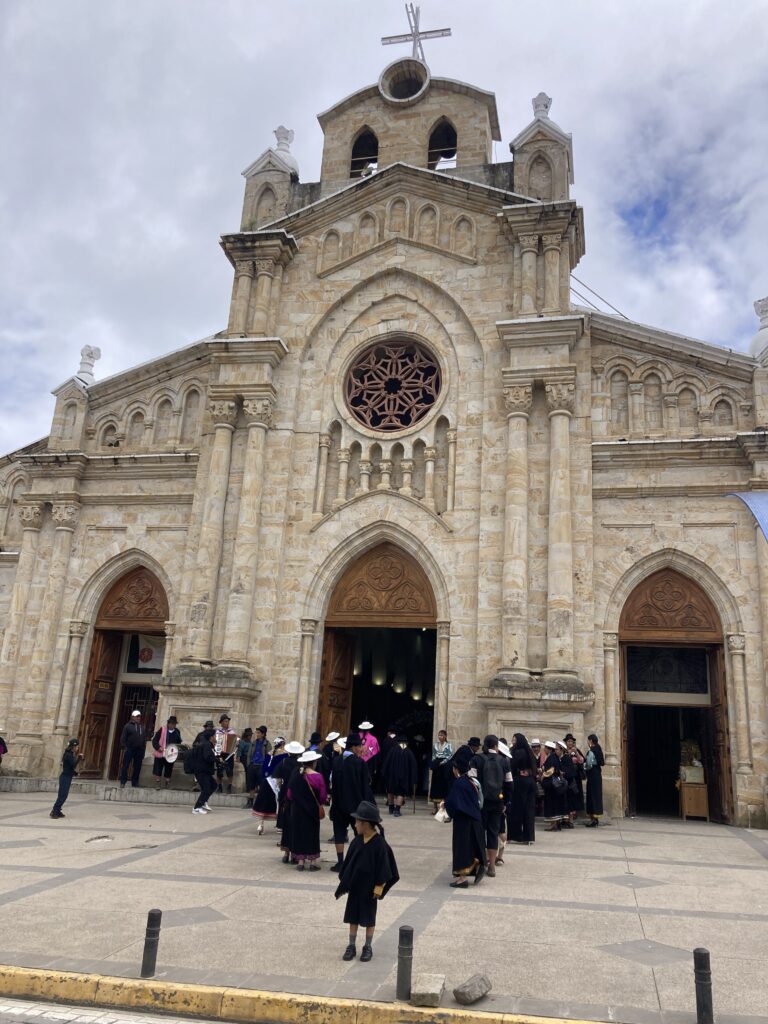
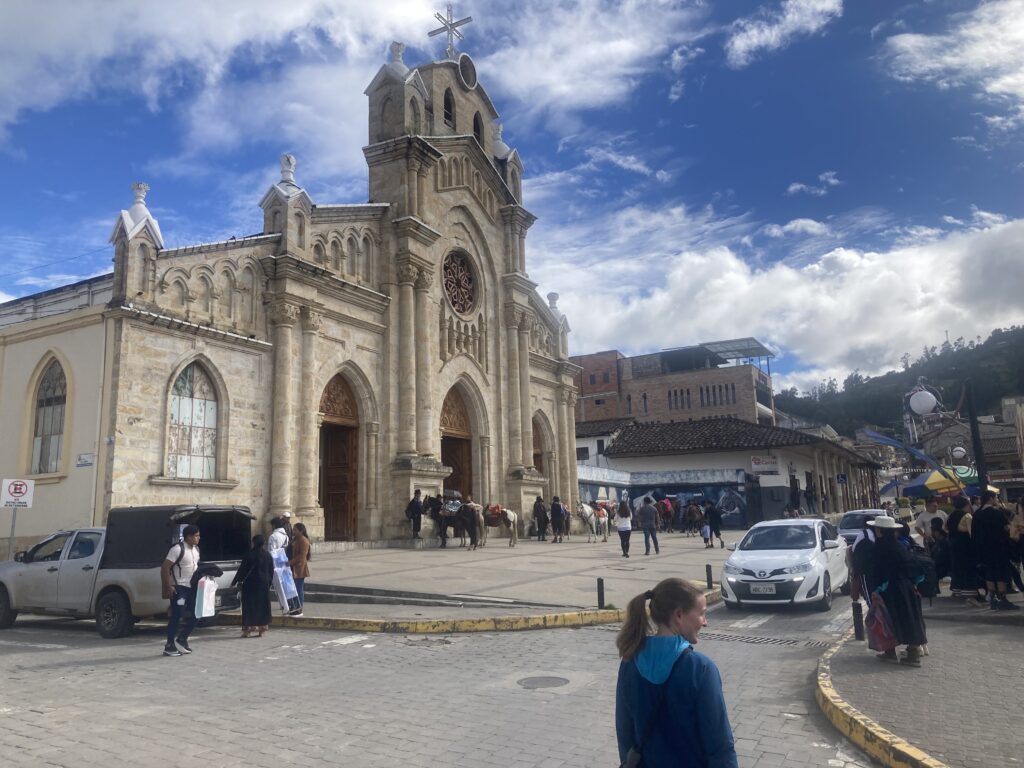
We climbed almost 10,000 feet in the first three days out of Cuenca so when we arrived in Saraguro we decided to relax and take an extra day. Saraguro is an interesting small town with mostly indigenous Saraguro people from which the town gets it’s name. Most people, including children & men, wore long back braids along with traditional dress – long black skirts for women & ponchos for men.
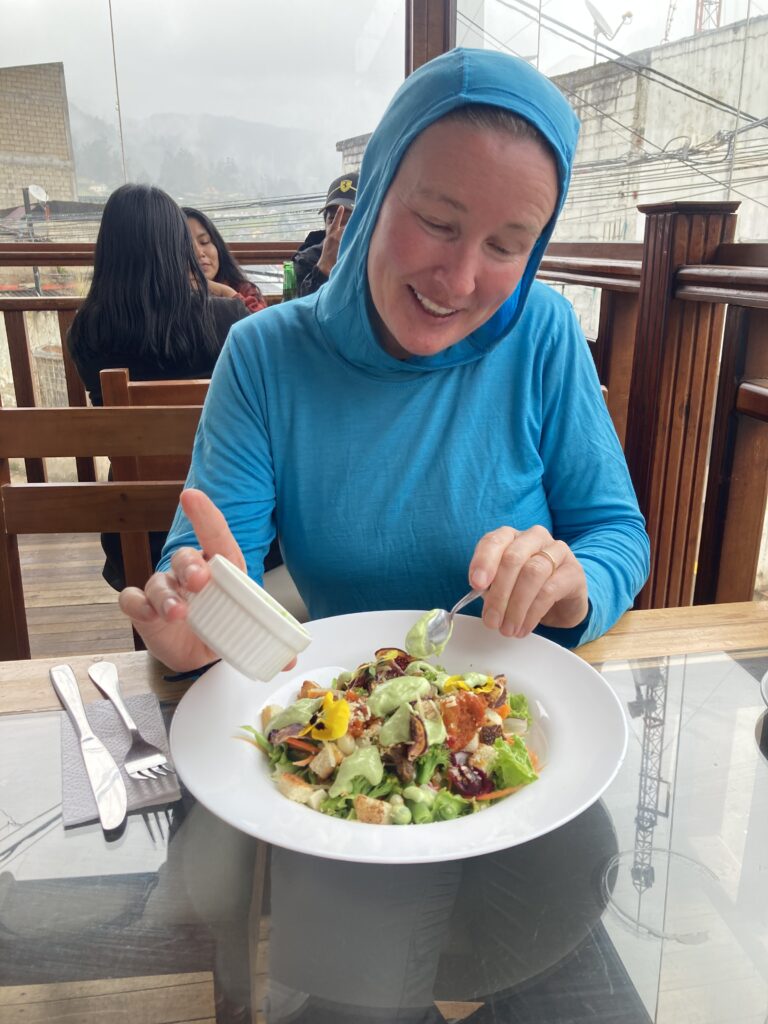
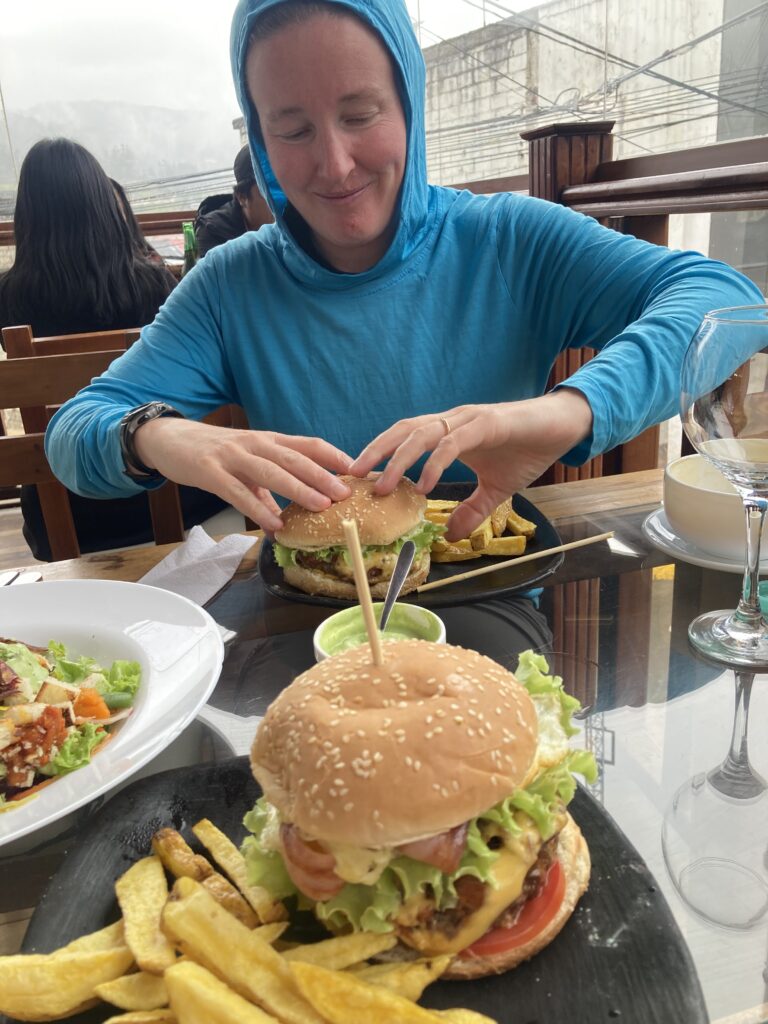
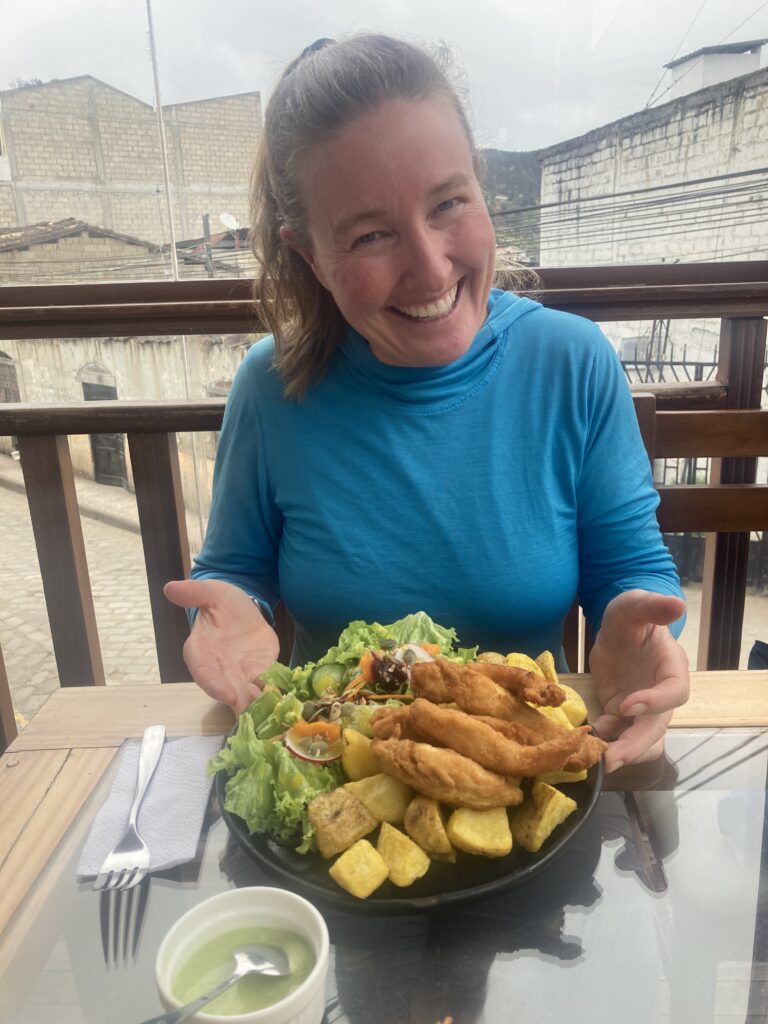
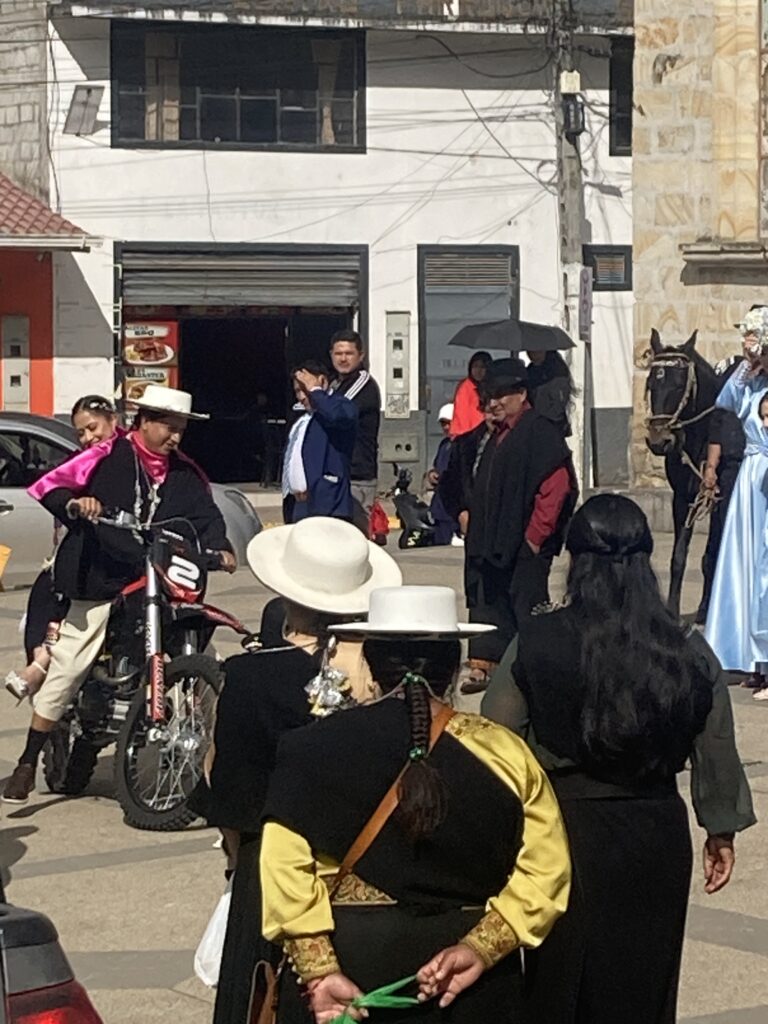
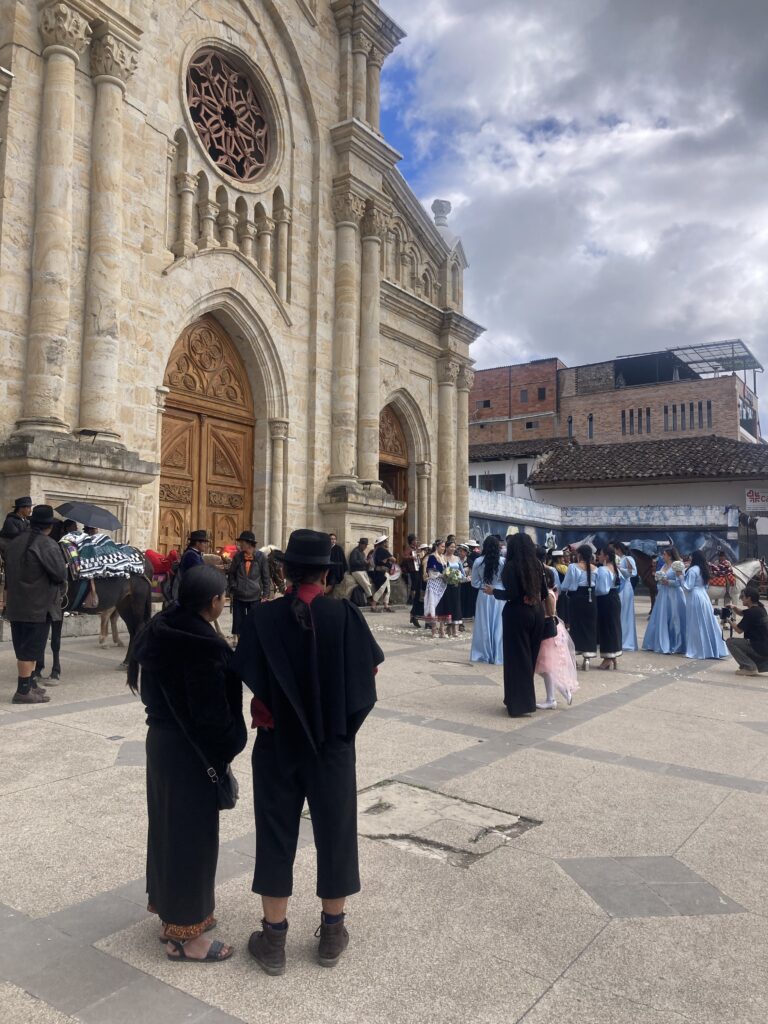
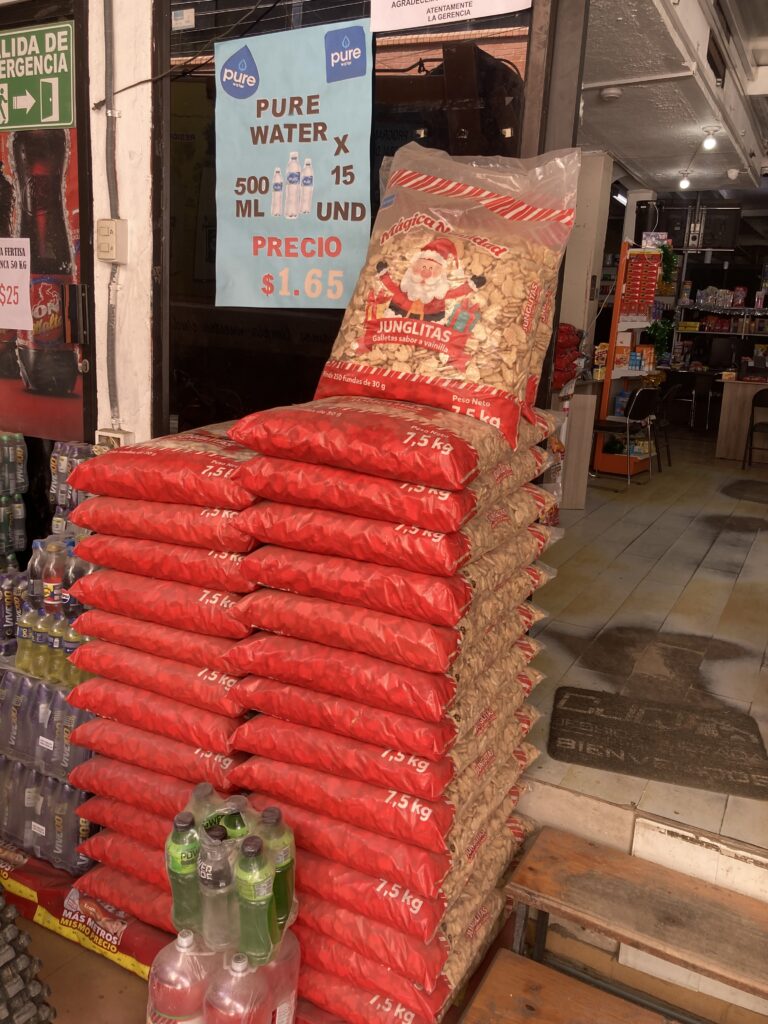
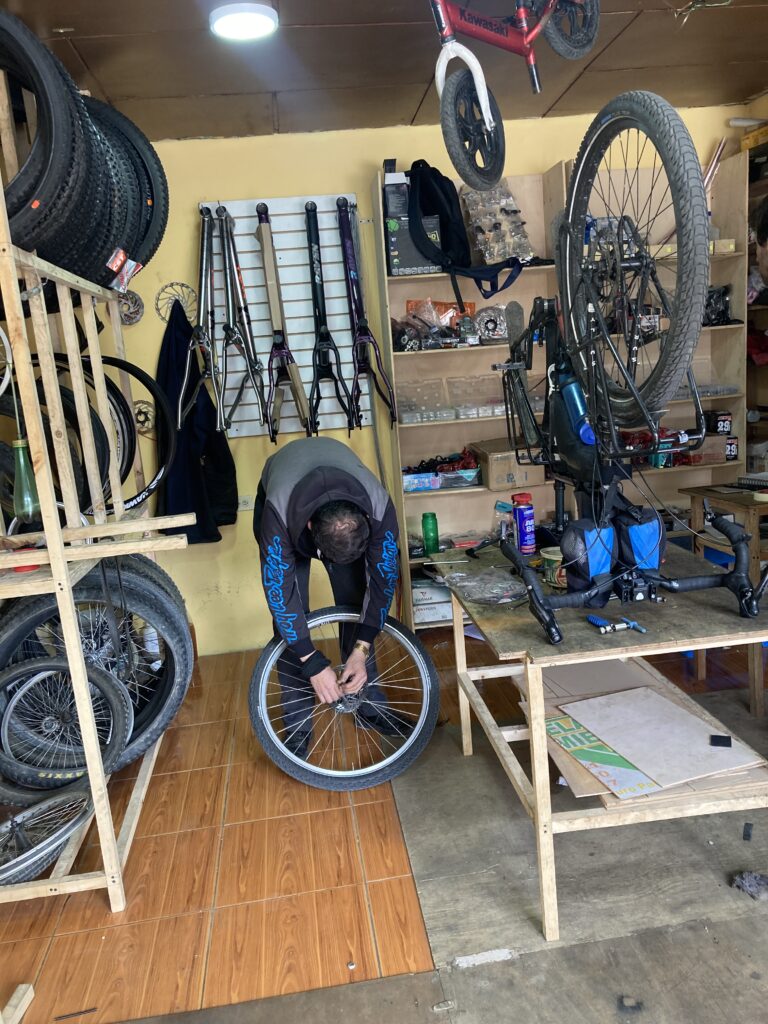
The joy of a fresh salad after a long bike ride, and a moment later the waiter told her that sauce was for the french fries – whoops! She had just showered and had wet hair so she pulled up the hood to keep the chill away while dining outdoors. Main course – huge burgers 🙂 The food at this restaurant was so good we went back the next day for chicken fingers (deditos de pollos) – once we figured out it wasn’t chicken feet 🙂 Saraguro’s main church was having a wedding – mostly traditional dress yet the bridesmaids wore more western style attire. The wedding went on for hours – it was one block from our hotel so we were able to comeback to see the bride & groom depart. Here, we thought, horses were waiting for the bridal party but…(next picture)The groom & bride hopped on a downhill racing motorcycle and had it make a lot of noise for the videographer & drone that was filming. Setting up all the pictures outside of the church – the bridesmaids were in the blue more western style dresses while everyone else wore more traditional attire. In the foreground is a couple with typical dress for the town – women in long black skirts & men in capris length dress pants & a poncho. Huge bags of animal crackers in a store in Saraguro – must be a thing around Christmas time – these bags were over 16 lbs of animal crackers!In Saraguro we took Dustin’s bike to a shop to replace his rear brake rotor – the original one had warped – these very heavy bikes in combination with the long steep downhills of the Andes are tough on the bicycle braking system. The bicycle mechanic told us that this new one was “disco economica” (a cheap one) and we could get a better part in the next town of Loja. We went ahead and purchased the cheap one to get him to Loja.
After Saraguro we did a tough day of pedaling with four separate climbs to reach Loja our last major city before Peru. Loja would be our last chance for decent quality bicycle parts for quite a while so we wanted to ensure we had everything in tip-top shape. We arrived in Loja on a Saturday and looked ahead on google maps for a bicycle shop that should have been open until 4:30pm – when we found the shop at 3pm it was already closed. All of the bicycle shops in town were closed on Sunday so we enjoyed 3 nights in Loja to await an open bicycle shop.
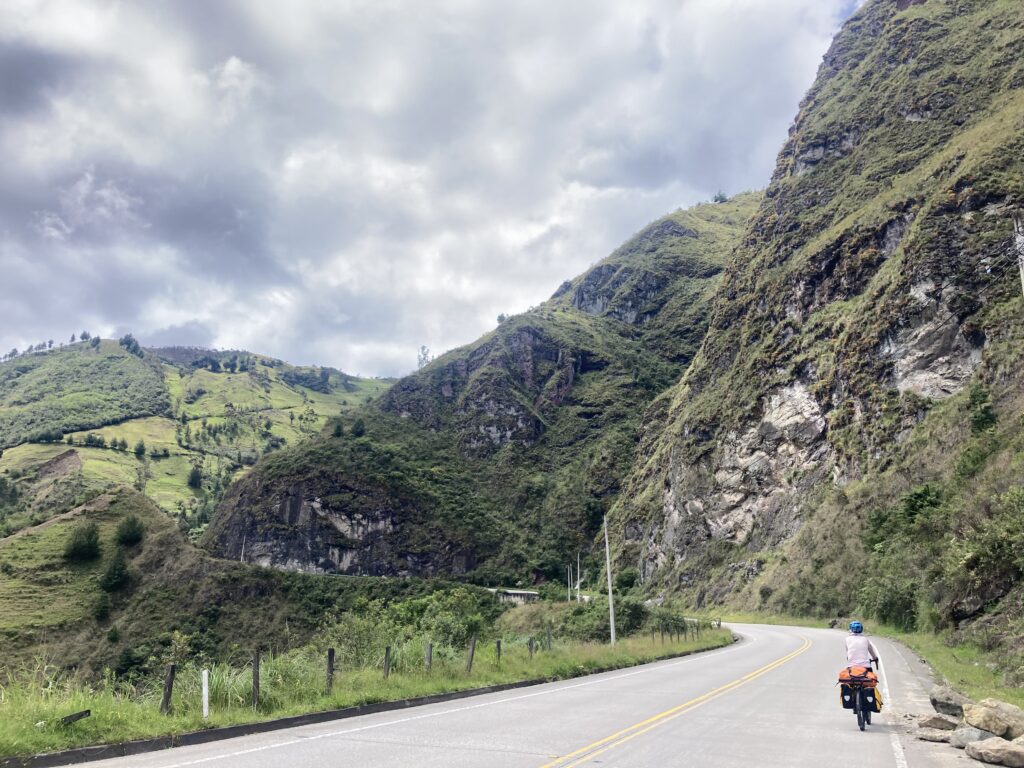
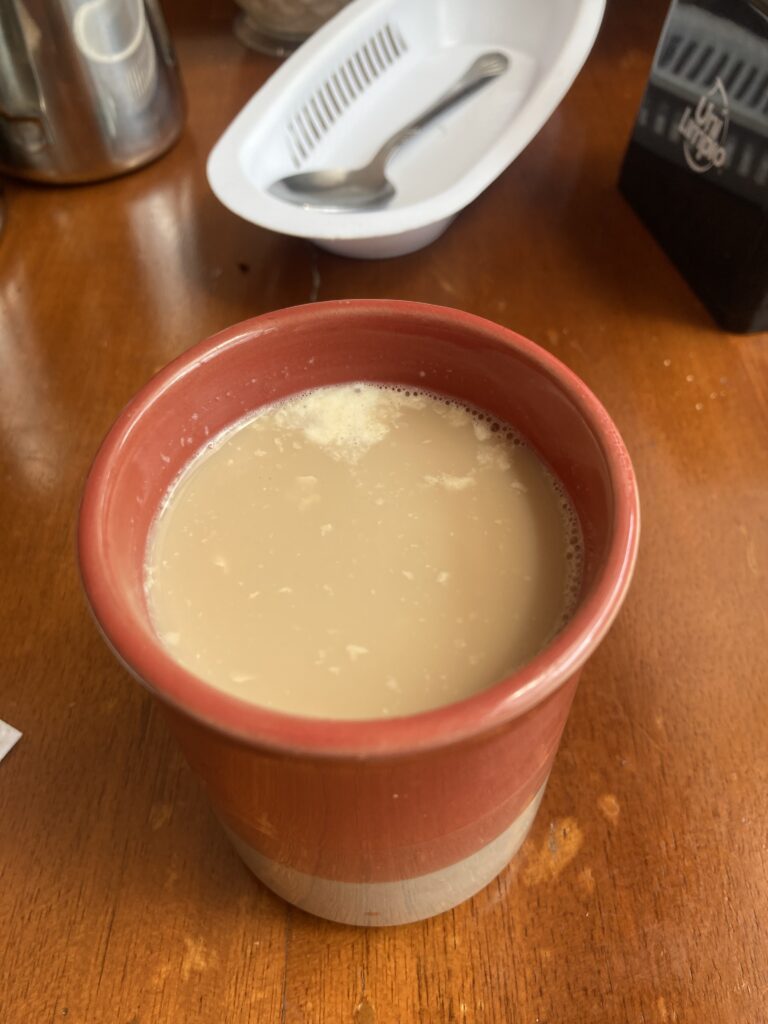
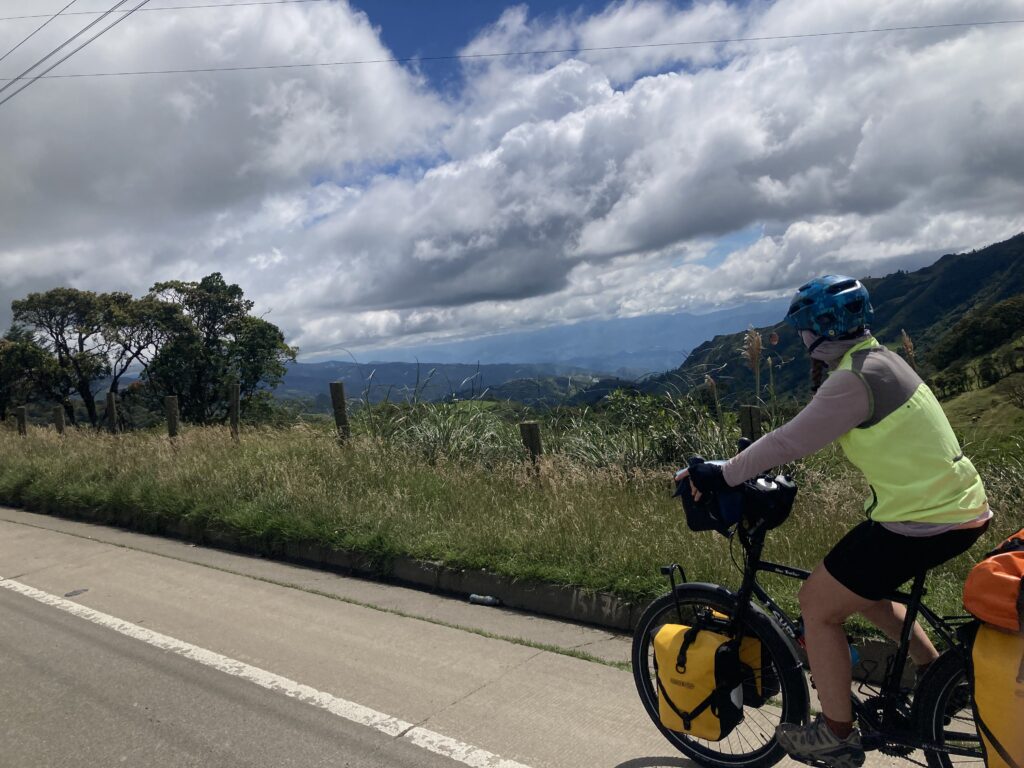
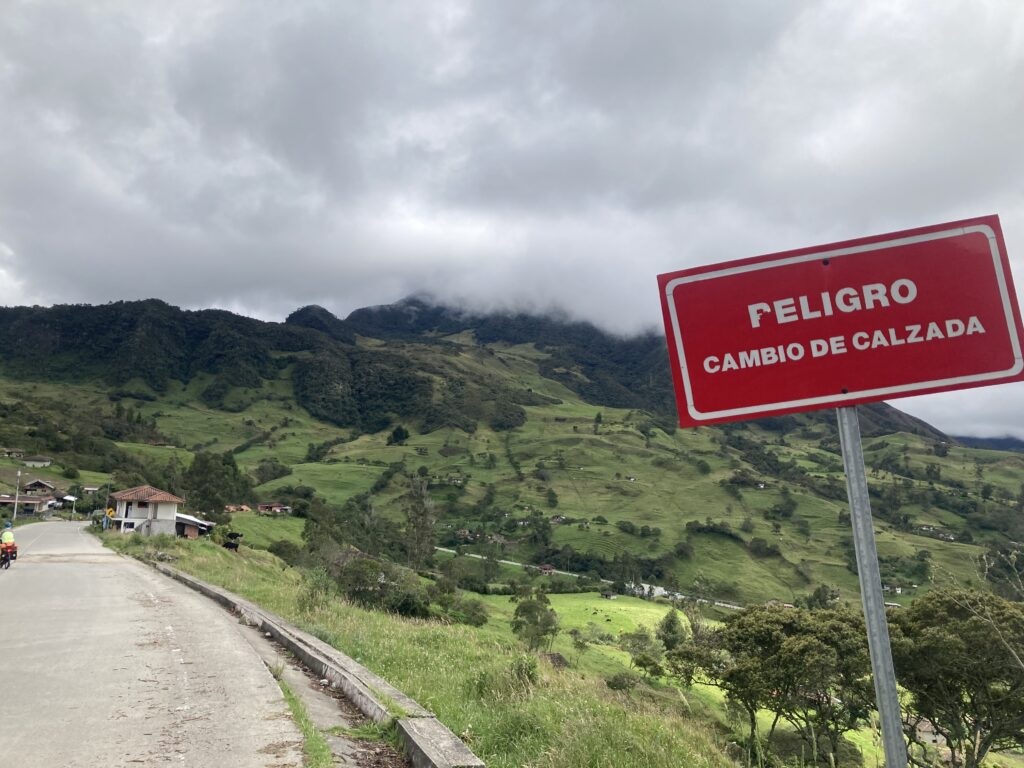
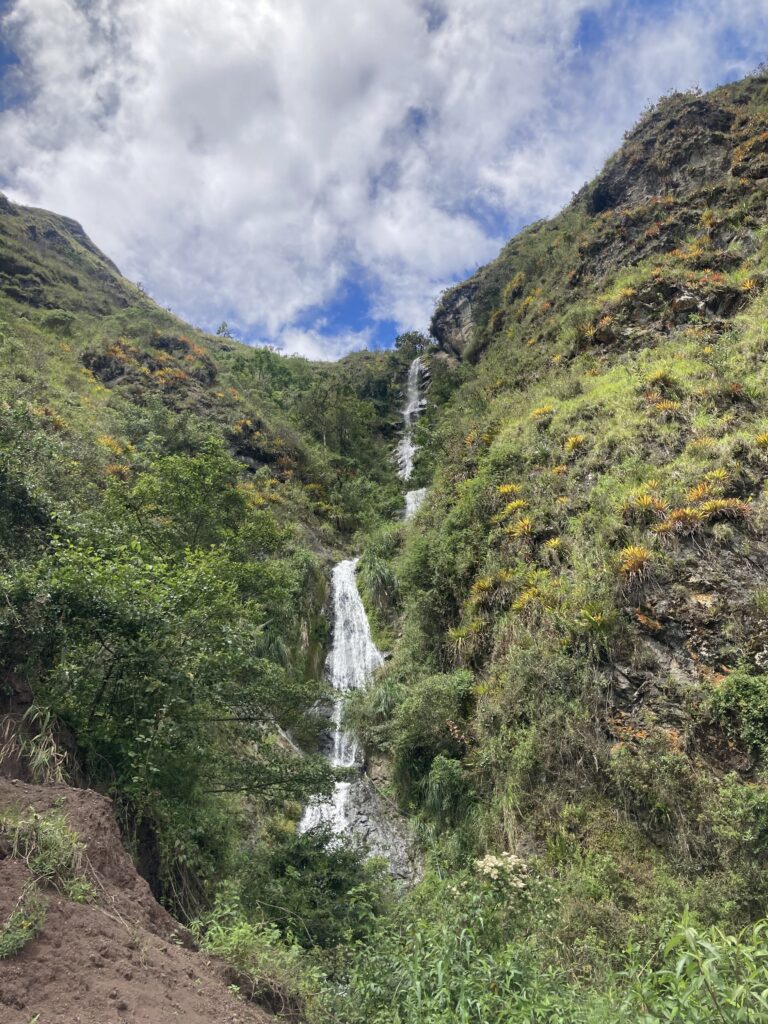
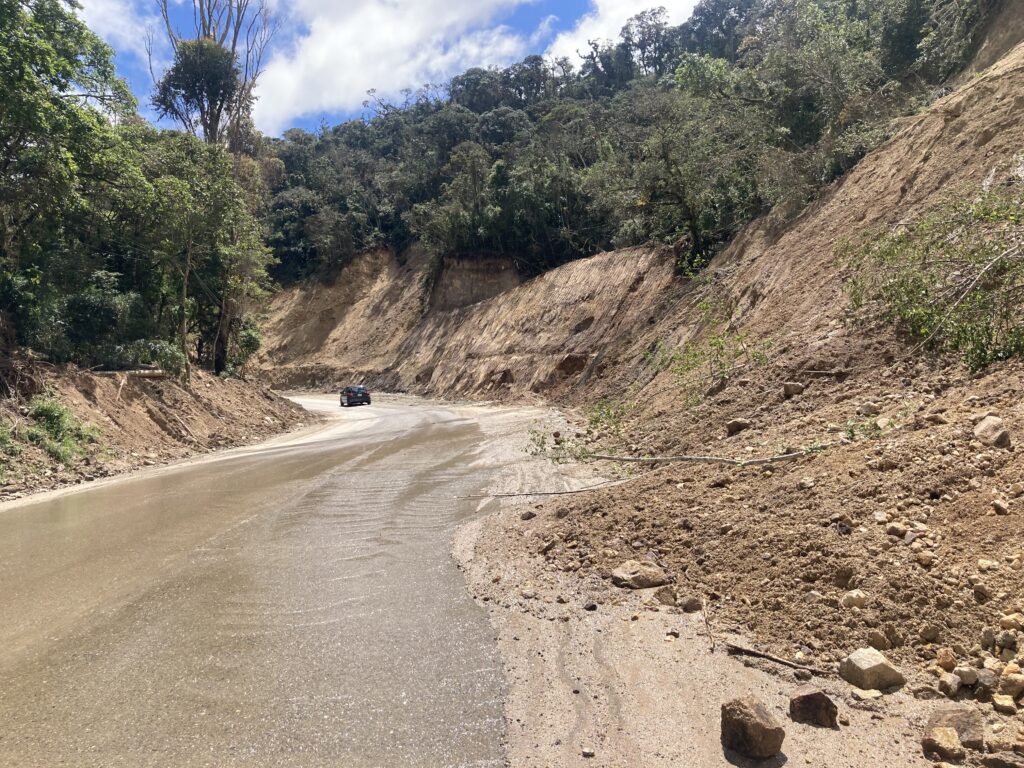
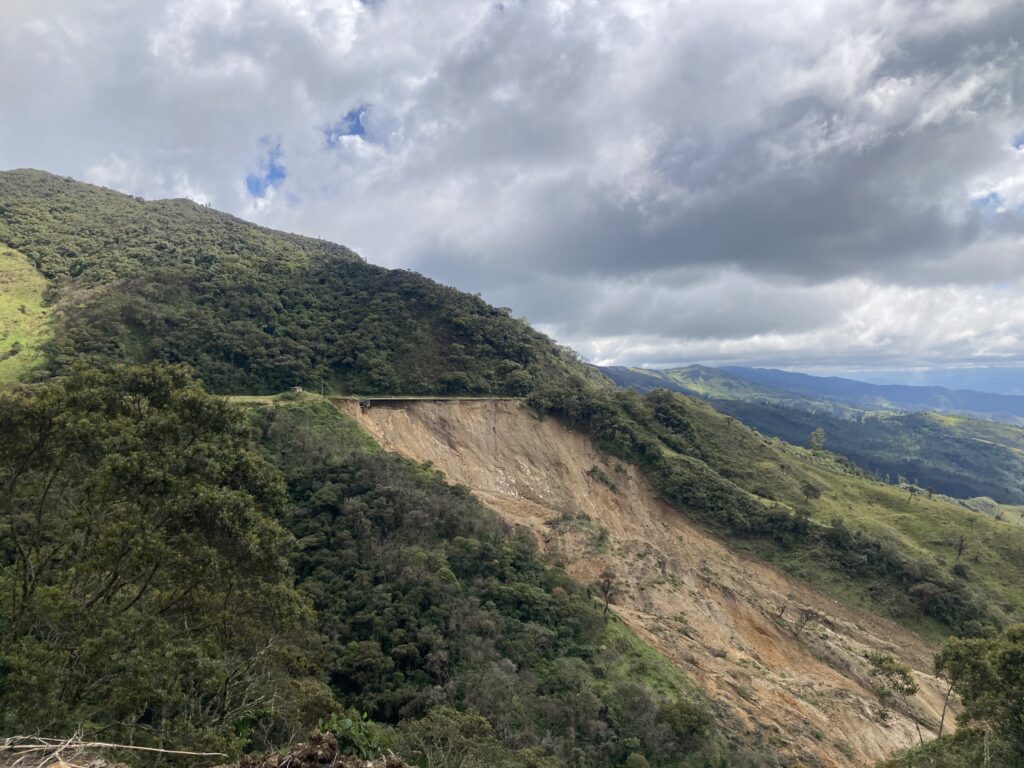
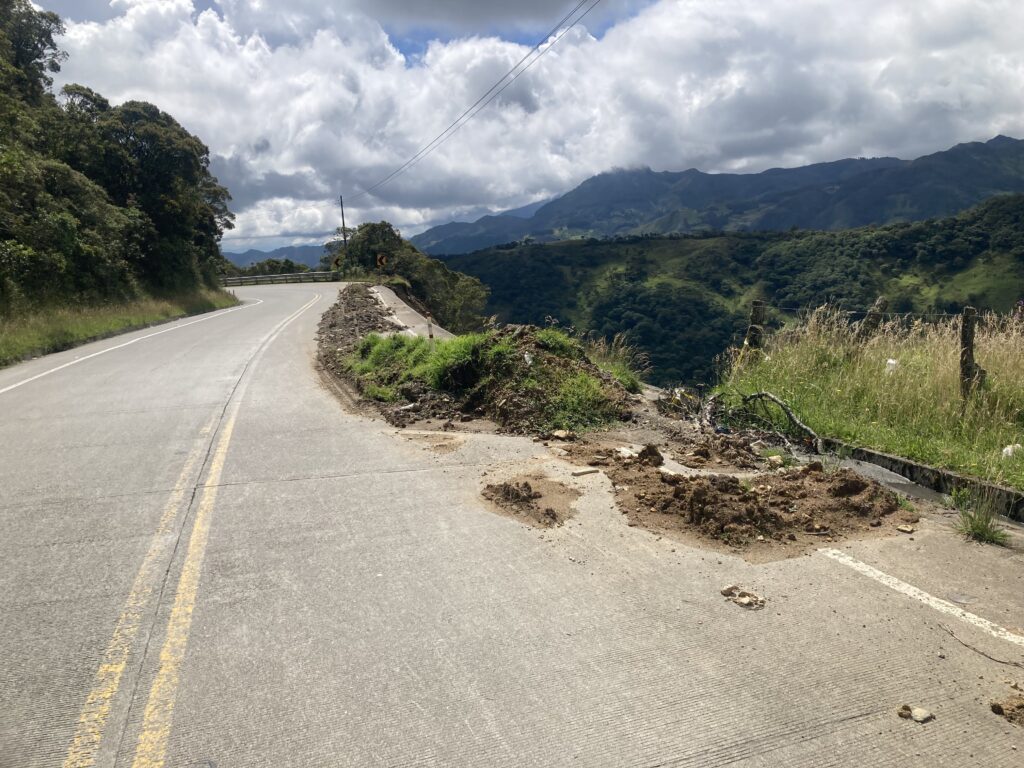
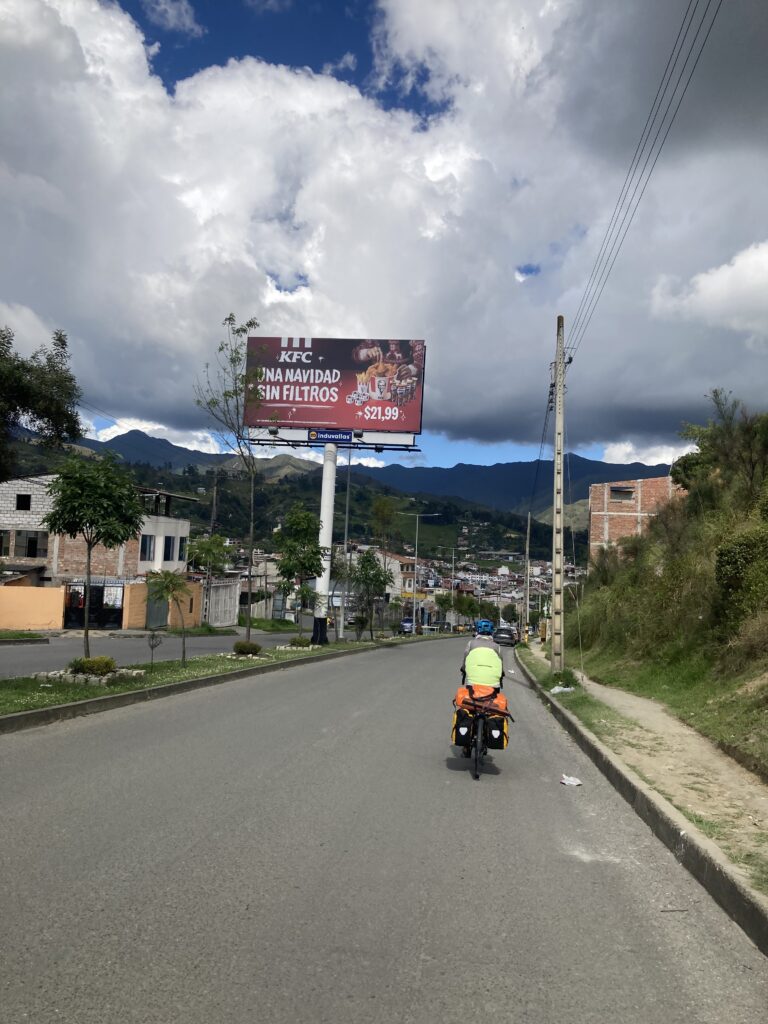
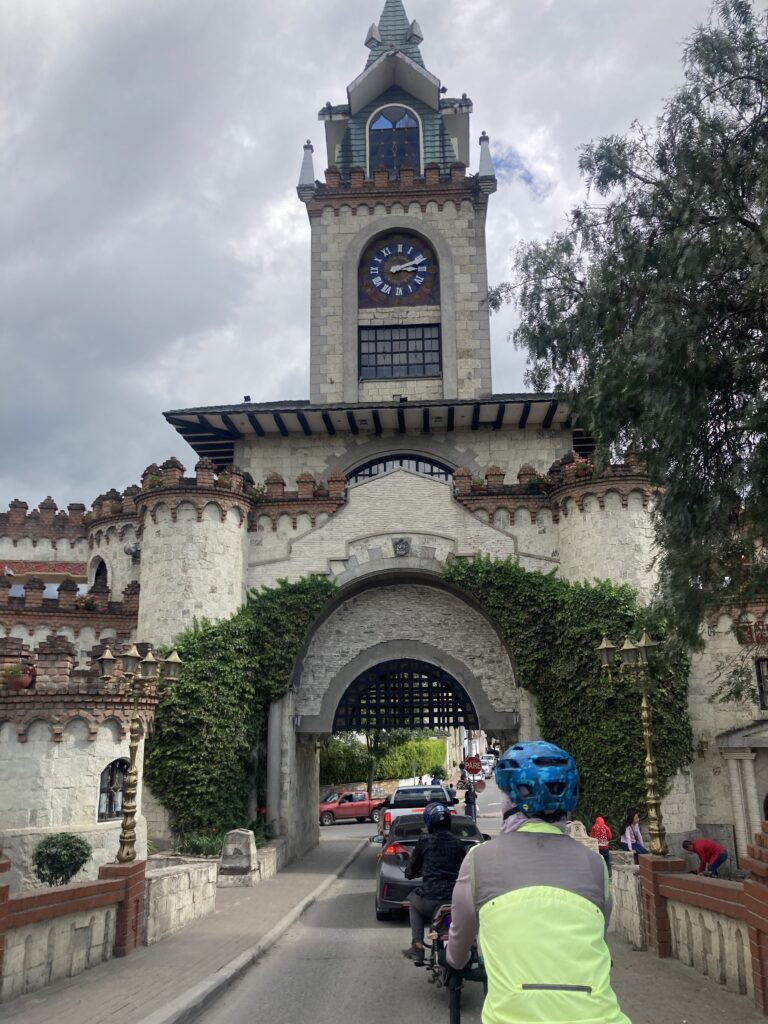
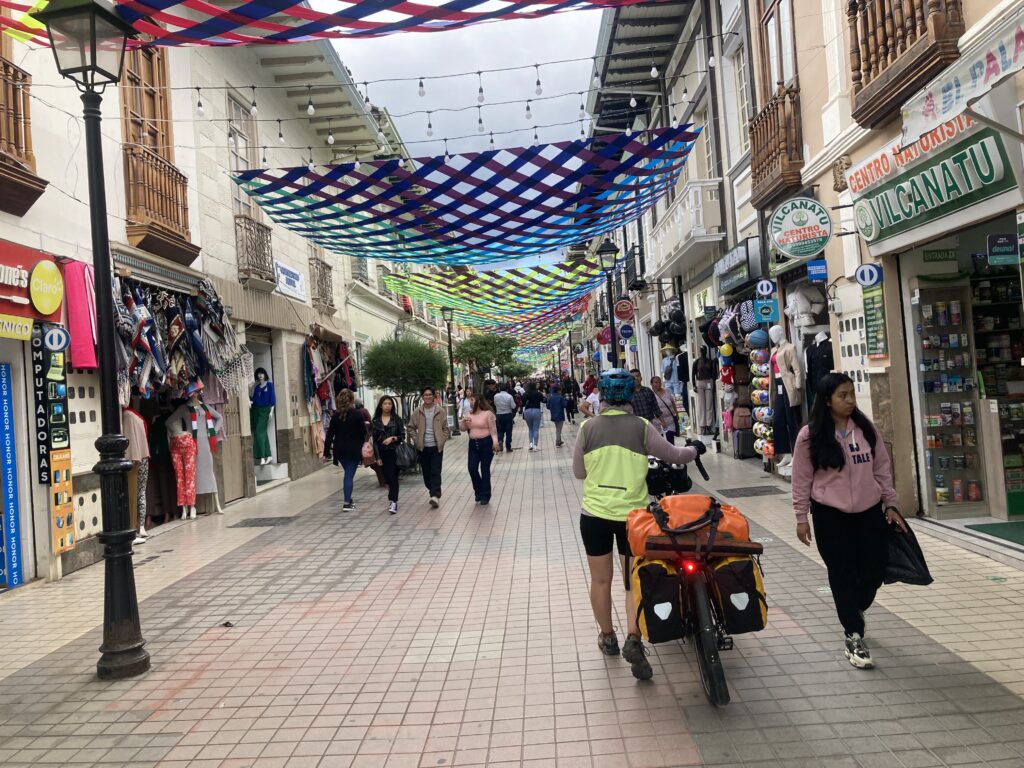
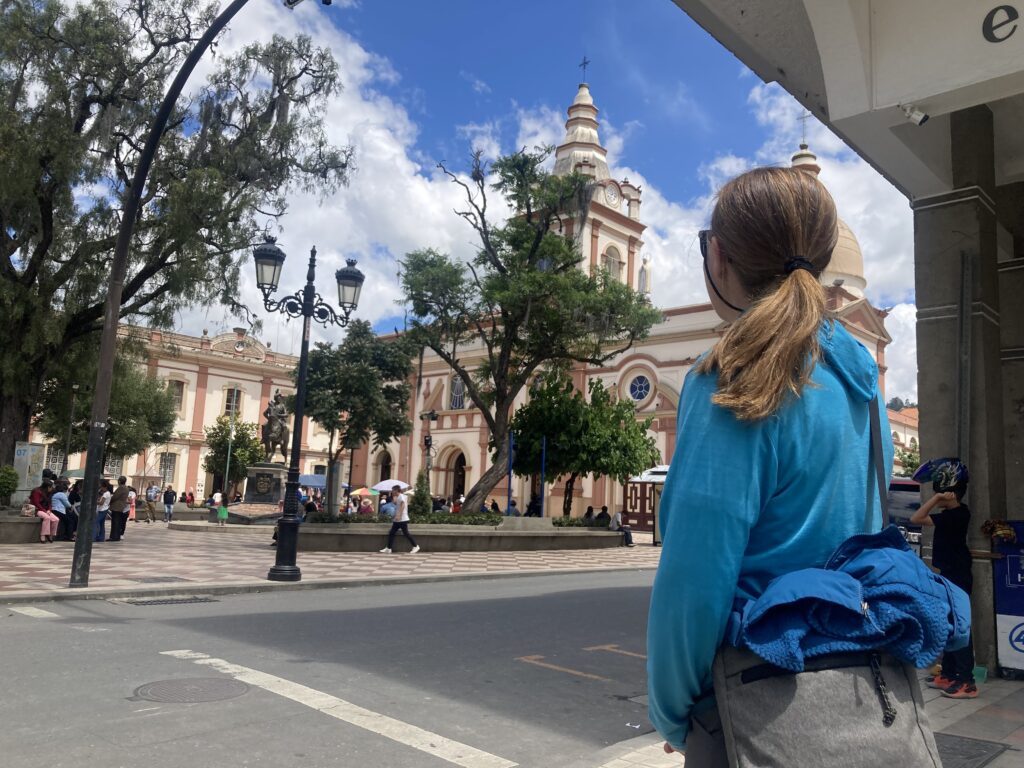
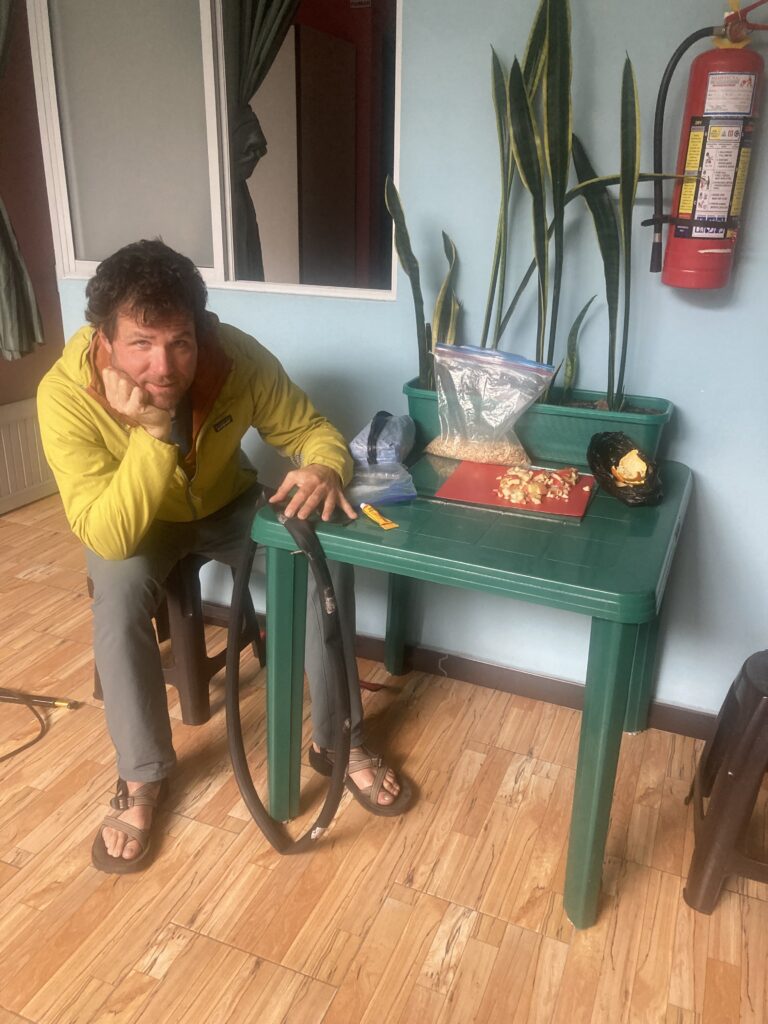
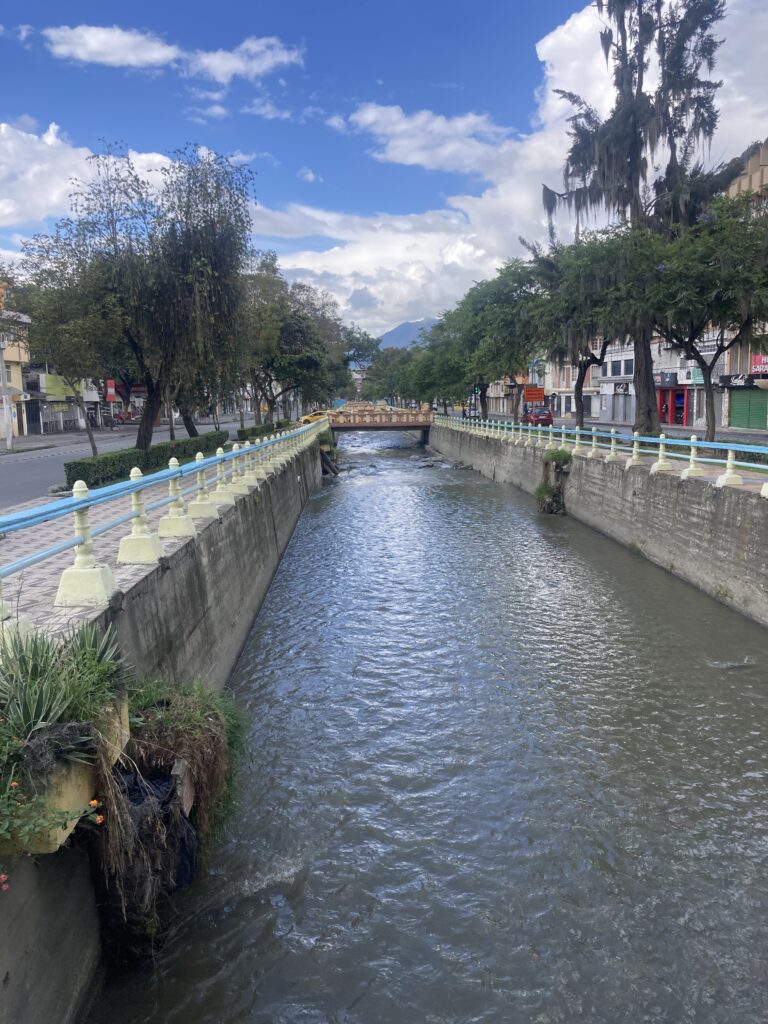
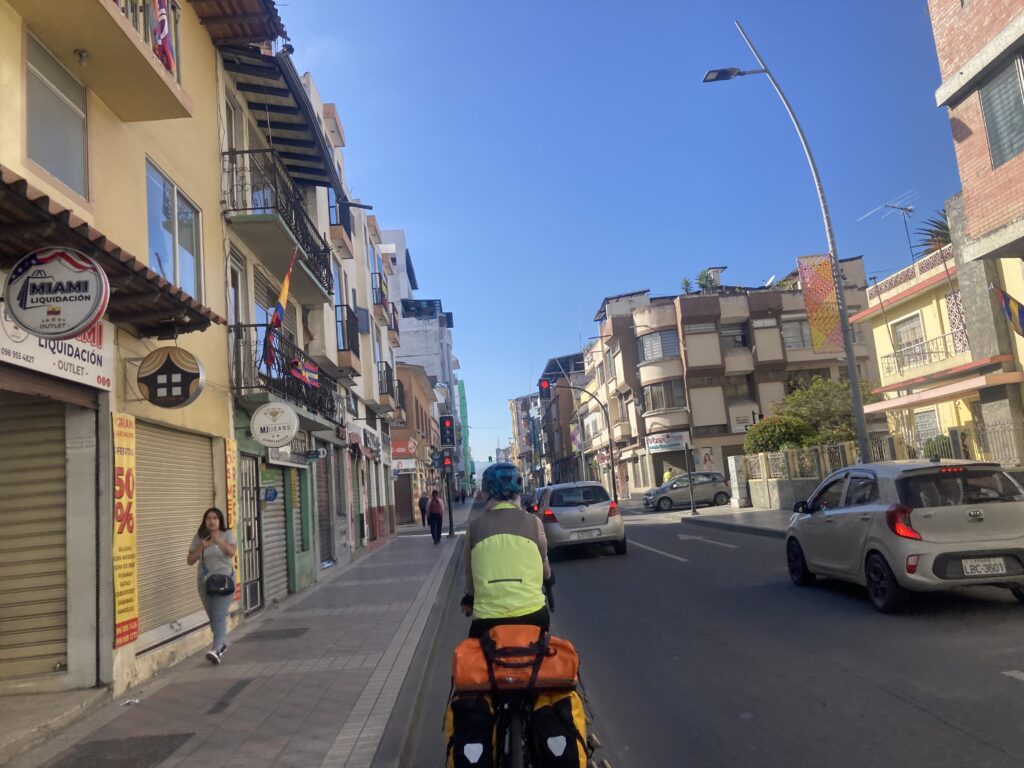
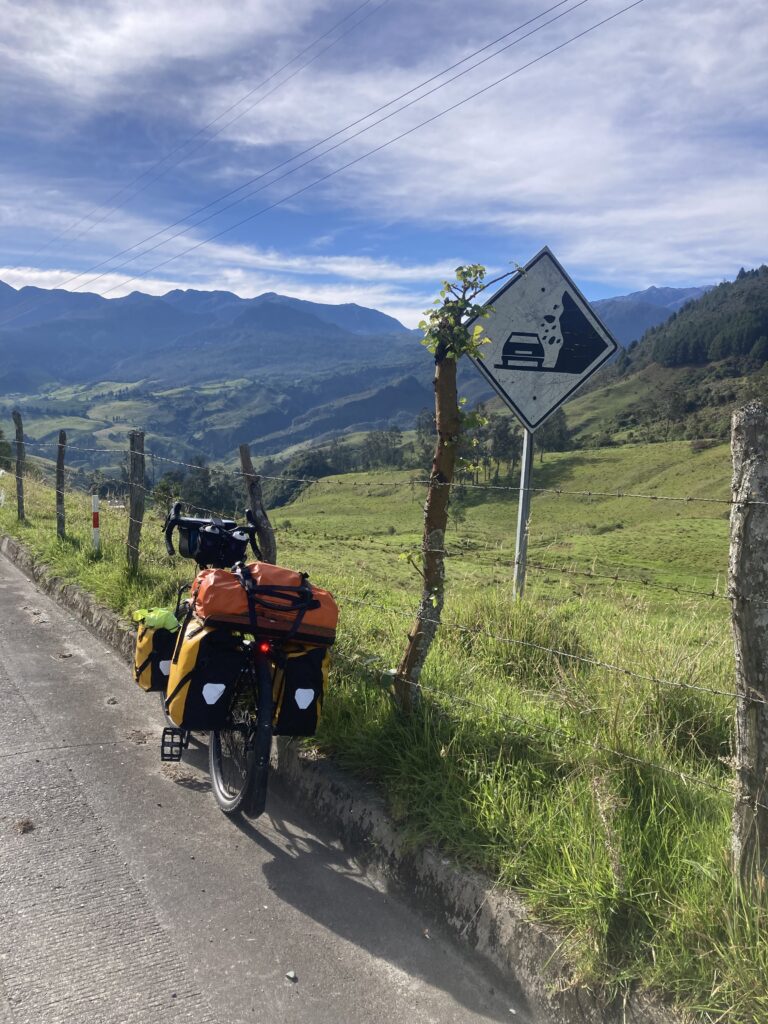
Riding between Saraguro and Loja we had four separate climbs made easier by the stellar scenery To break up all the climbing we stopped for second breakfast and had eggs, toast & coffee – when the coffee arrived it came with hot milk. Patricia asked if this milk came from the cow – yes, it came directly from the cow & was not homogenized to break up the cream which floated on top. After our four separate climbs we rode along a ridge for a while before a steep drop into the town of Loja. It was a beautiful ride from Saraguro to Loja but as the sign says “Danger change of road” we encountered many landslides & rough sections of road. Waterfall along the routeOne of the many landslides we encountered south of Cuenca along the Panamerican HighwayThat’s our road going right over a landslideThis is the section of road that goes right over the landslide (previous picture) – don’t worry they piled dirt in the right lane so you wouldn’t drive or ride there. We held our breath and made sure no trucks were coming as we pedaled over this 🙂 On the downhill into Loja – a billboard for KFC “A Christmas without filters” ??Patricia rolls into Loja through the famous city gateOur hotel was right off the busy pedestrian street so we walked the bicycles for the last block. One of the many town squares with a church in Loja. Loja has many churches right in the downtown Dustin patching a tube at our hotel in Loja – this one tube has reached 10 patchesA (contained) river running through the town of Loja – every block had a bridge where crossing the water was possible.
Valley of Longevity (Hoax!)
From Loja we made our way to Vilcabamba – it was a great day of sunny riding through the Andes Mountains. We had two climbs that got us hot & sweaty but then enjoyed a 20km (12 mile) downhill.
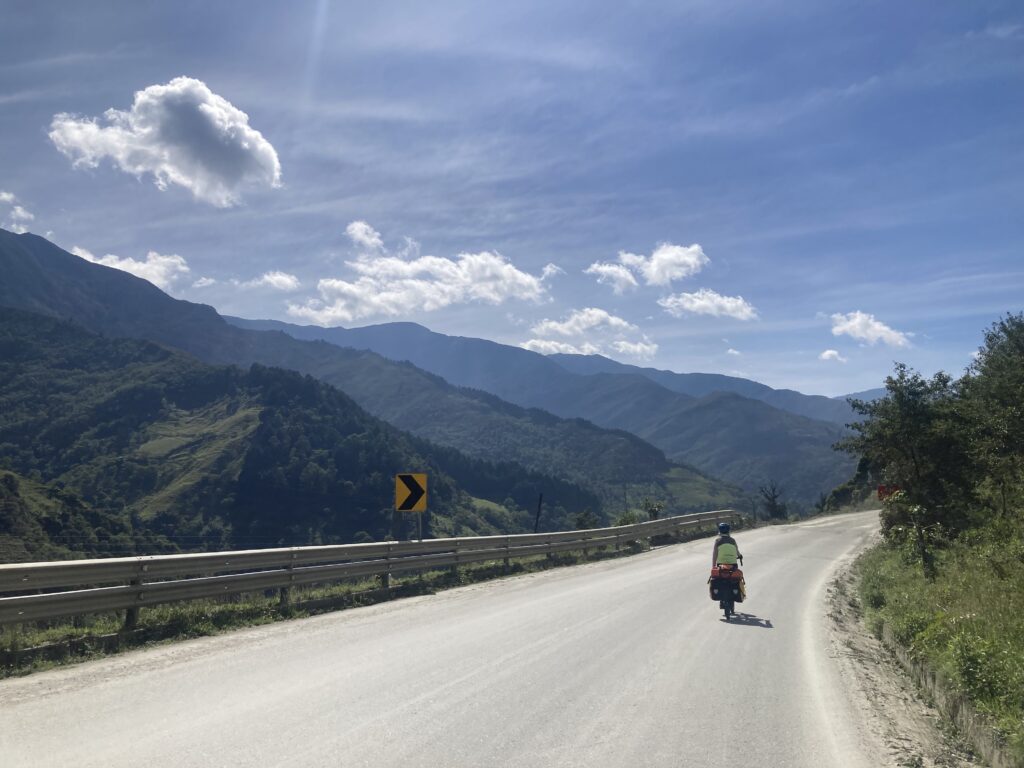
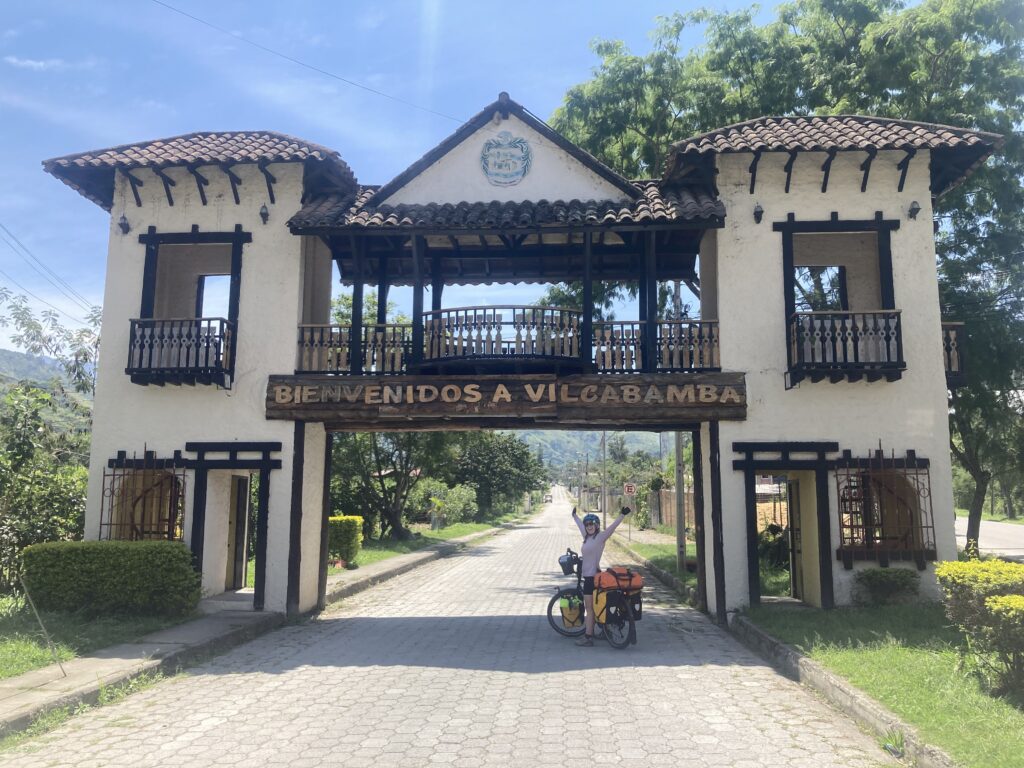
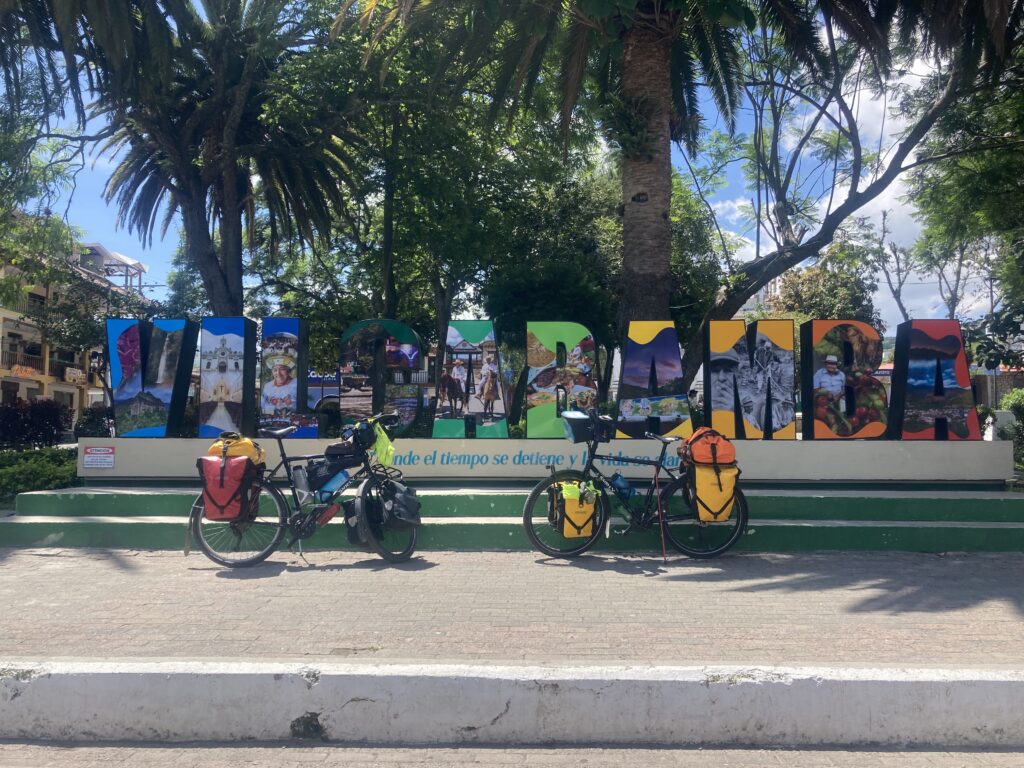
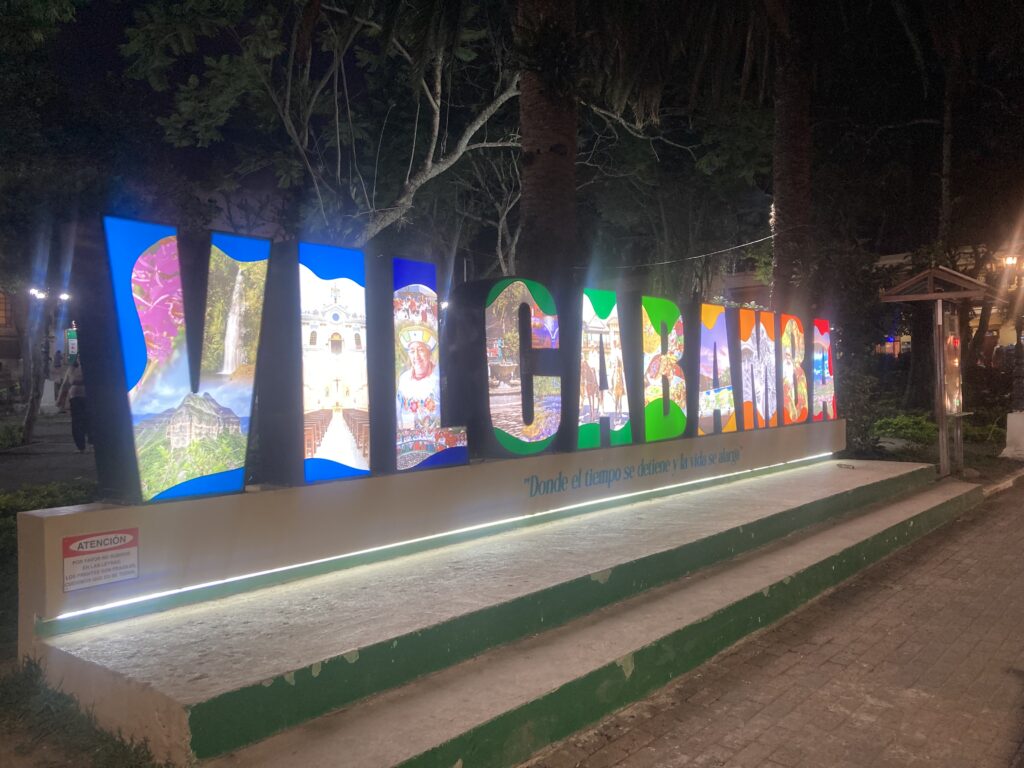
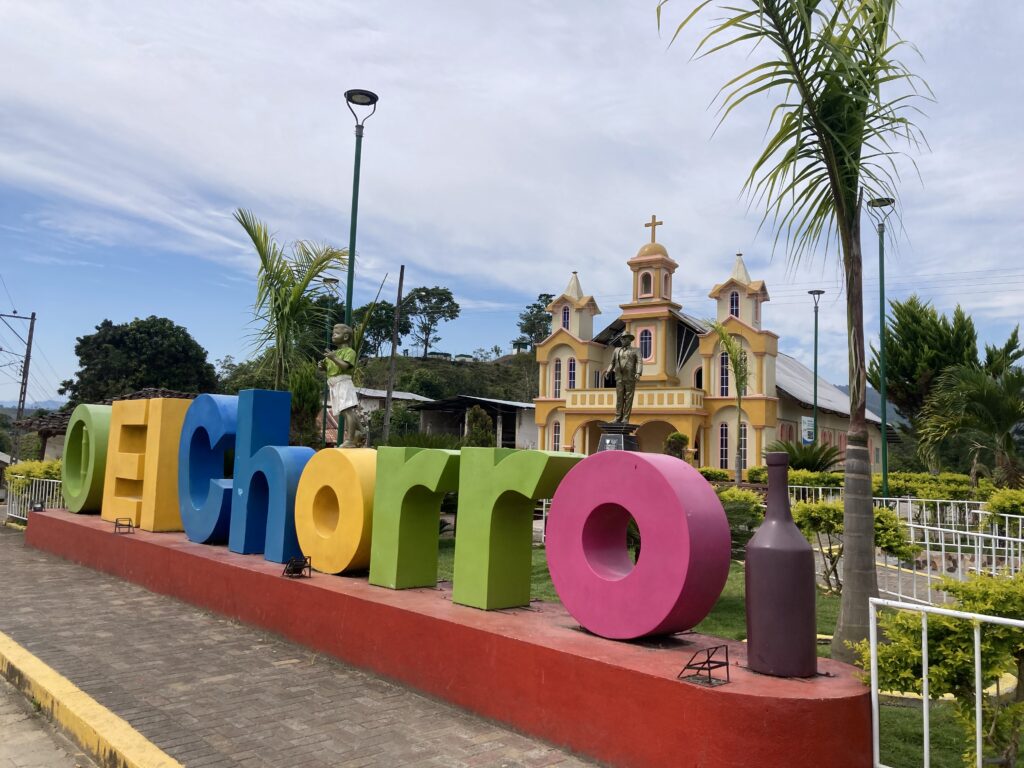
Leaving Loja we had a dedicated bike lane until we got on the E682 highway – we’ve now departed from the Panamerican Highway (which went toward the coast) and will pick it back up when it returns to the Andes in Peru. Most of the road was good smooth pavement with limited traffic. Rolling downhill after a hot & sweaty climb. There were a few landslides along the way which narrowed the road a bit. Welcome to Vilcabamba Vilcabamba’s “Las Letras” on the main town square.
This area was coined the “Valley of Longevity” and Vilcabamba was once recognized as one of the “Blue Zones” for human longevity before scientists discovered that ages of locals were being exaggerated. As a result of thinking this area is a Blue Zone many foreigners have settled here – the town had a hippy/yoga vibe. Vilcabama, Ecuador feels like the highest per capita gringo population we’ve seen in all of Latin America. It feels as if the population of foreigners outnumbers locals in this area – we overheard more English being spoken than Spanish!
As we rode in we started to recognize some characteristics of a gentrifying area – gated communities, swimming pools, international cuisine, etc. For us this felt very strange – like we weren’t in Ecuador. We’d become so used to being the only blue-eyed people in most of the towns we’d visited.
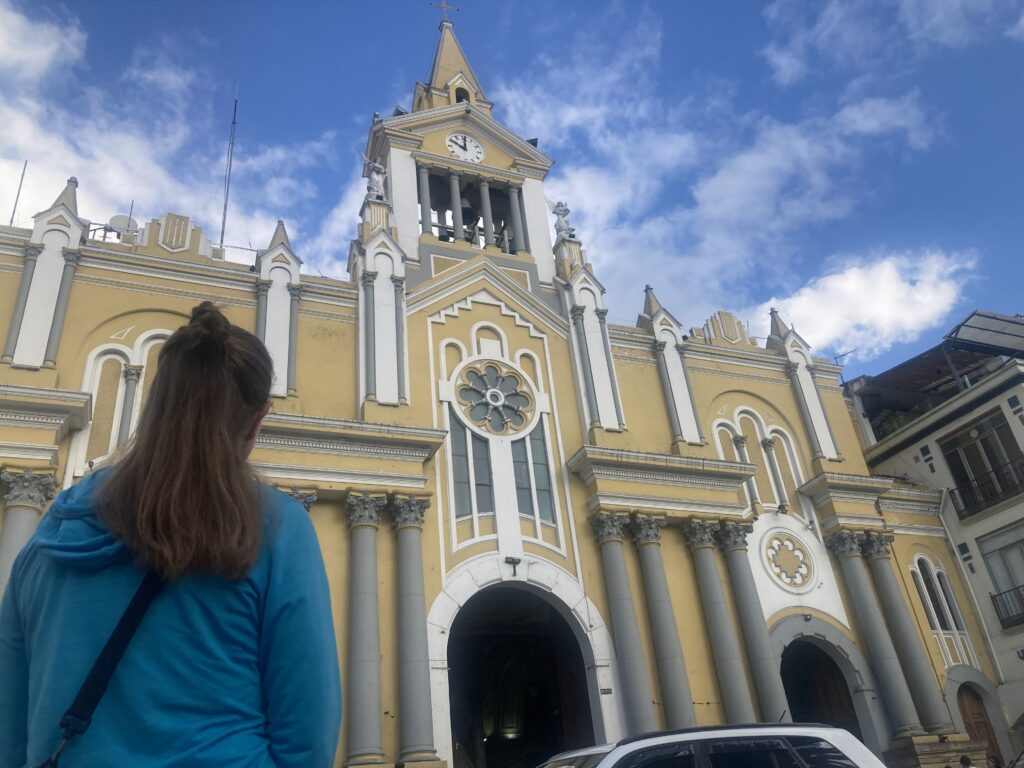
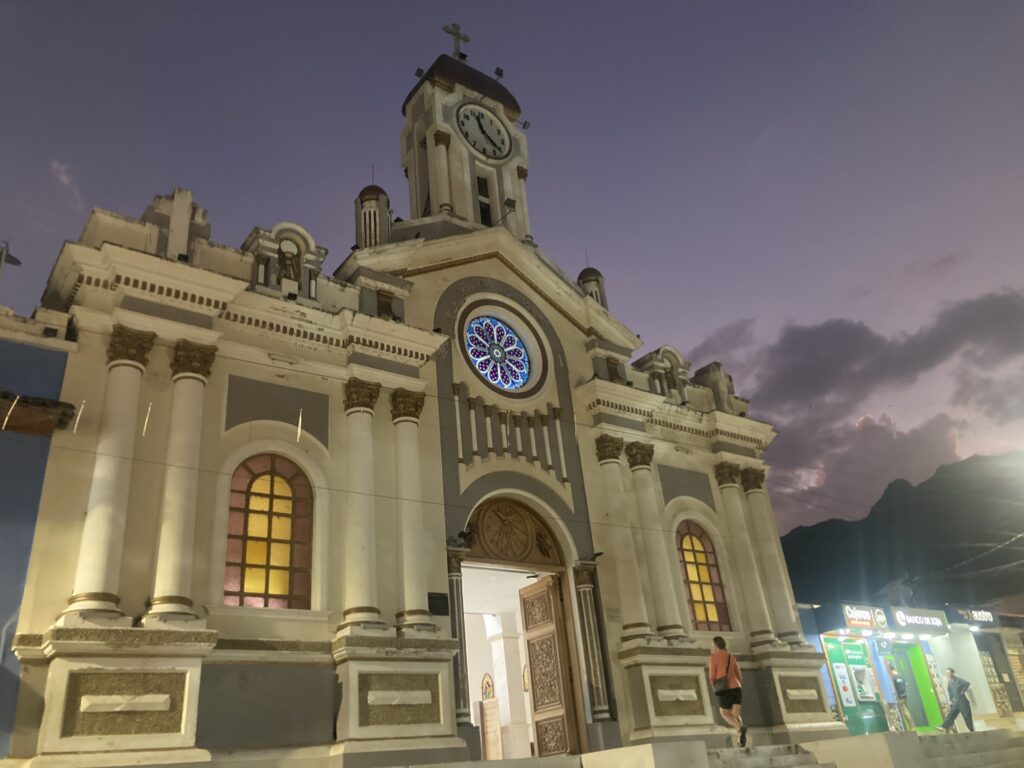
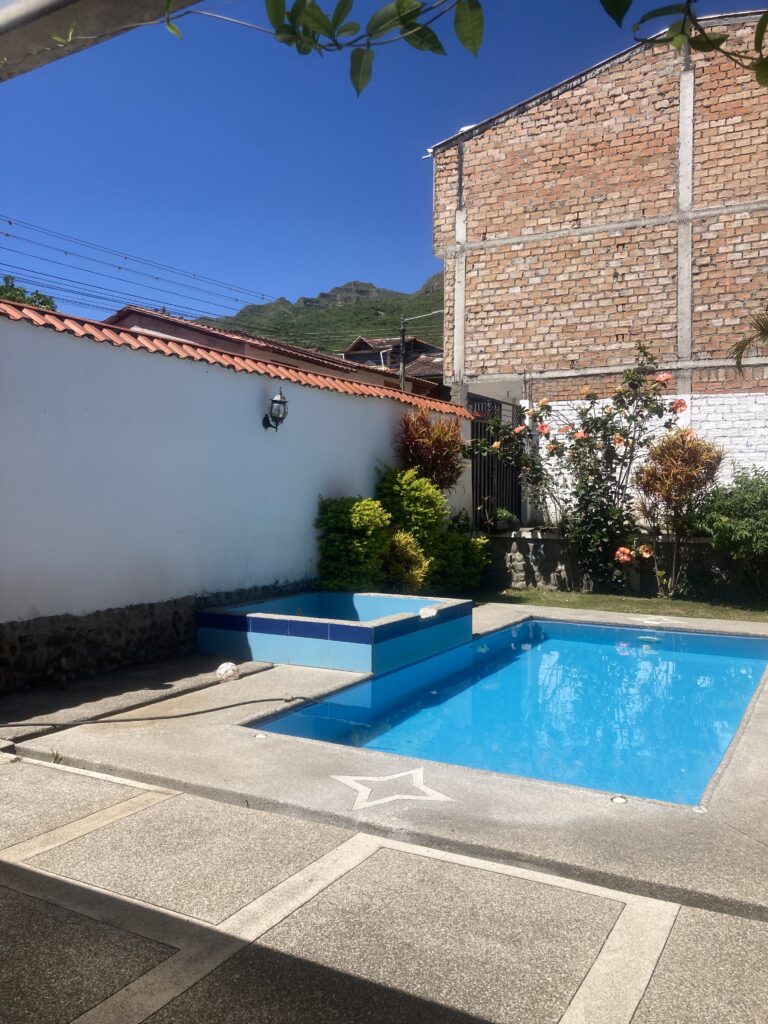
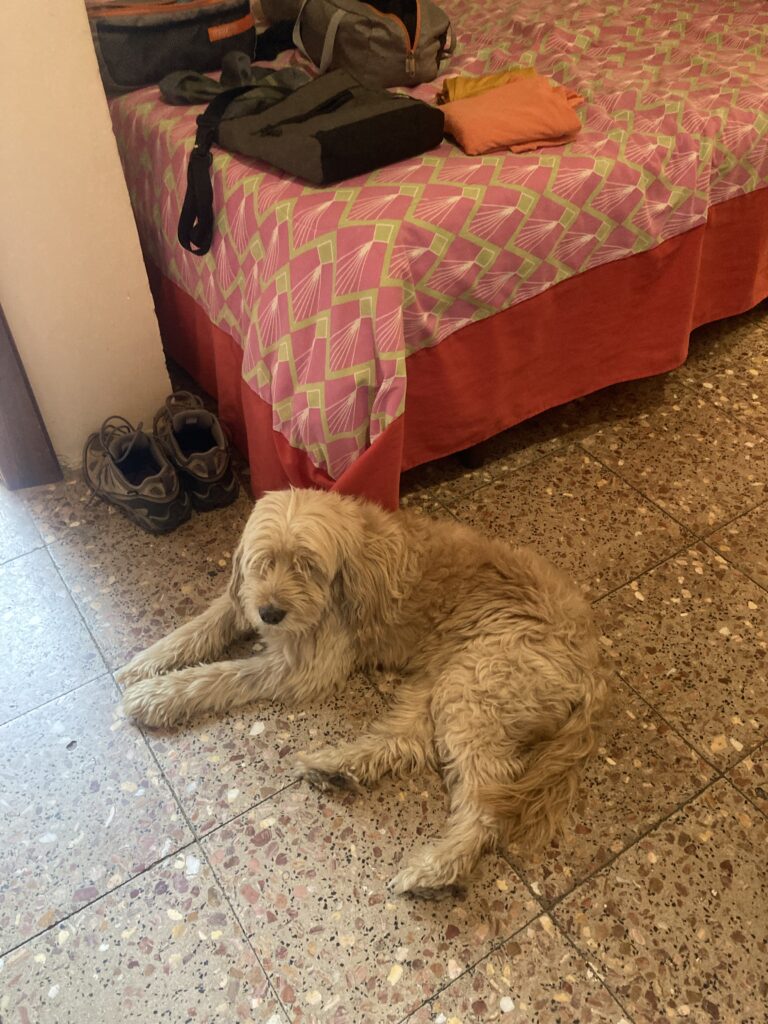
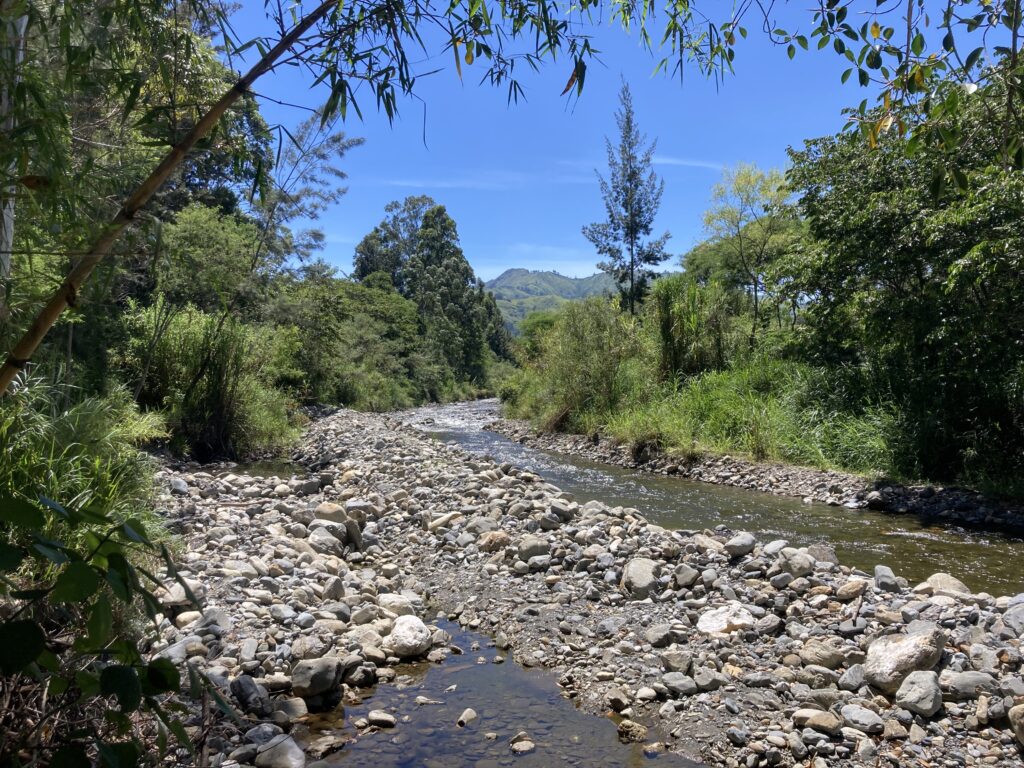
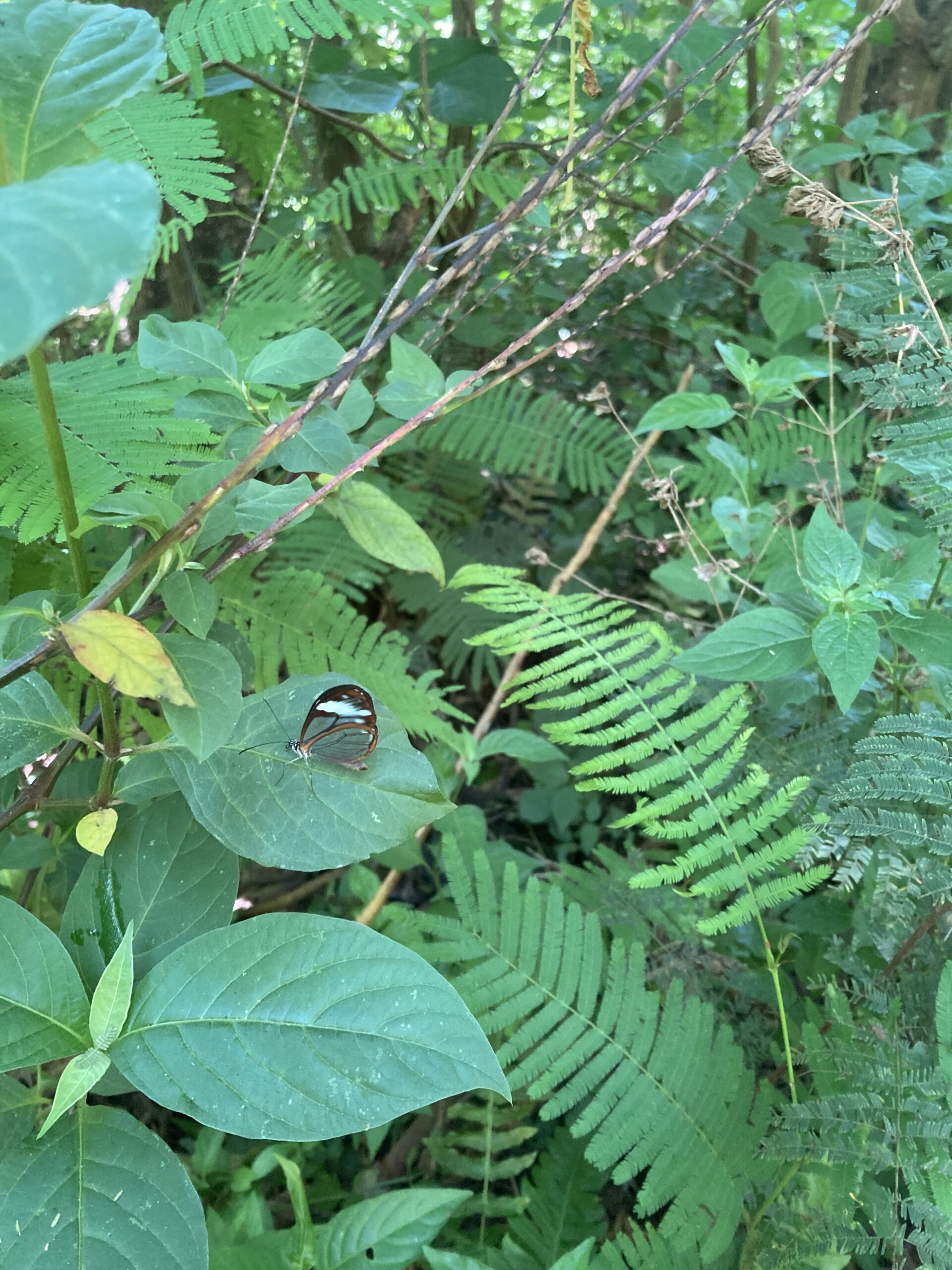
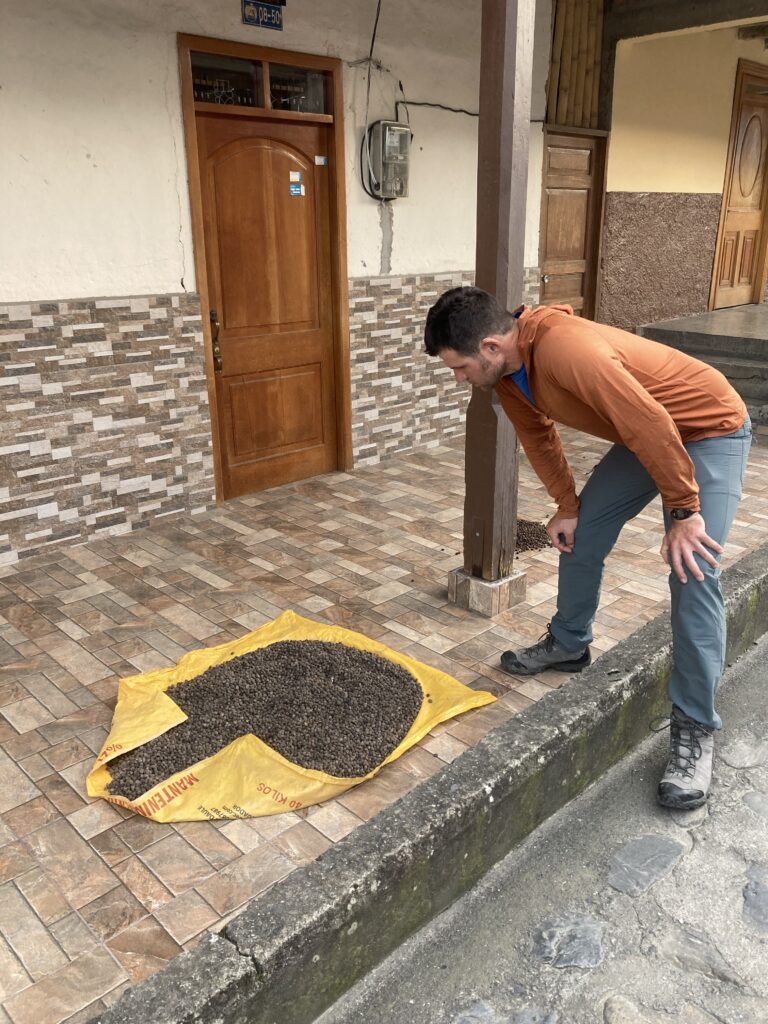
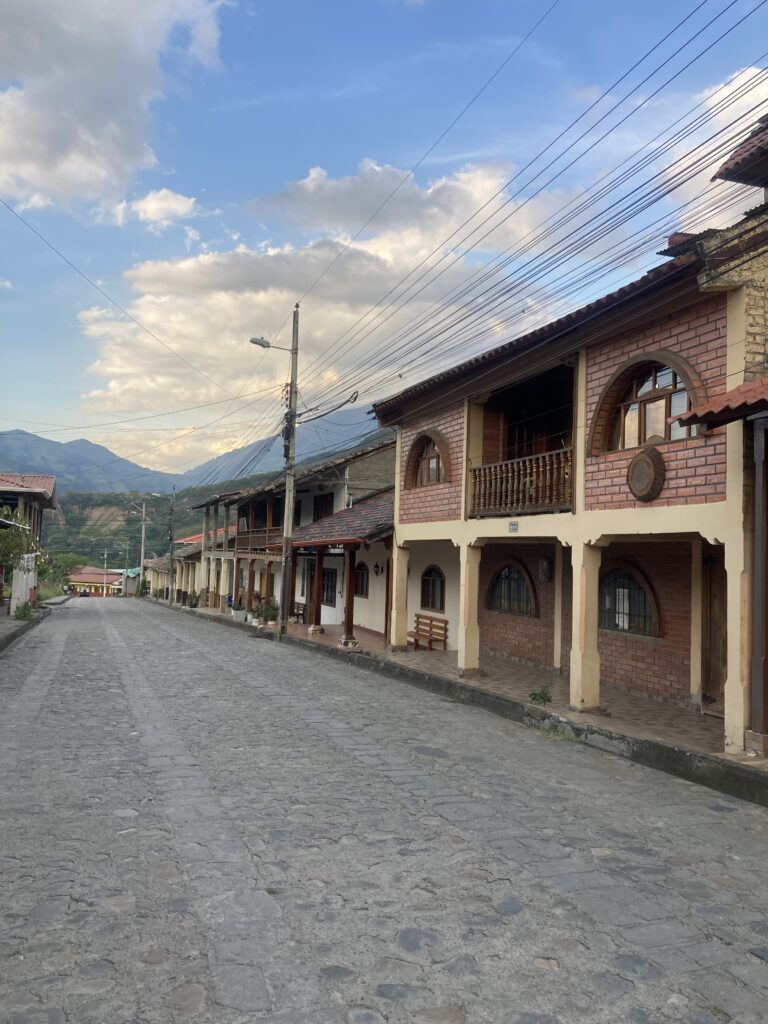
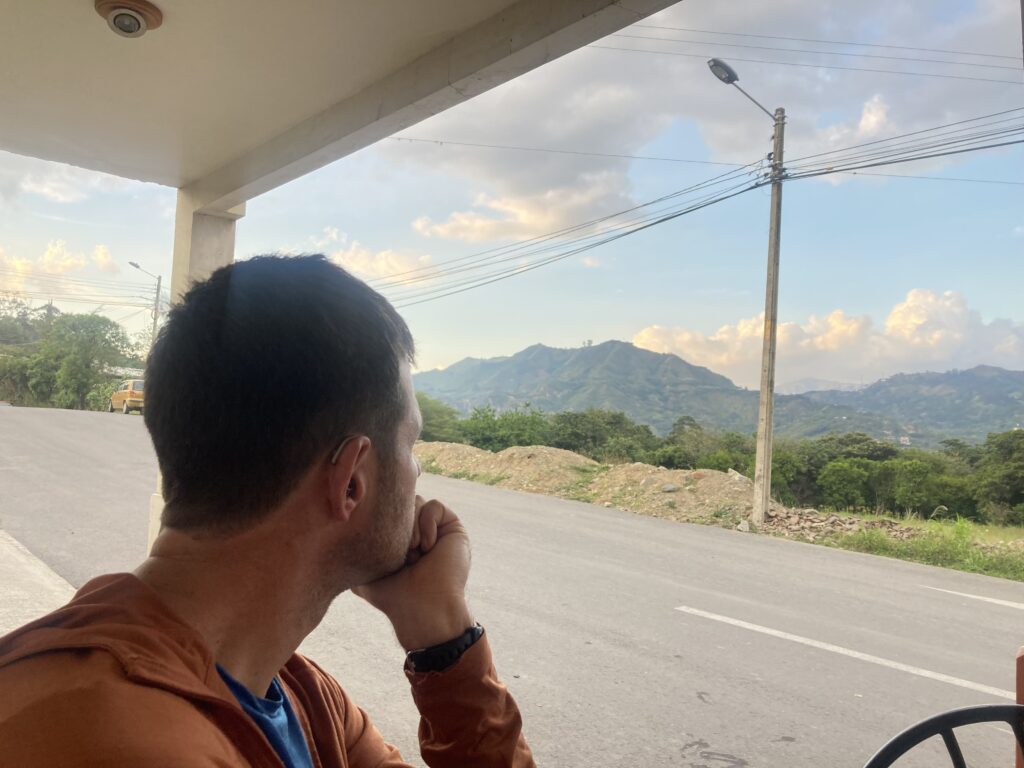
Church on the town square – Vilcabamba, Ecuador. Our hostel had a delightful little pool – this is Southern Hemisphere summer 😉 Our hostel even provided 4-legged furry friends for your room Walking distance from town in Vilcabamba was a nature preserve with hiking trails Check out this moth/butterfly? with translucent wings It was nice to hike in the shade – when we’re cycling most often we are in direct sunlight. Checking out coffee drying alongside the street in VilcabambaGolden hour street scene in VilcabambaView from a Vilcabamba restaurant – Taiwanese…who would have thought in Southern Ecuador – it was delicious 🙂 Las Letras even light up at night
Mountain climbing south to the border
Although it was only about 90 miles from Vilcabamba to the border with Peru we gave ourselves 4 days to bicycle this distance because of the significant climbing (over 14,000 feet) required over the Andes Mountains of Southern Ecuador.
On the first day we got a late start out of Vilcabamba because of a scheduled phone call back to the US so we cycled a mere 21 km but climbed almost 2,500 feet in that distance. It was difficult climbing in the high heat of the day in conjunction with an “extreme” UV index from being at altitude so close to the equator that encouraged us to stop in Yangana. It was a delightful small town where we were able to get a modest hospedaje with a balcony overlooking the town square.
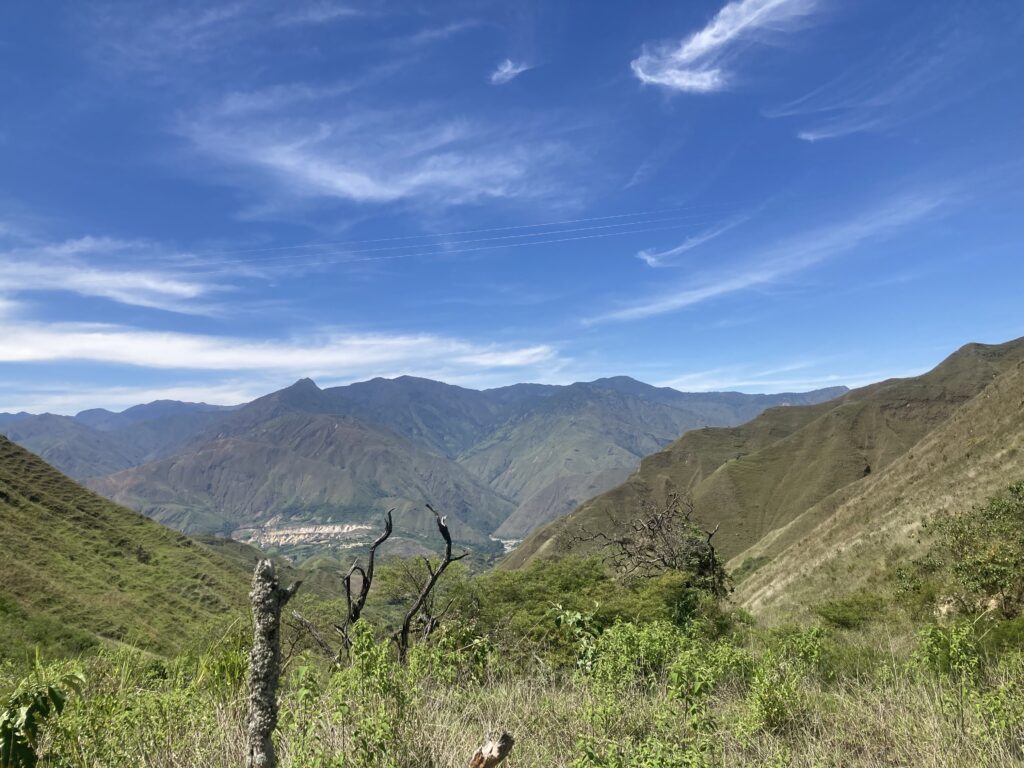
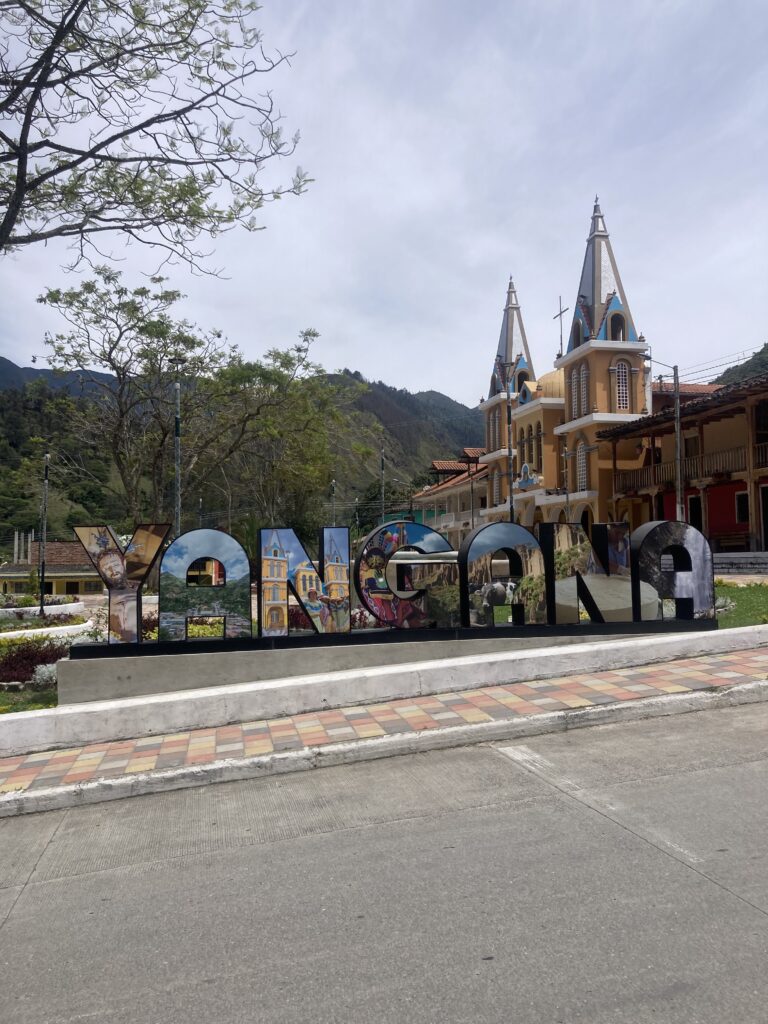
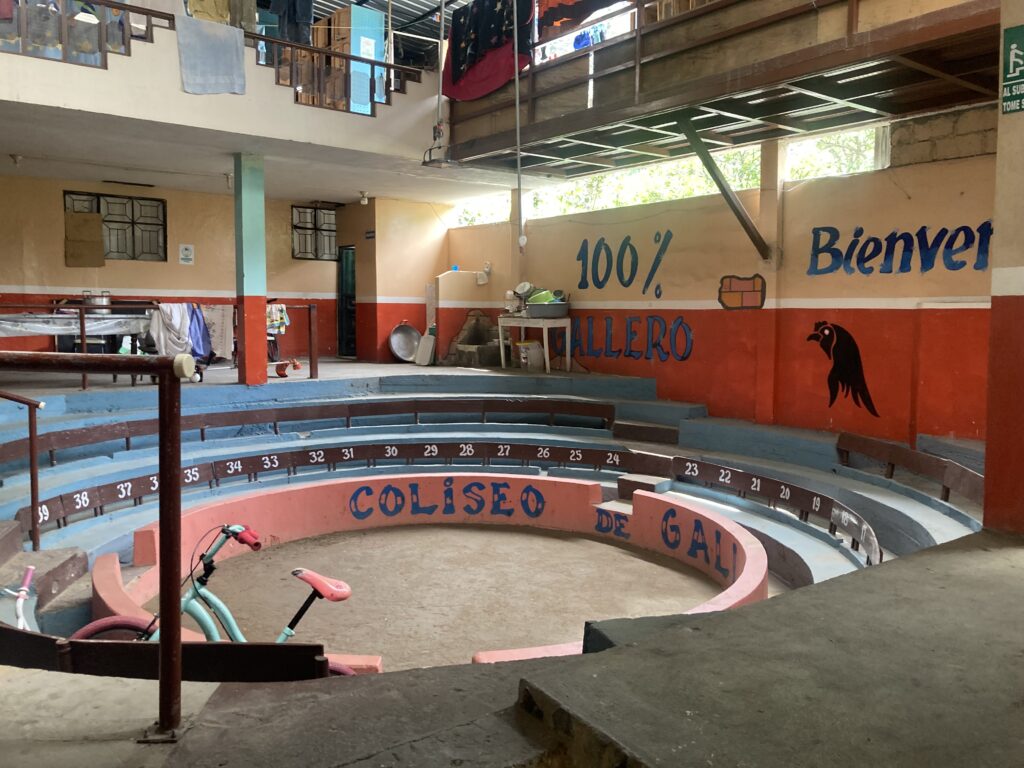
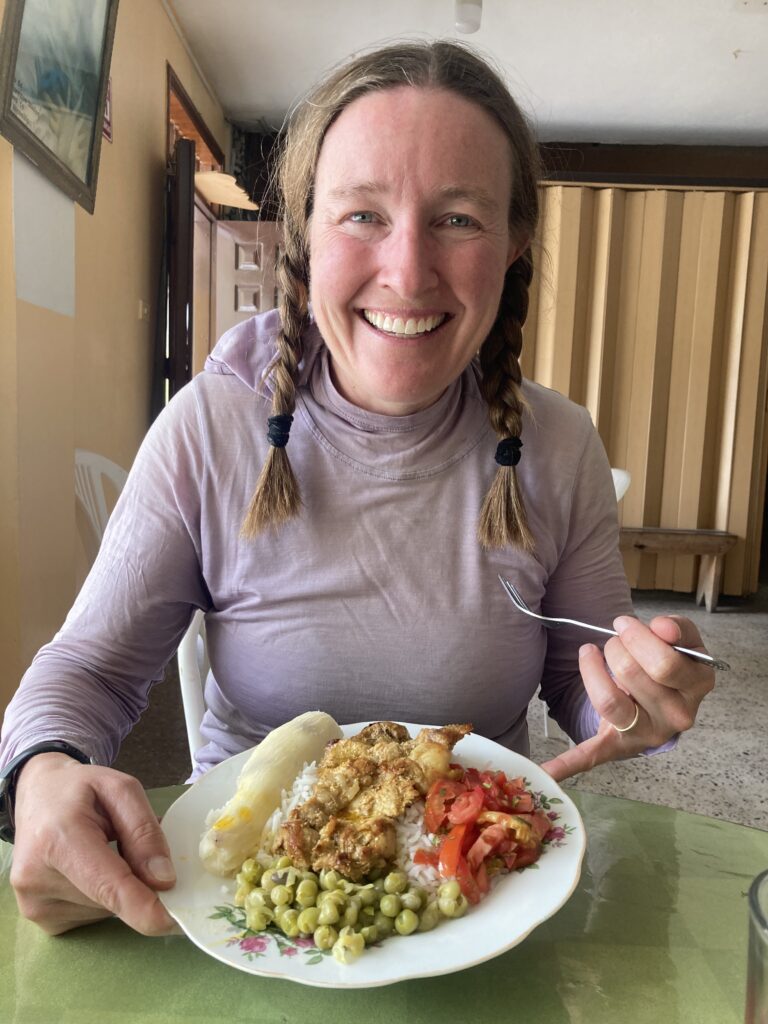
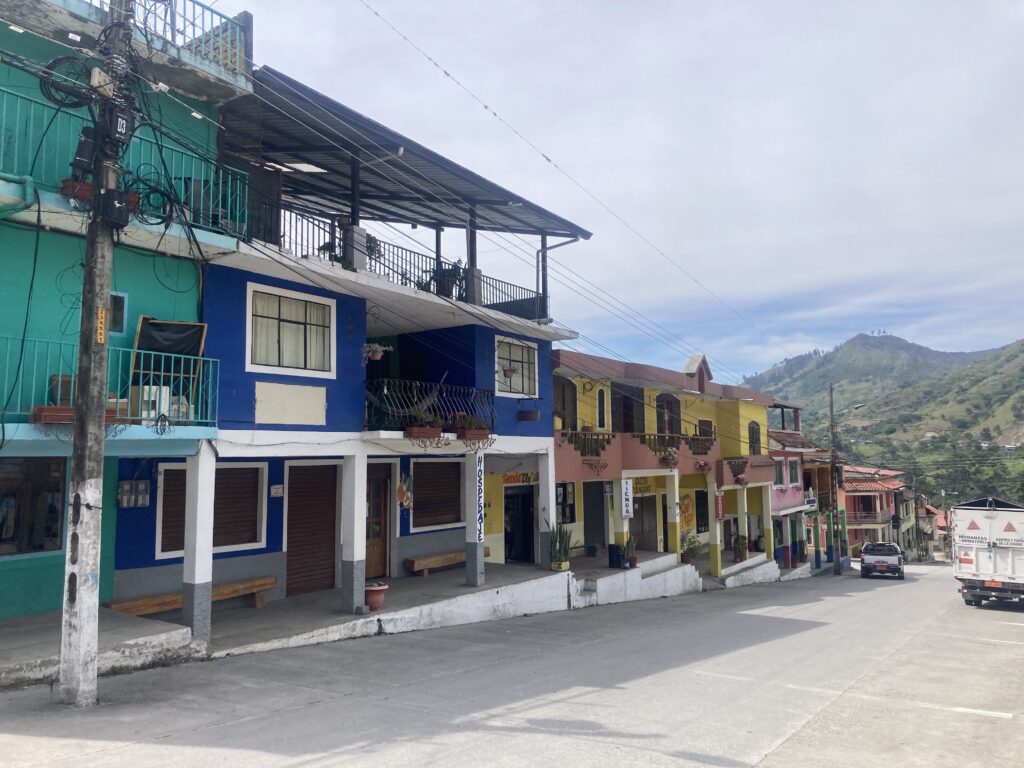
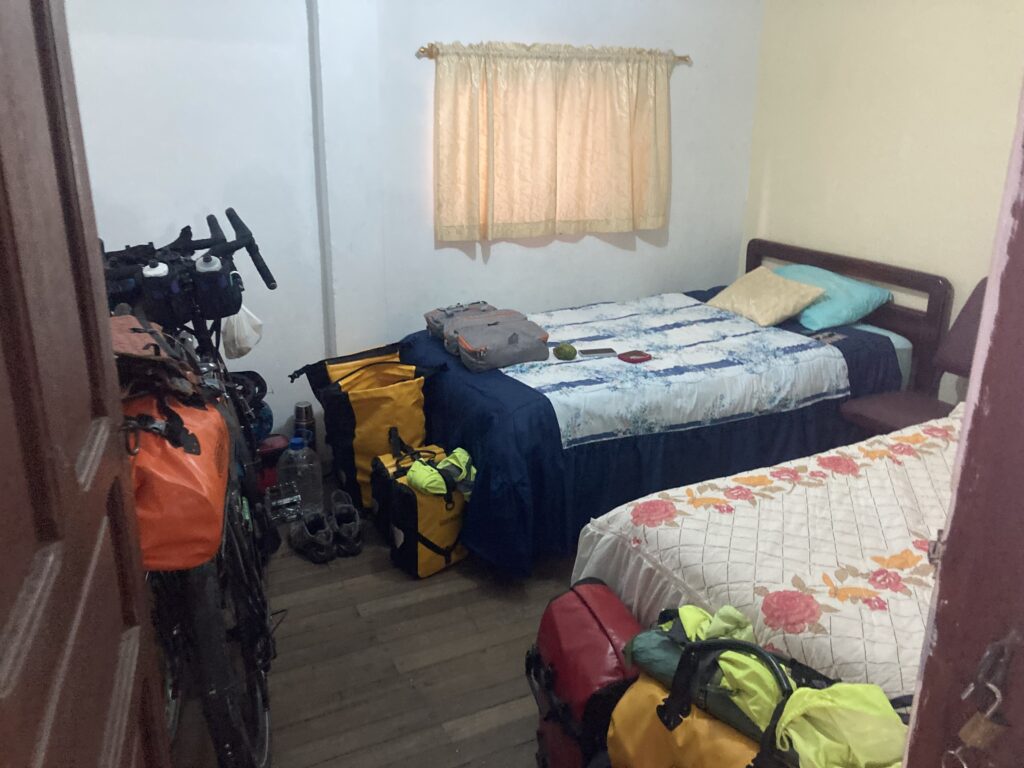
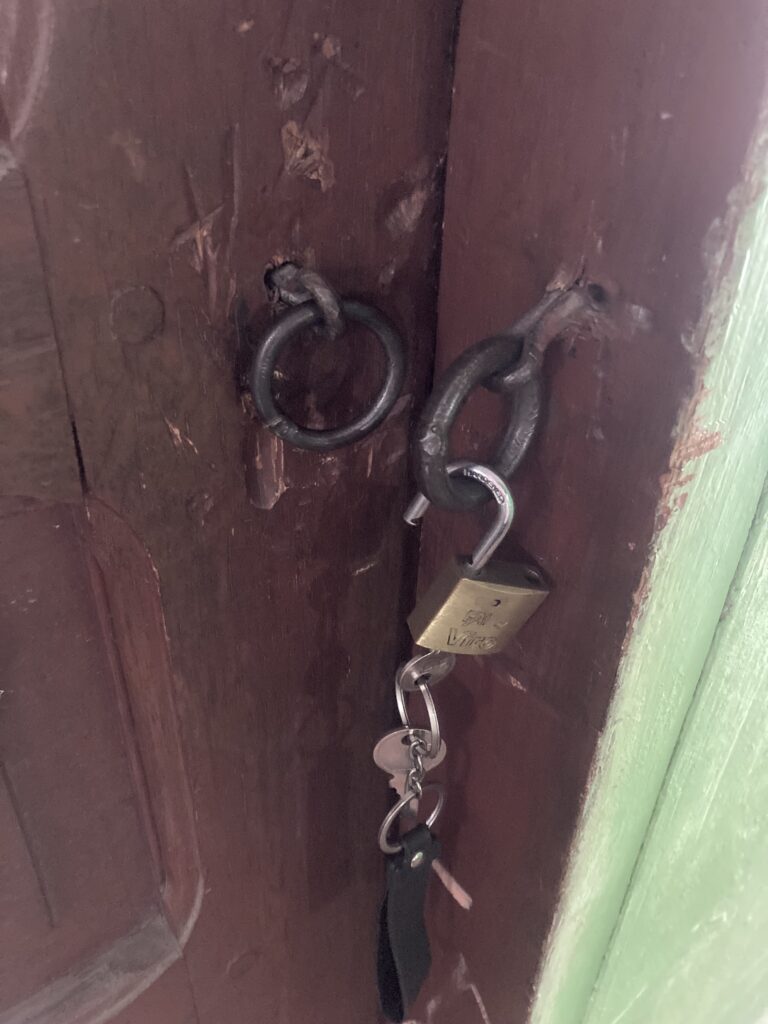
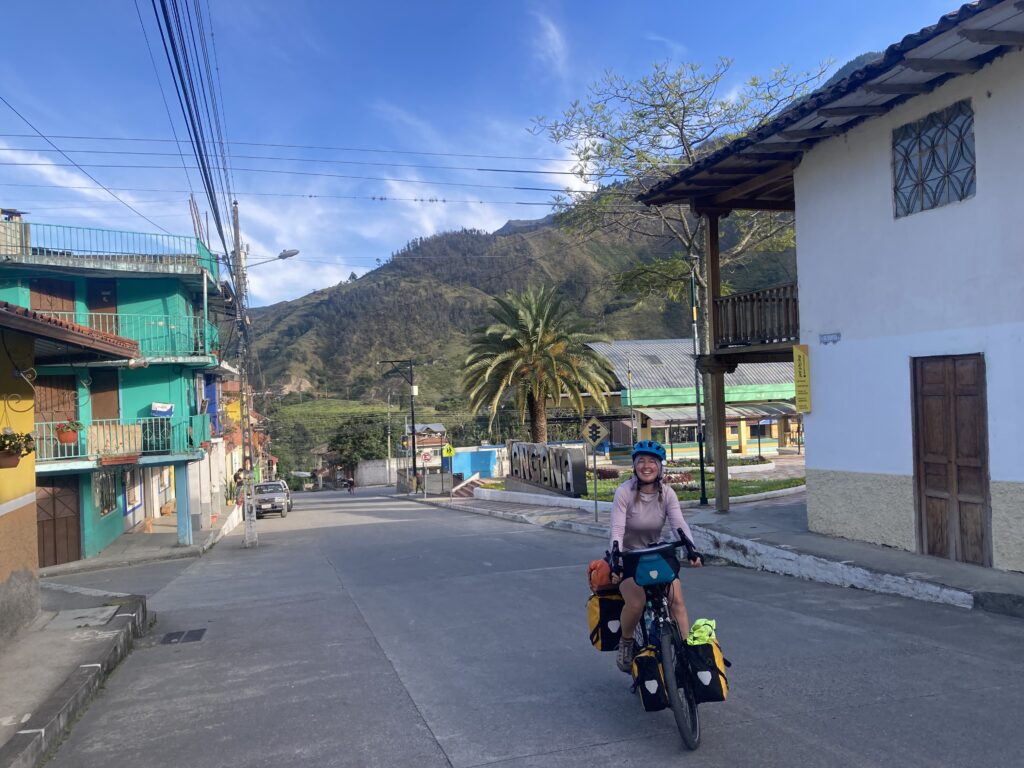
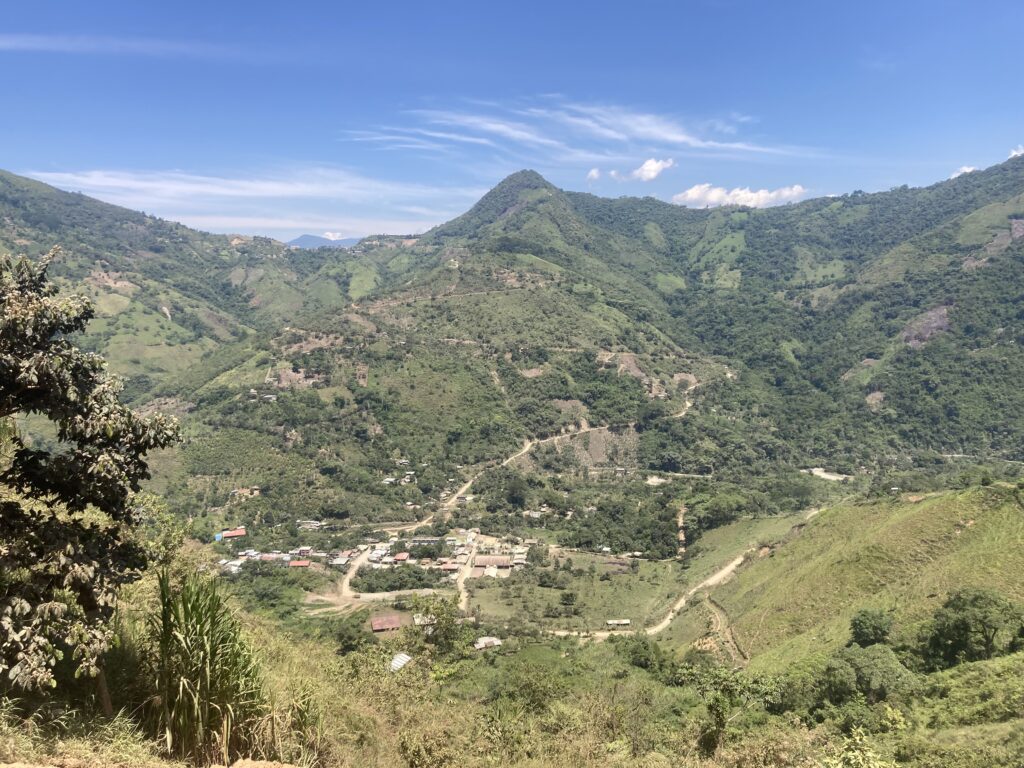
Southern Andes view – maybe mining down there…Views for miles & still many landslides – thankfully the traffic is super light. Town square with las latras in Yangana, Ecuador (population 1,500). A cock fighting ring – we’ve seen people transporting these sport animals since Mexico but had yet to see an actual ring…well right next to our lunch spot we found one! Second course of lunch – first course was a big bowl of soup. Street scene in Yangana – if you look at how the side walk meets the street you can see how steep this is. The blue building is our hospedaje. Our room for the night – safe, clean & out of the sun 🙂 The lock on the room was a bit different but it worked
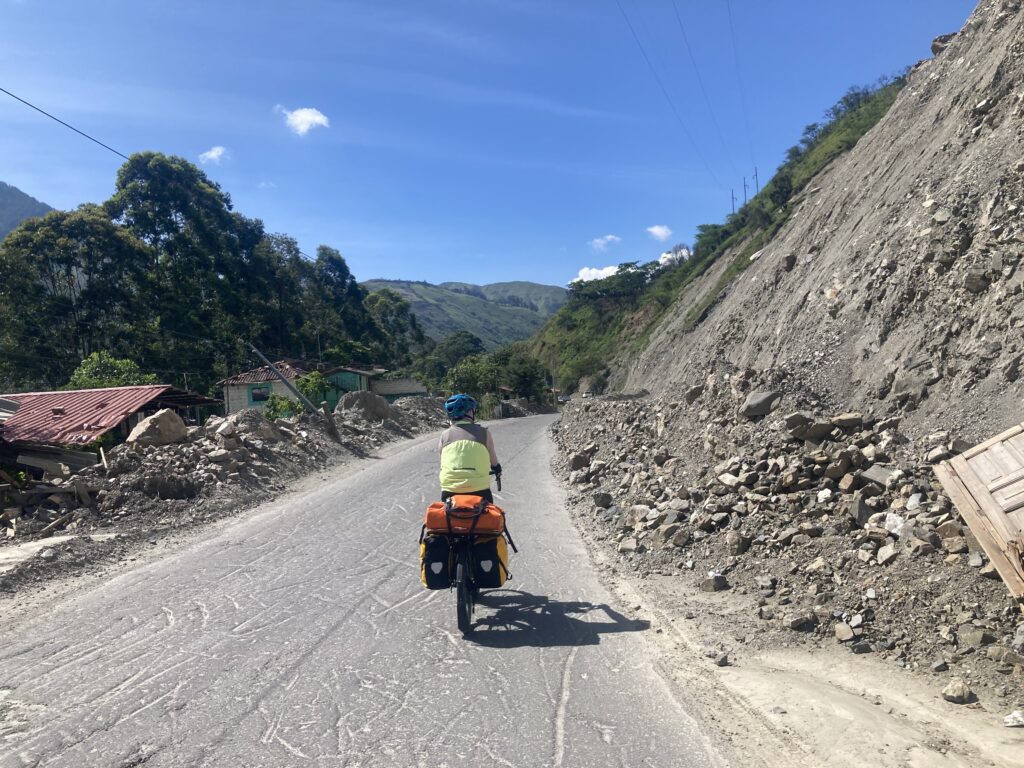
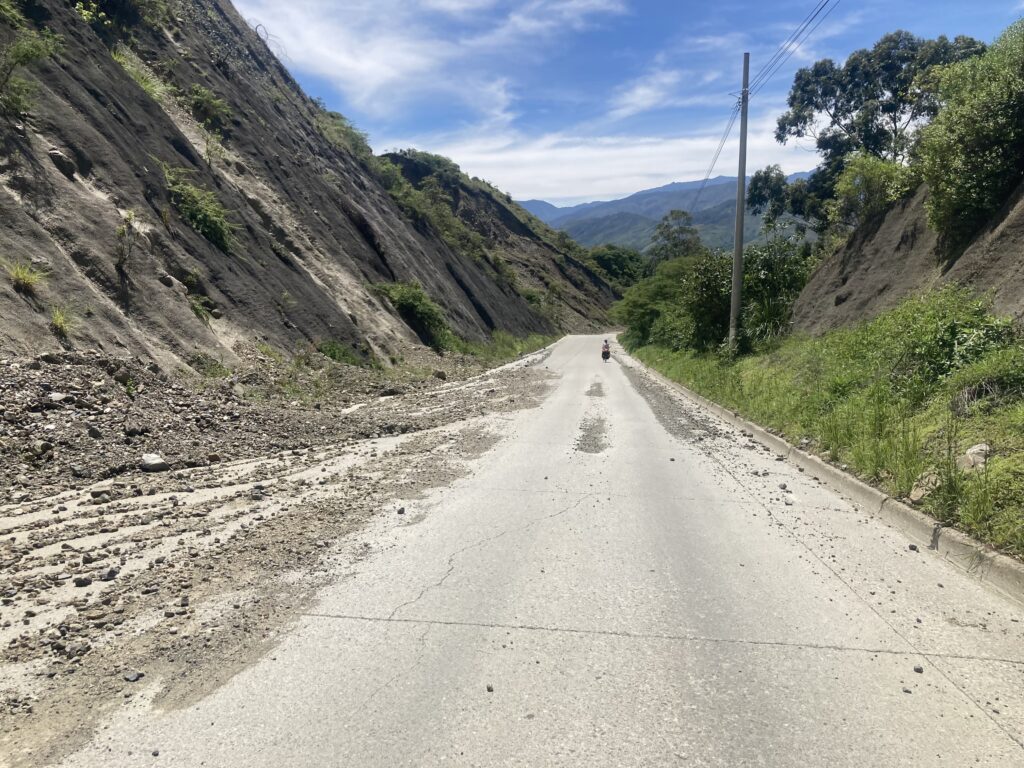
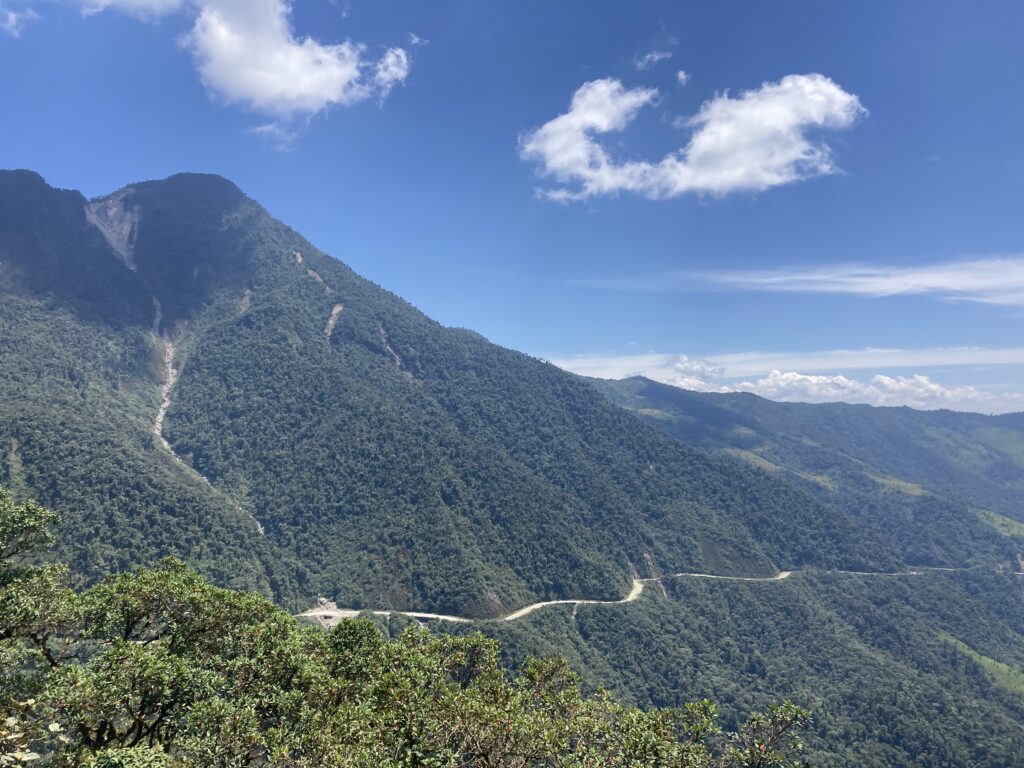
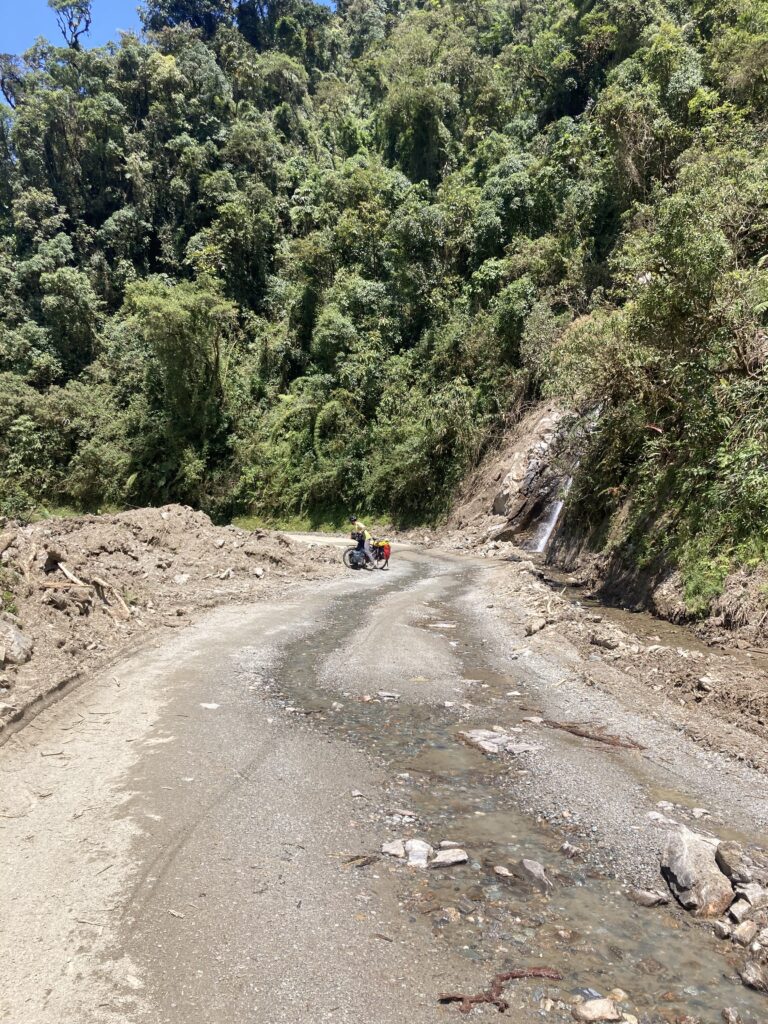
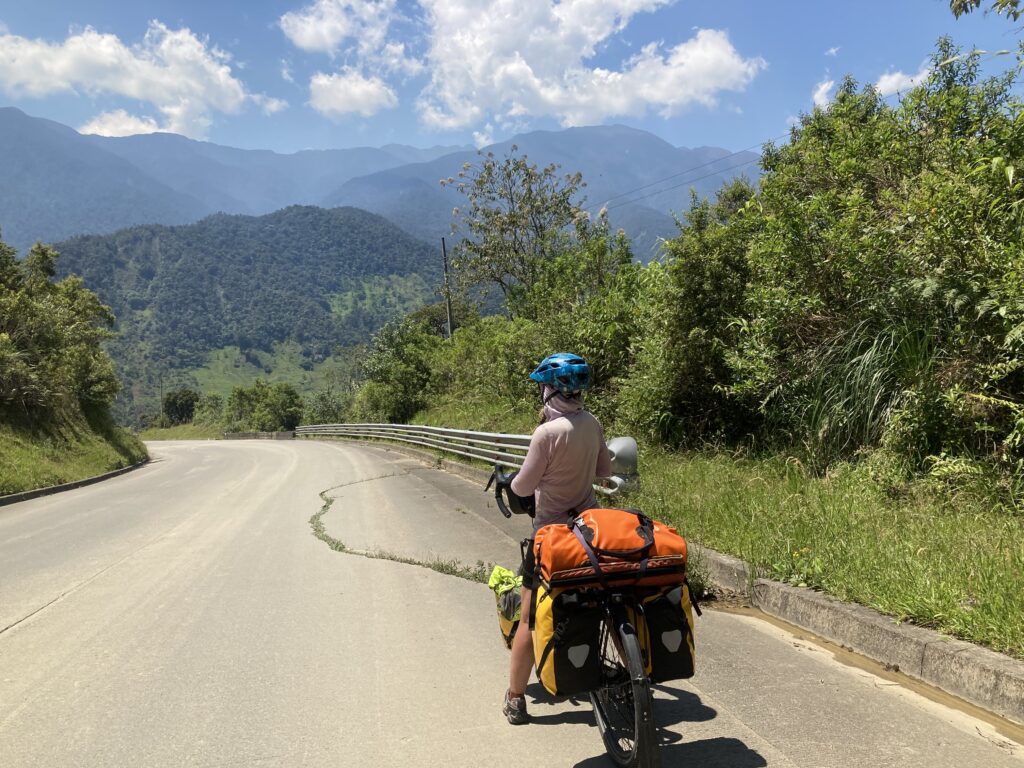
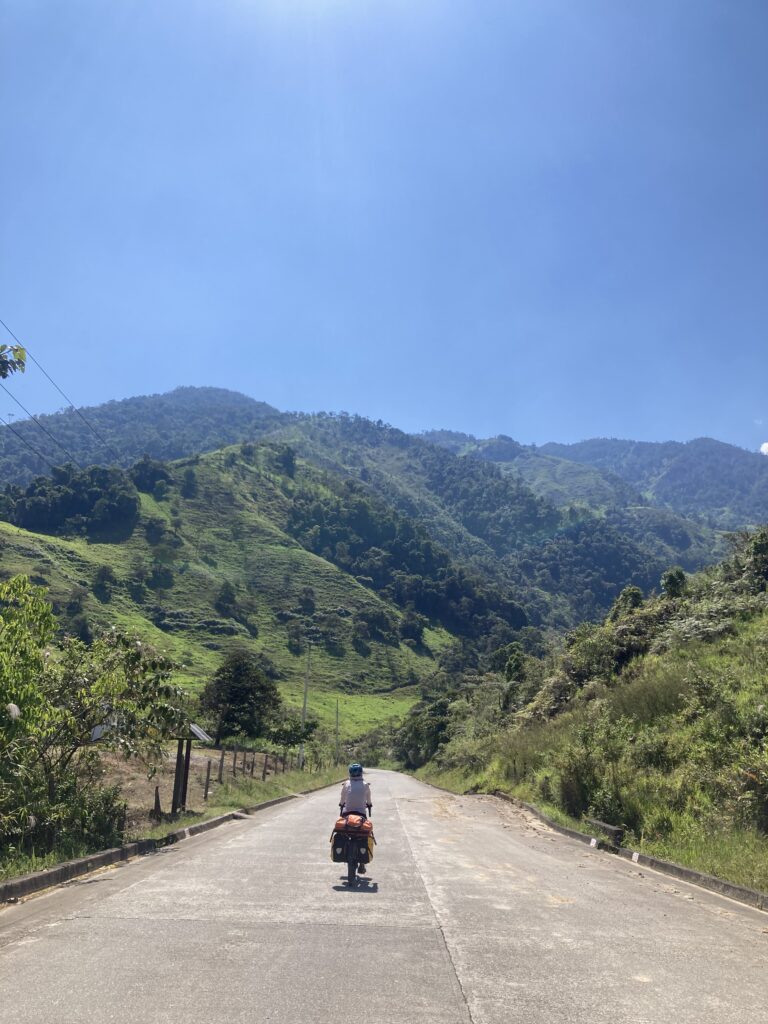
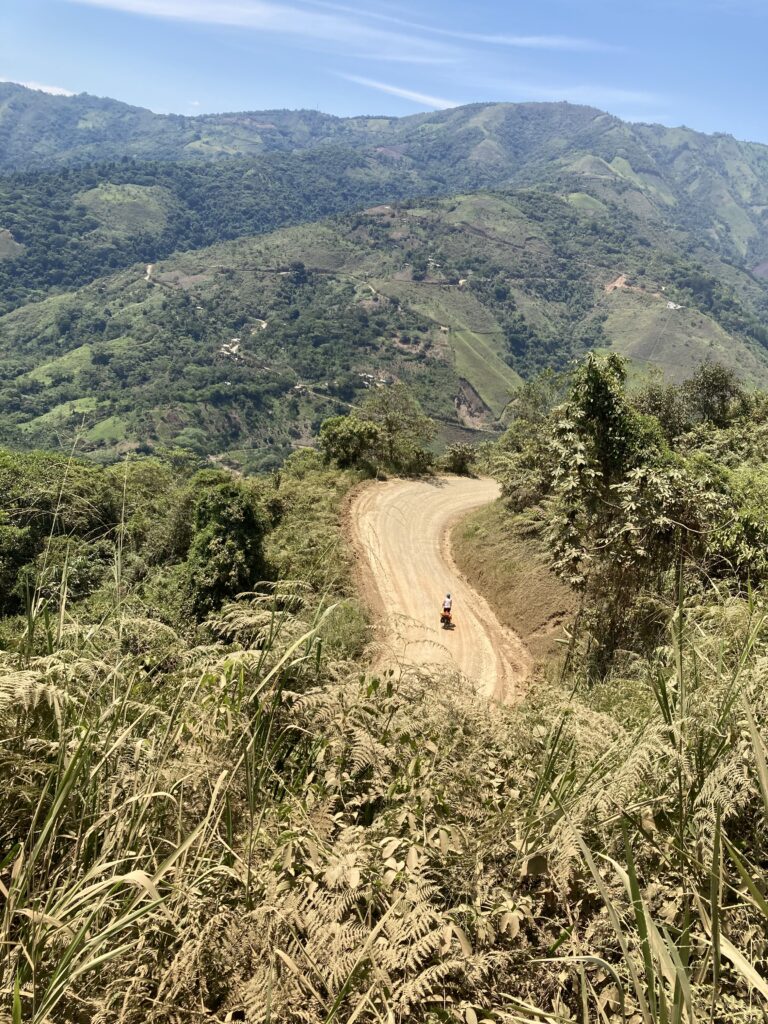
Palanda was our next stop but to get there required four more climbs so we set out early to try and beat the heat and sun of the day. It was another gorgeous day of cycling in the Andes but the sun was intense – Patricia applied sunscreen three times! The road south from Cuenca has gradually deteriorated – each day we find more and more landslides. There are so many landslides that most of them are simply ignored unless they completely block the road. We’ve come to learn that piled up dirt with a few upright sticks and some yellow “Peligro”(danger) flagging is not to be ignored. Several places were steep drops off the side of the road without guardrails so we were very cautious with our riding and burned brakes all the way down the 25km descent.
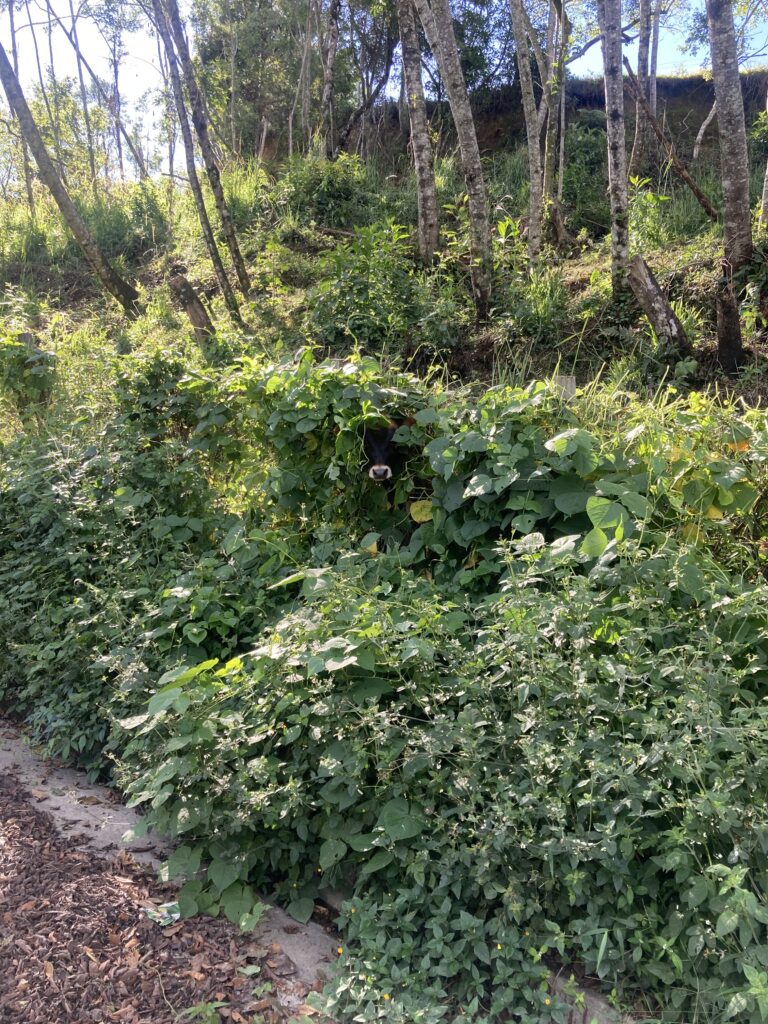
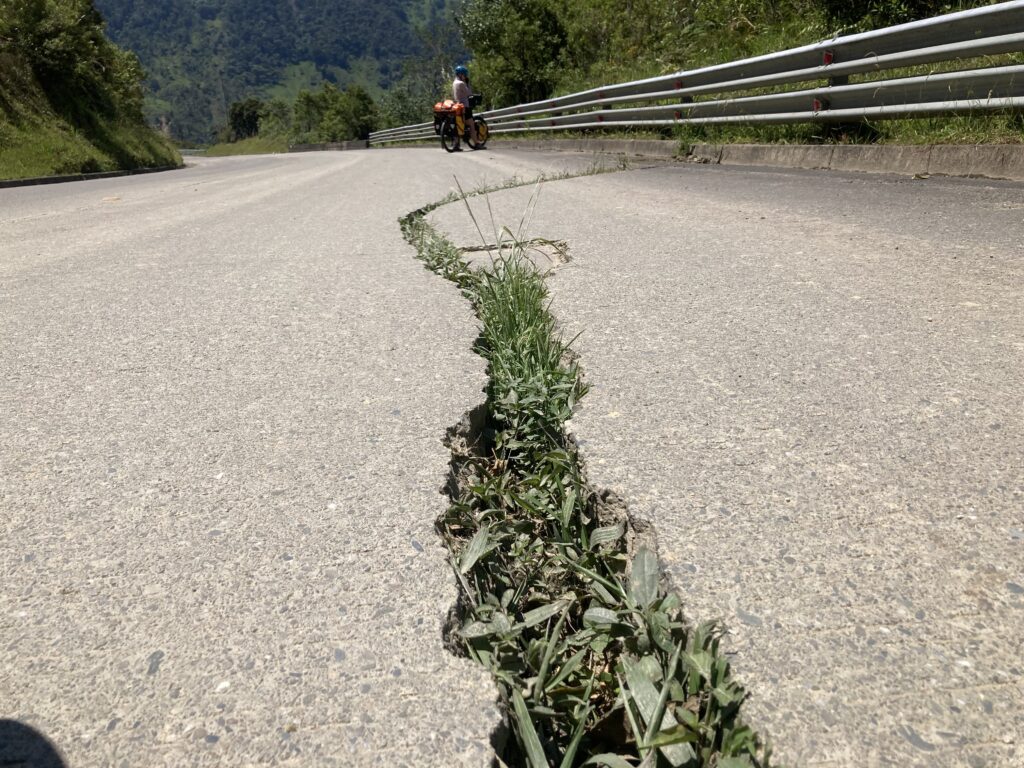
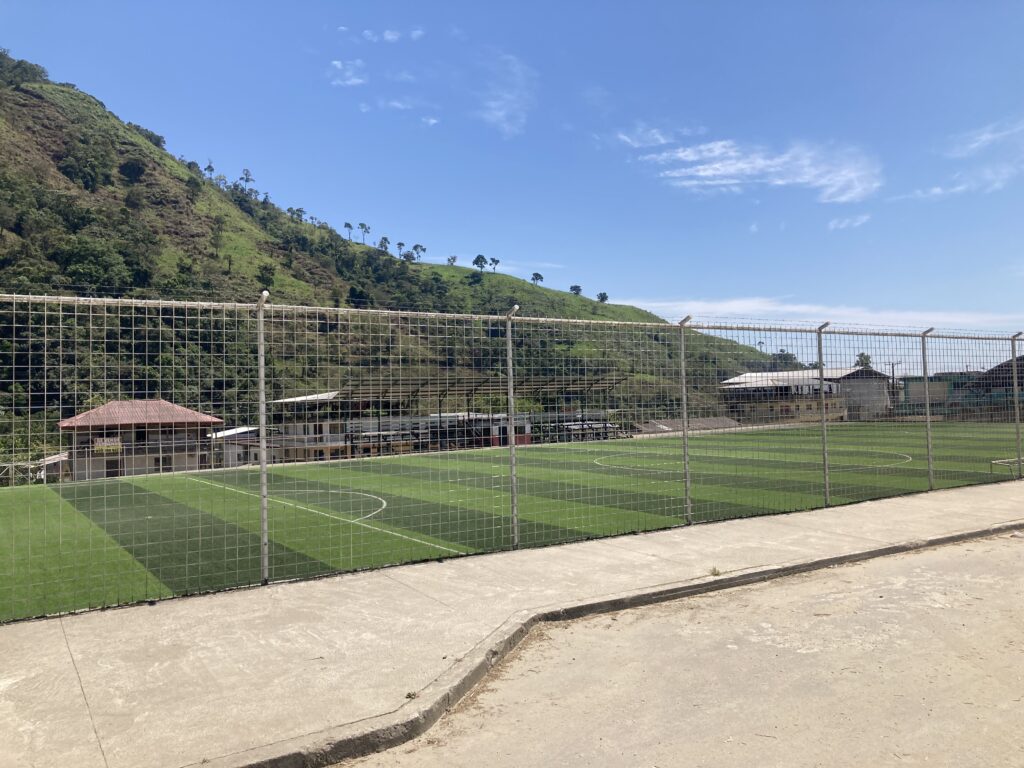
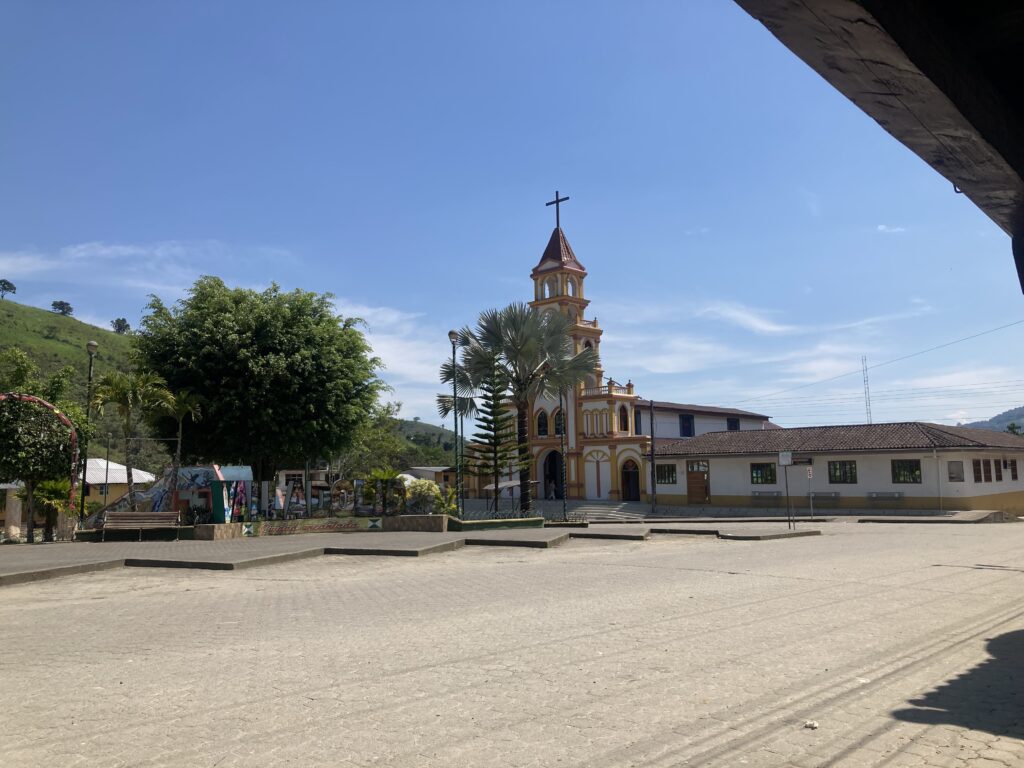
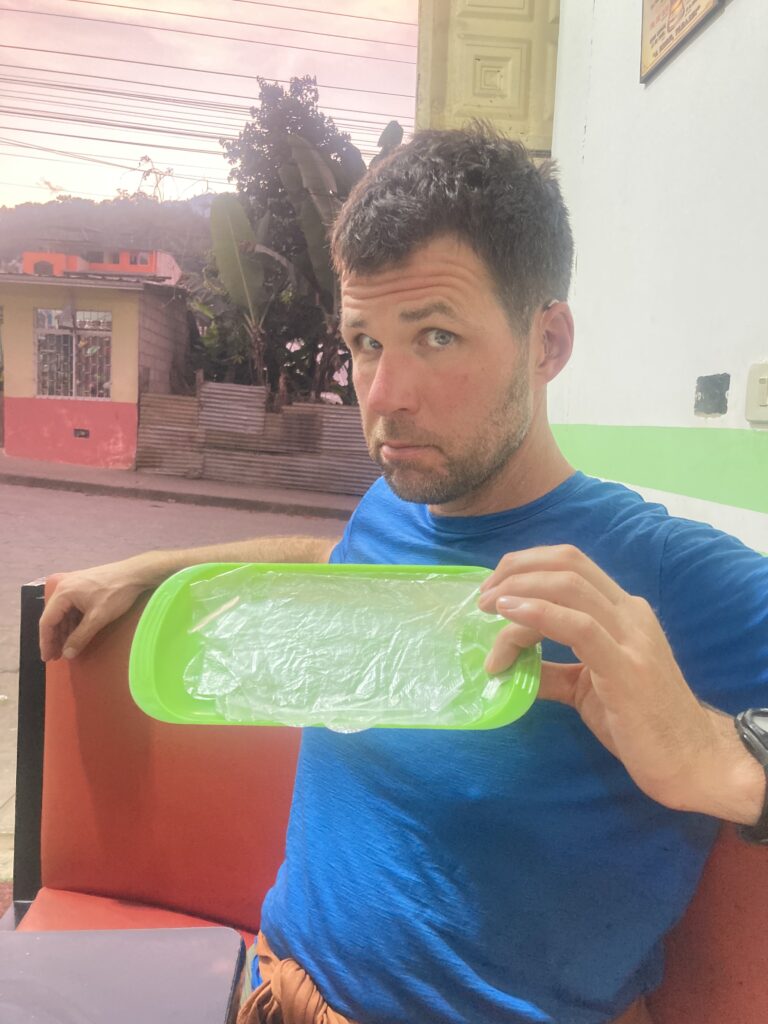
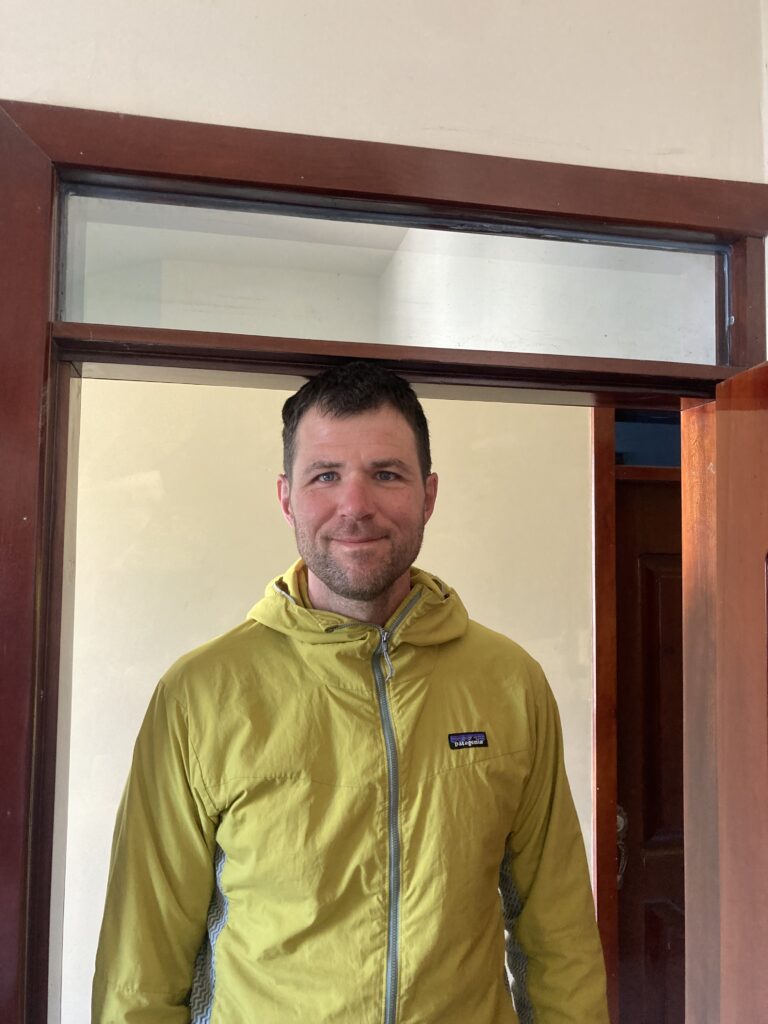
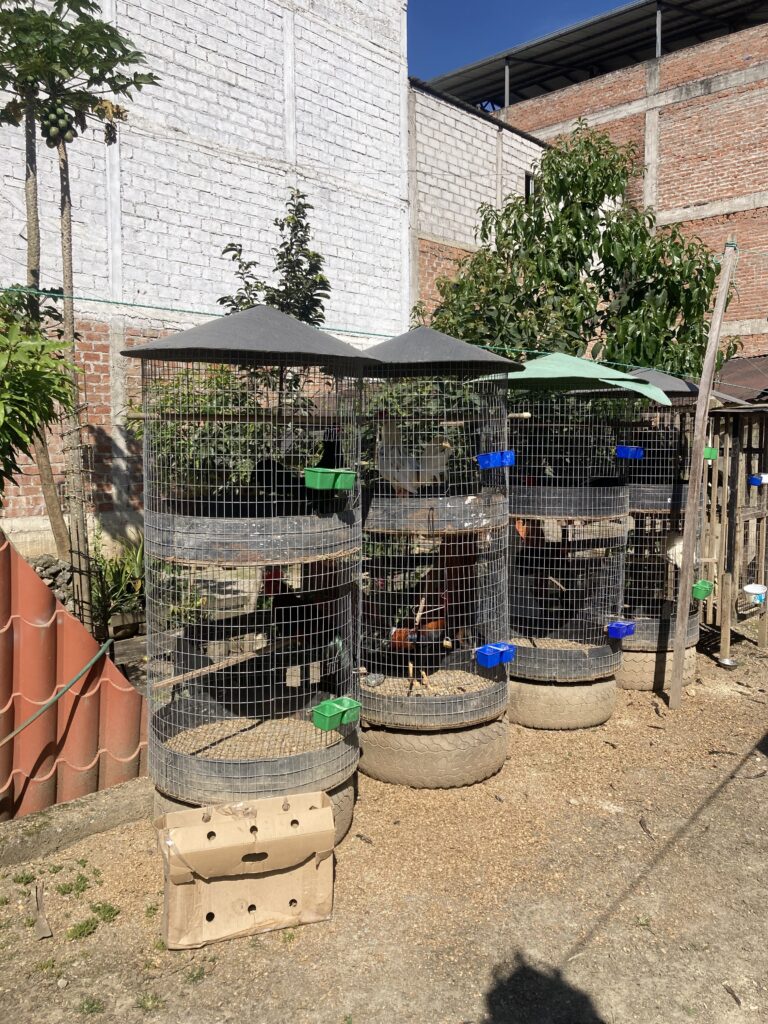
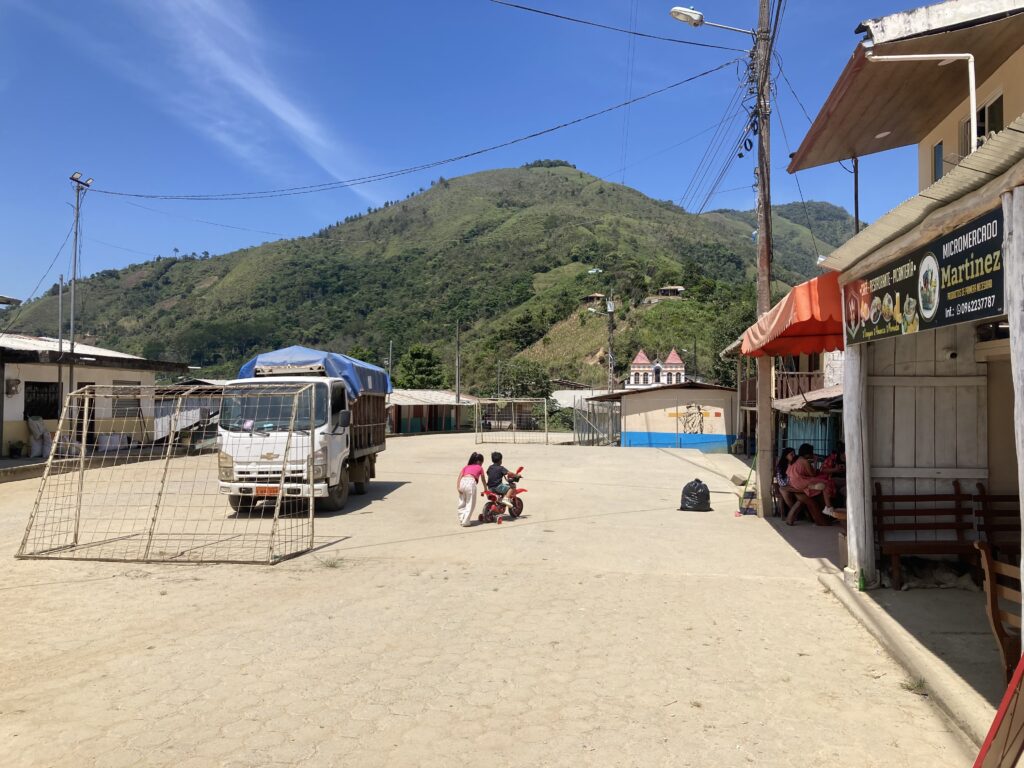
Rolling out of Yangana early hoping to do the hardest climbing while it’s still cool. Top of the first climb – break time!Can you find a cow in this picture – it was so cute we couldn’t resist. That’s our road & a huge landslide that started at the top of the mountain. The road got really bad in a few places – here water runs down the road and the dirt piled on the side is so we don’t run off the edge (except where Dustin is inspecting…one could easily run off the edge there!). A fellow cyclist that we met in Vilcabamba had crashed here causing a broken hand – he asked us to stop and take pictures. Close up of crash site – we’re assuming his wheel got into this crack & he went downSuper nice soccer (futbol) field in Valladolid – interestingly at our lunch stop in this town we watched the 2026 World Cup team sort into groups 🙂 Town square with church in Valladolid where we stopped for a lunch breakDownhill after lunch – after a huge meal we’d hate to have to climb immediately. We had dinner at a hamburger place…this isn’t the first time we’ve seen this…you get gloves with your meal. In this culture they are not used to eating messy food with their hands so they provide gloves 🙂 At 6 feet, Dustin is a wee bit tall for the area – this is the door to our room & bathroomThese caged roosters, presumably used for cock fights, right across from our hotel were SO noisy!
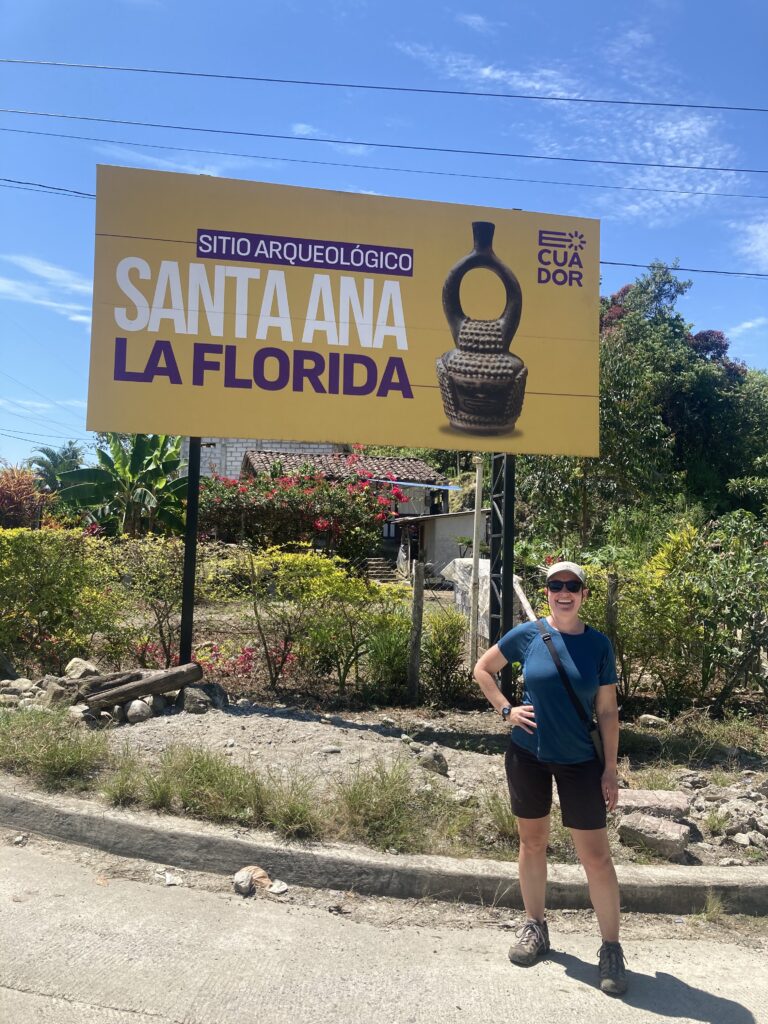
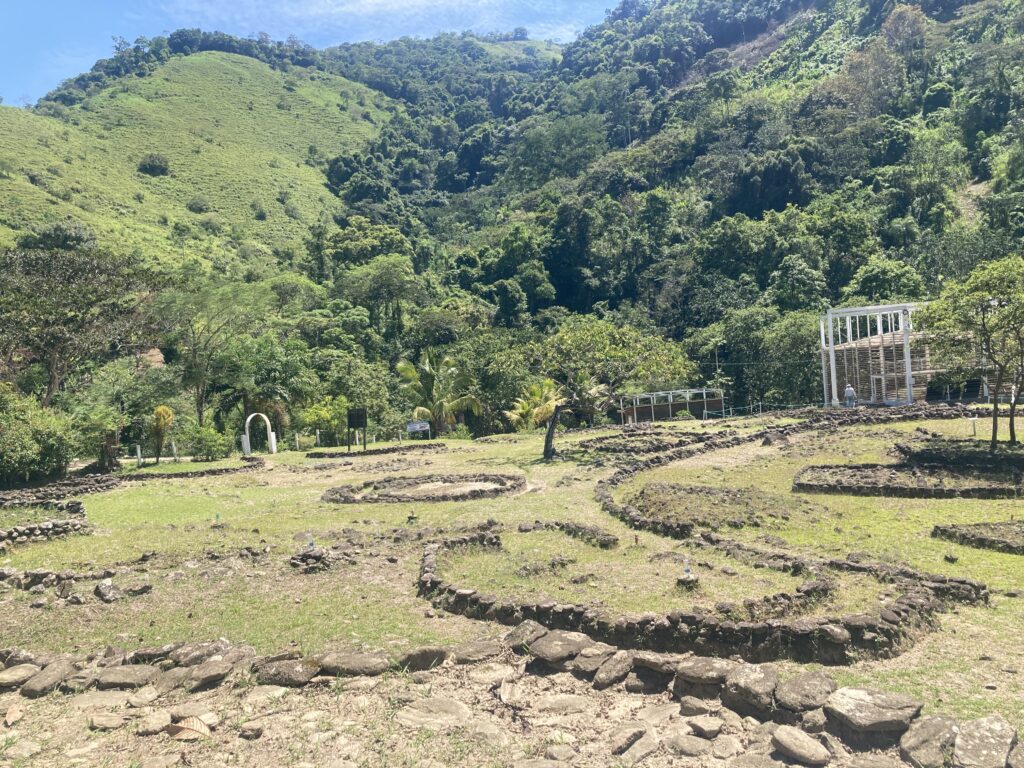
We stayed in Palanada an extra day because we had heard there was an awesome archiological site, Santa Ana La Florida, we could visit and wow – sure glad we spent the extra day. We had passed the site on our way into town the previous day but just did not have the energy to visit so after a good night’s rest (almost) we took a taxi from town to Santa Ana, a mere 5km away.
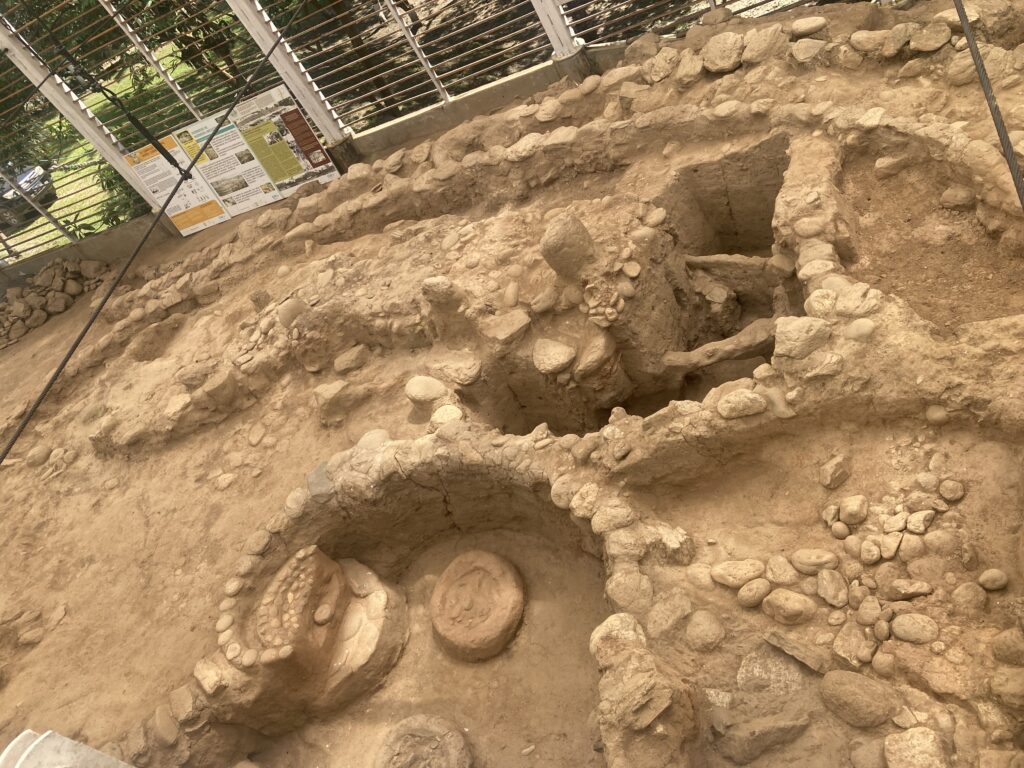
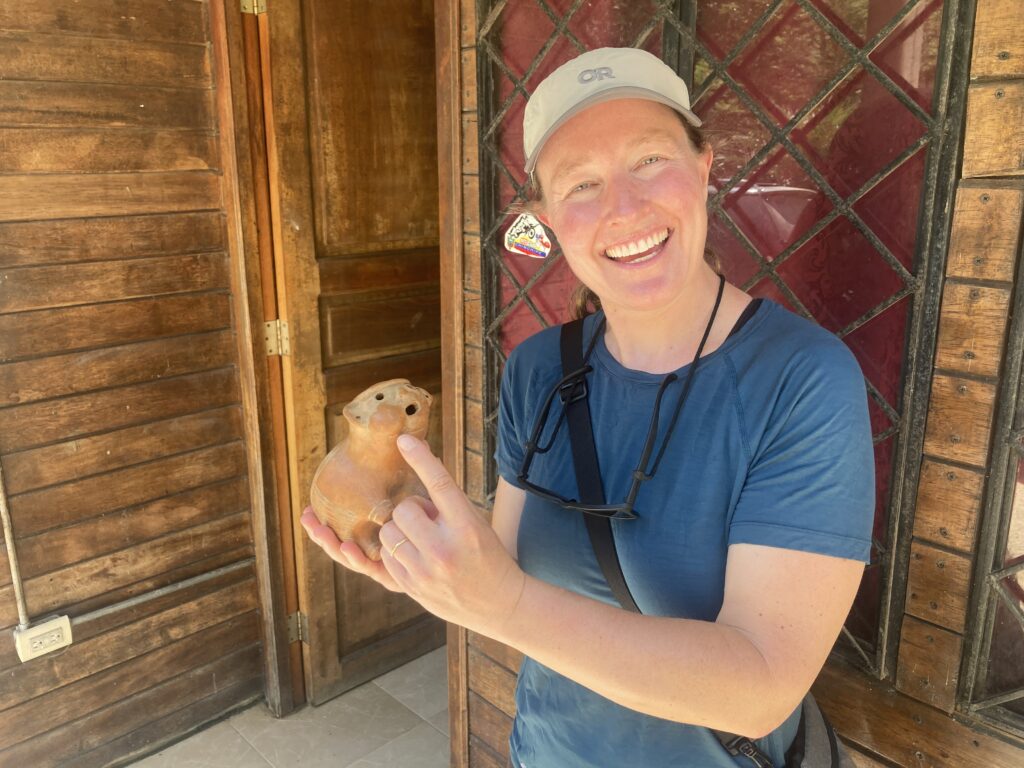
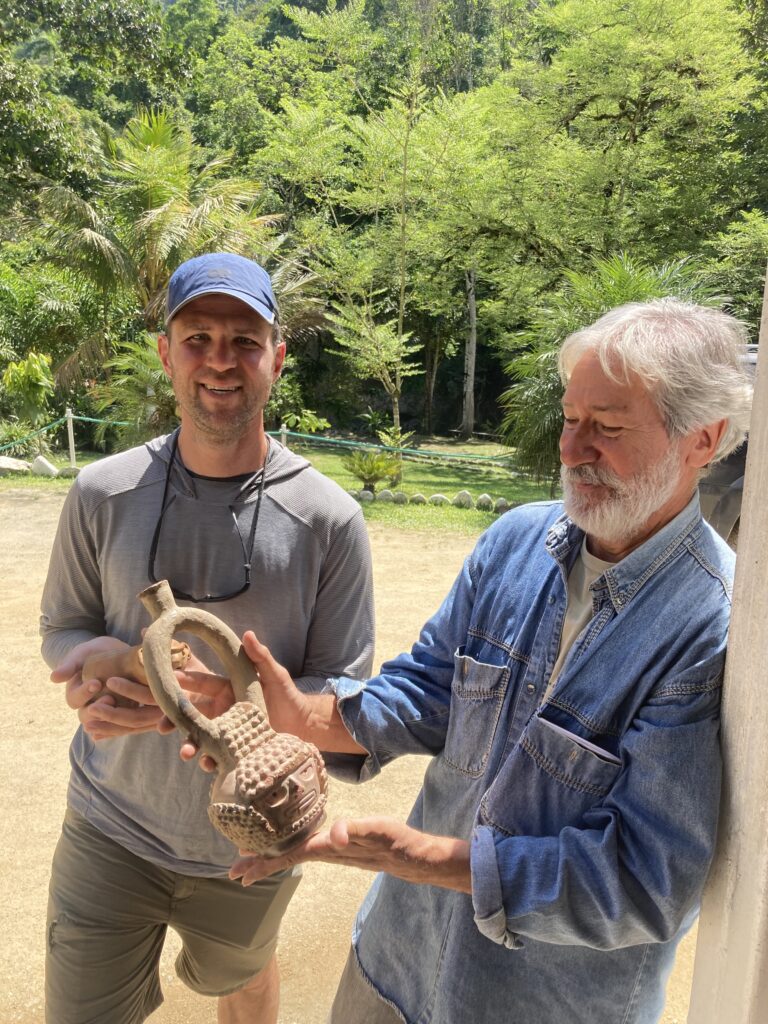
Dr. Francisco Valdez, a vivacious 70-year old “retired” archeologist, immediately greeted us and gave us a wonderful tour of the site in perfect English. We were super lucky to have caught him – two weeks previously he was presenting research in India and two weeks from now he’d be in France for the Christmas holiday. Santa Ana was a ceremonial site used by the Amazonians 5,500 years ago and is one of the earliest places where cacao is known to have been cultivated. The site is right along the Rio Mayo which eventually flows into the Amazon. It was so interesting to see a live archeological site where they are still unearthing artifacts & figuring out what may have happened in this area so long ago.
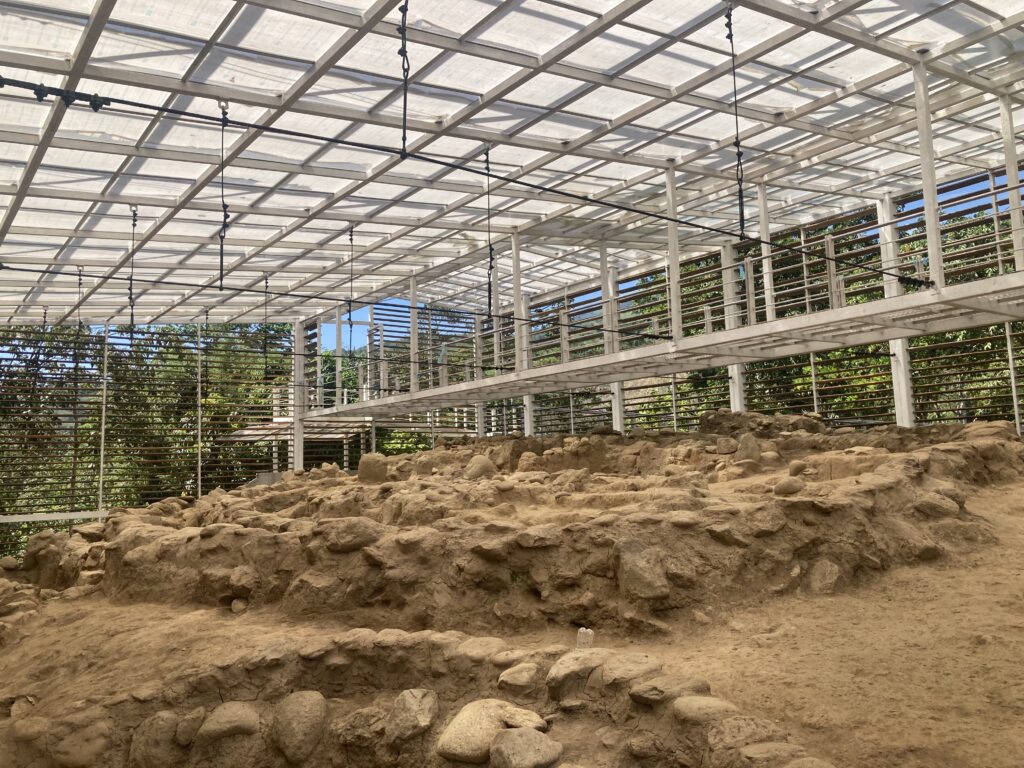
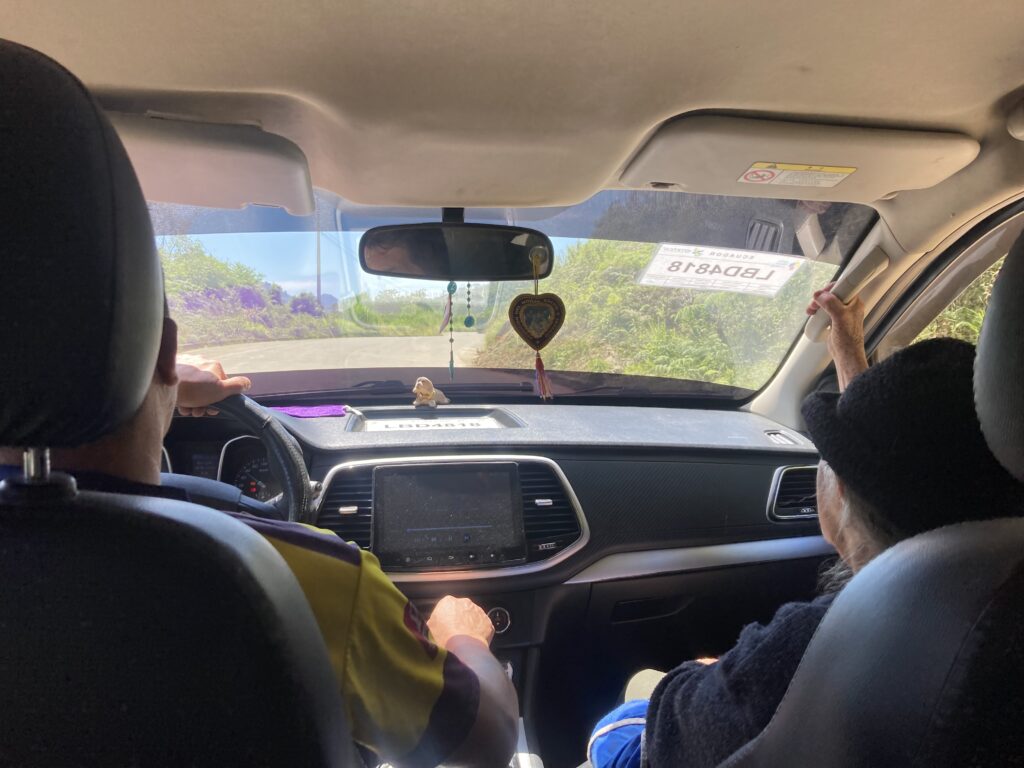
Sign along the road leading to Santa Ana – bikers have been welcome to camp here as well. Foundations have been unearthed for housing and ceremonial areas.The temple being unearthed has revealed precious artifacts & burial sites (top view of temple) Side view of the temple. You can also see what the government has built to protect the site – the louvered sides are to protect the site from debris from the river which floods the area. We were able to hold replicas of artifacts that were unearthed at the site – this is coca chewer (the wad in the cheek is coca leaves which are chewed for medicinal purposes)Dr. Francisco Valdez holds a replica of the vessel which held a fermented drink made with cultivated cacao – they were able to genetically verify it was cultivated cacao and establish this area as the earliest archeological evidence of cacao use (previously thought to have been in Mexico).Our our way back to Palanda after visiting the archeological site we flagged down a mixto taxi/truck. It already had two unrelated passengers but there was room for two more so the driver stopped for us. When we got to town we asked the driver how much and we were shocked when he said nothing – we’re not sure how these are exactly supposed to work so we gave him a nice American tip 🙂
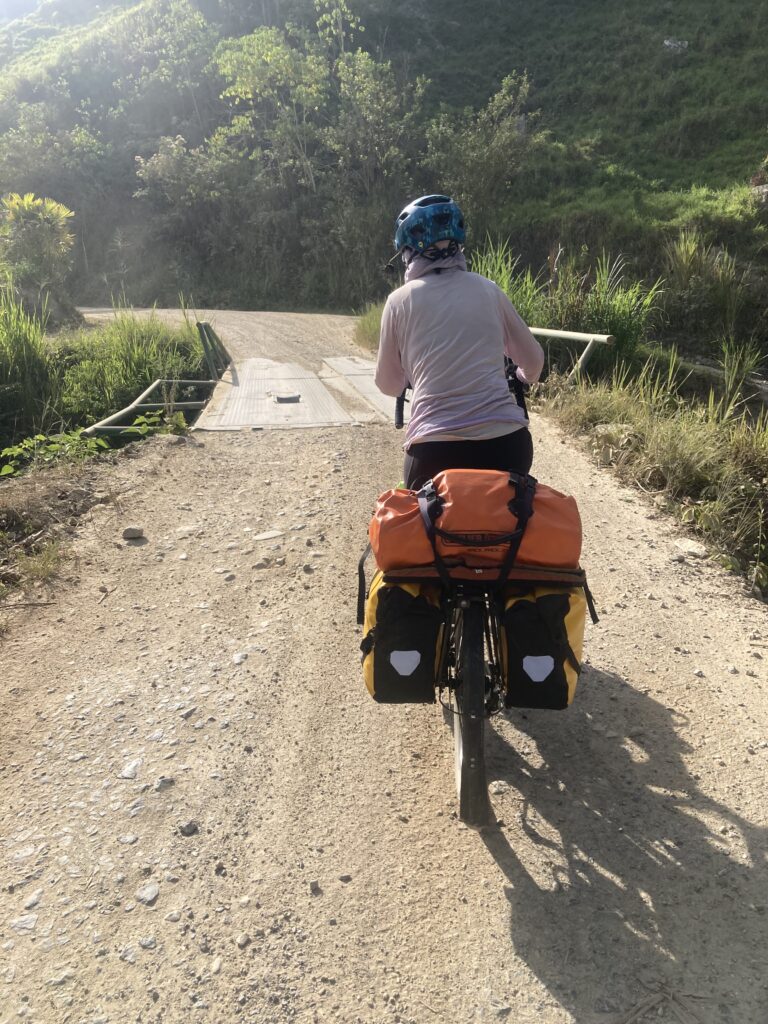
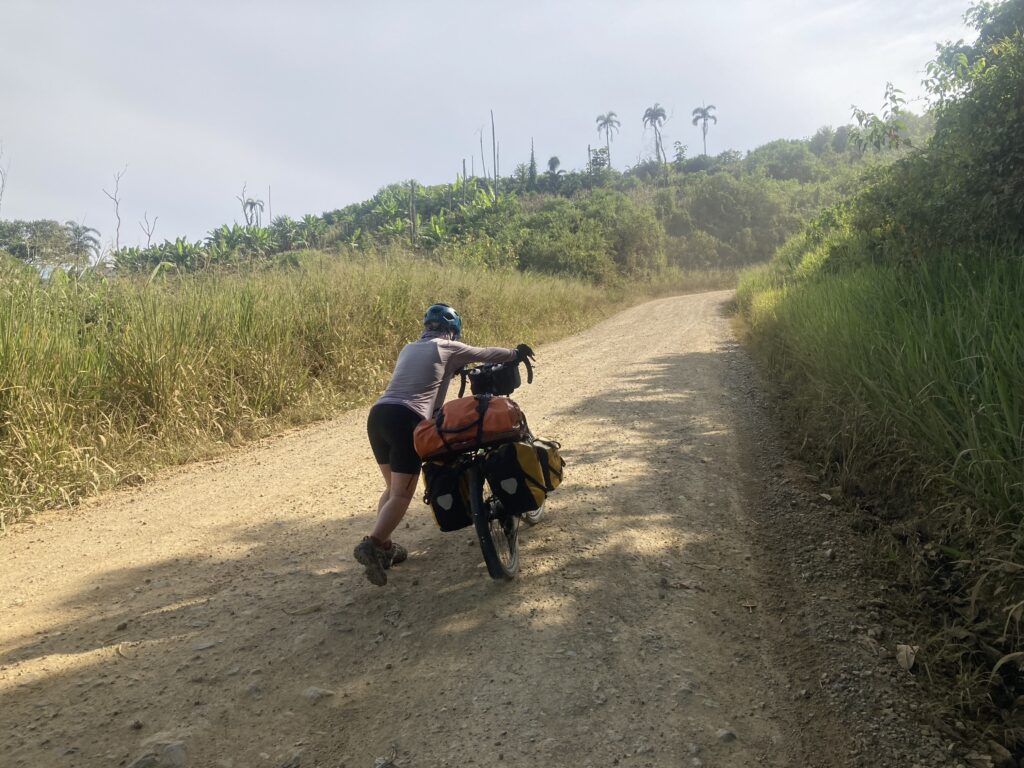
Our bicycle ride from Palanda to Zumba was quite the challenge. The pavement ended about 20 km south of Palanda and we encountered some very steep sections (up to 16% grade) on loose dry gravel. Needless to say there were many sections of hike-a-bike. Pushing a fully loaded touring bicycle up steep grades on dusty loose gravel in extreme UV index conditions is not for the faint of heart.
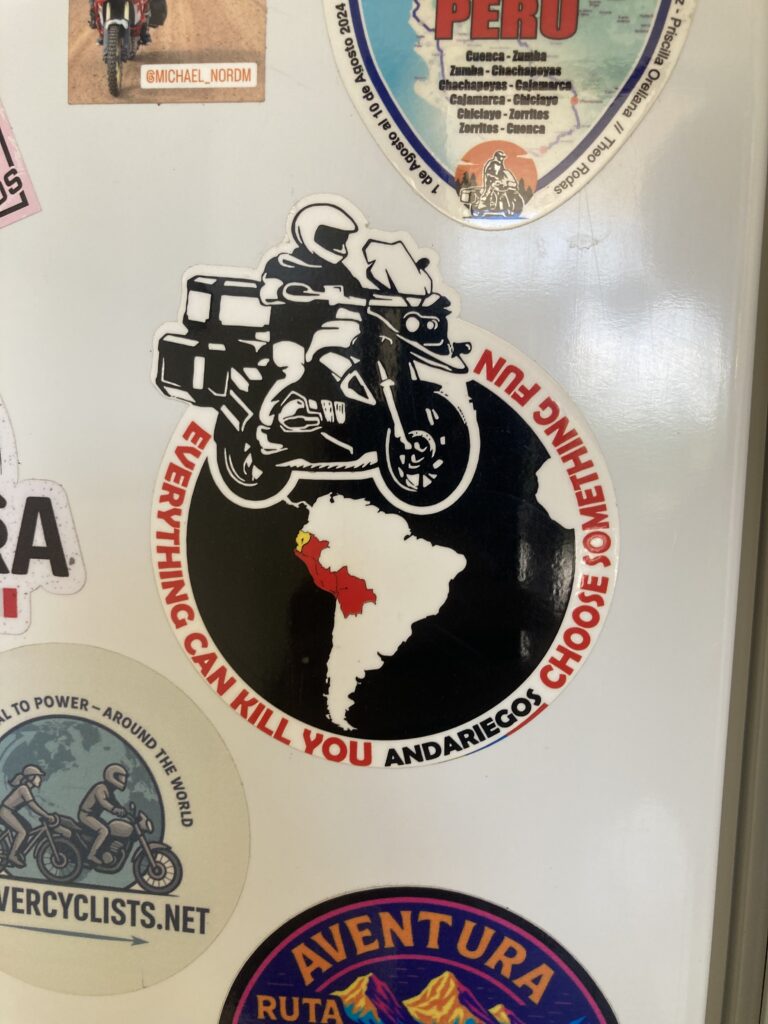
By the time we had reached Zumba we were drenched in sweat and dusted with gravel – it’s amazing the hotel let us in but then the proprietor showed us all of the stickers from motorcyclists he has had as guests, he was used to the grime.
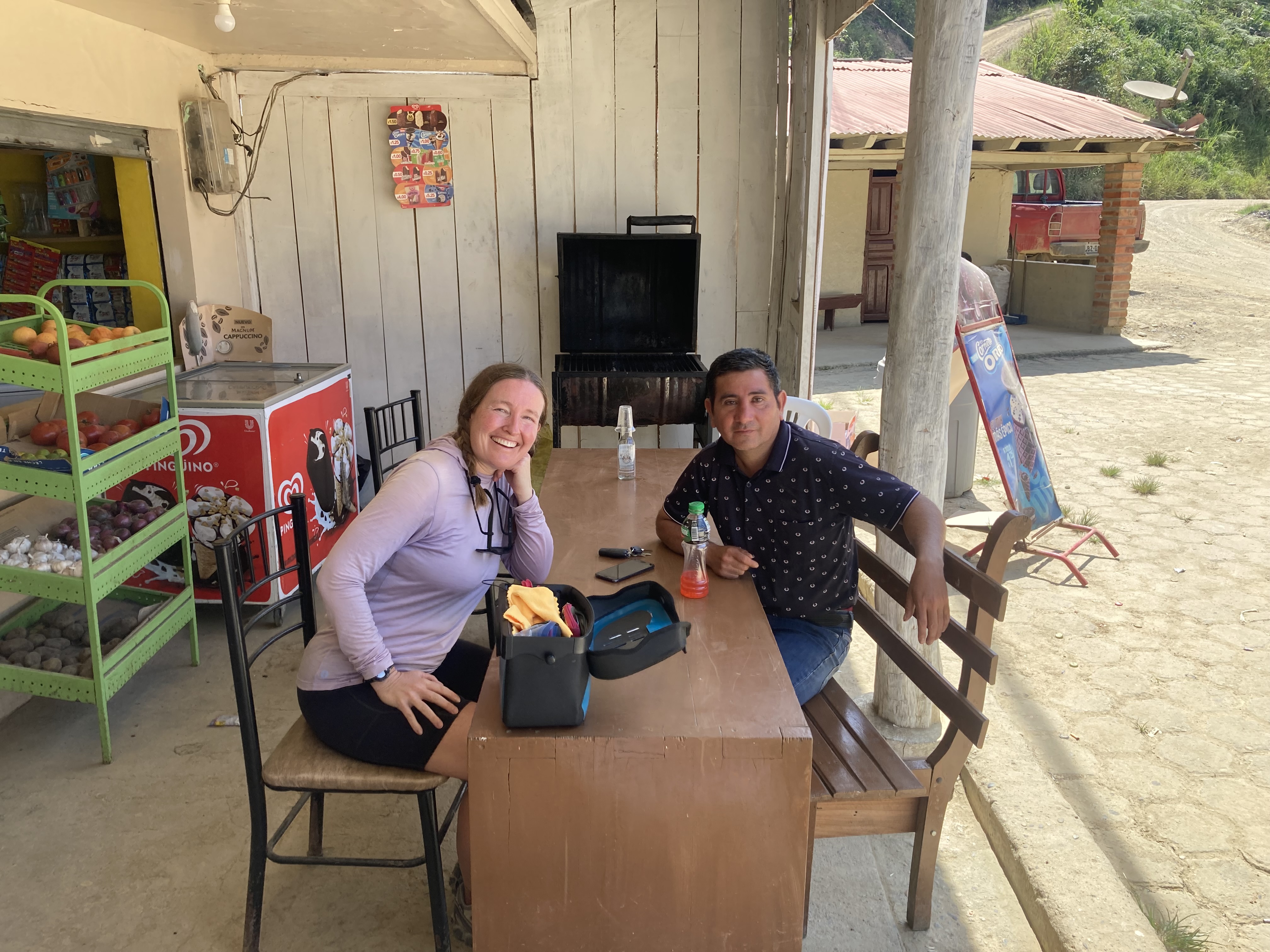
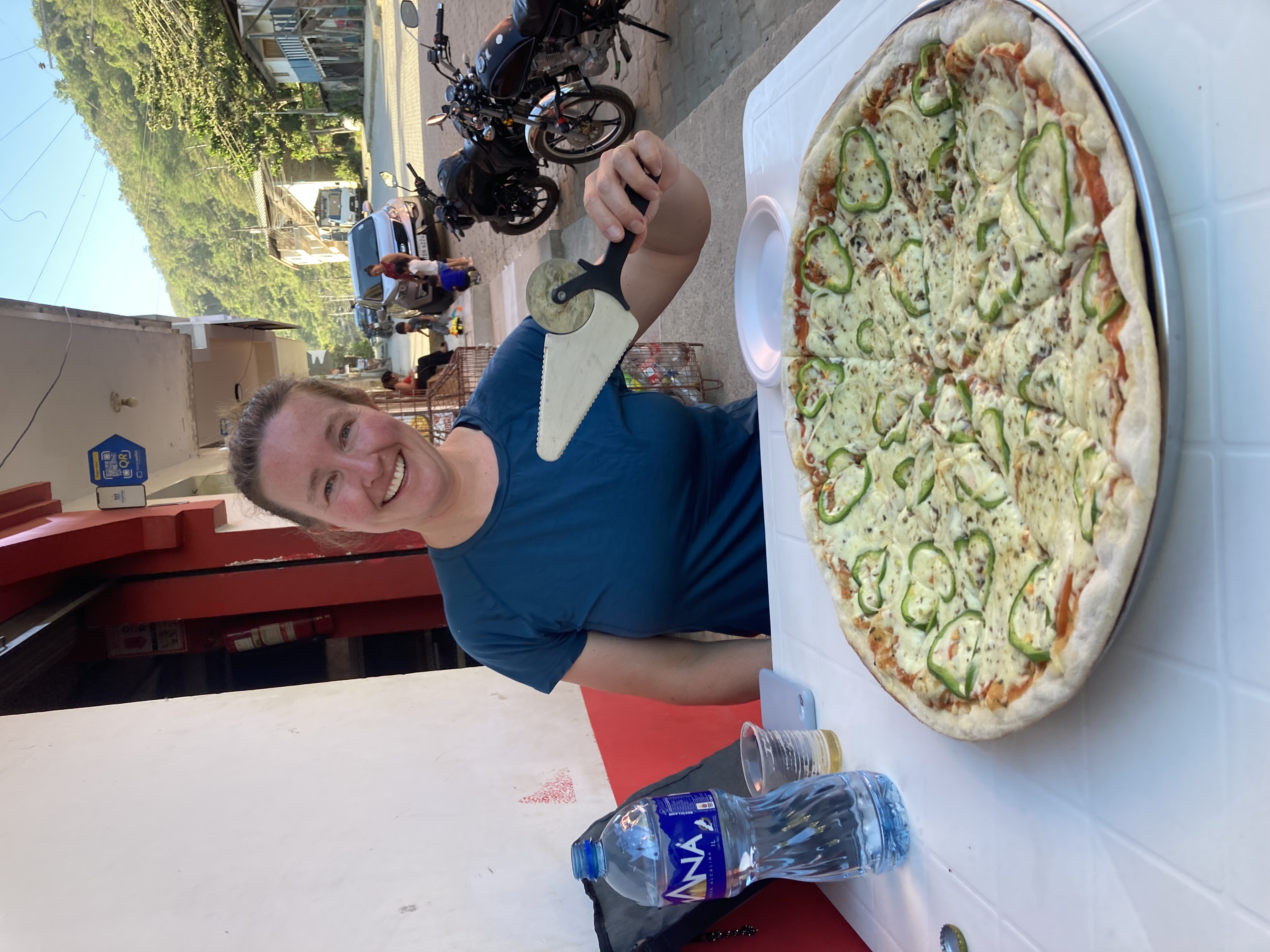
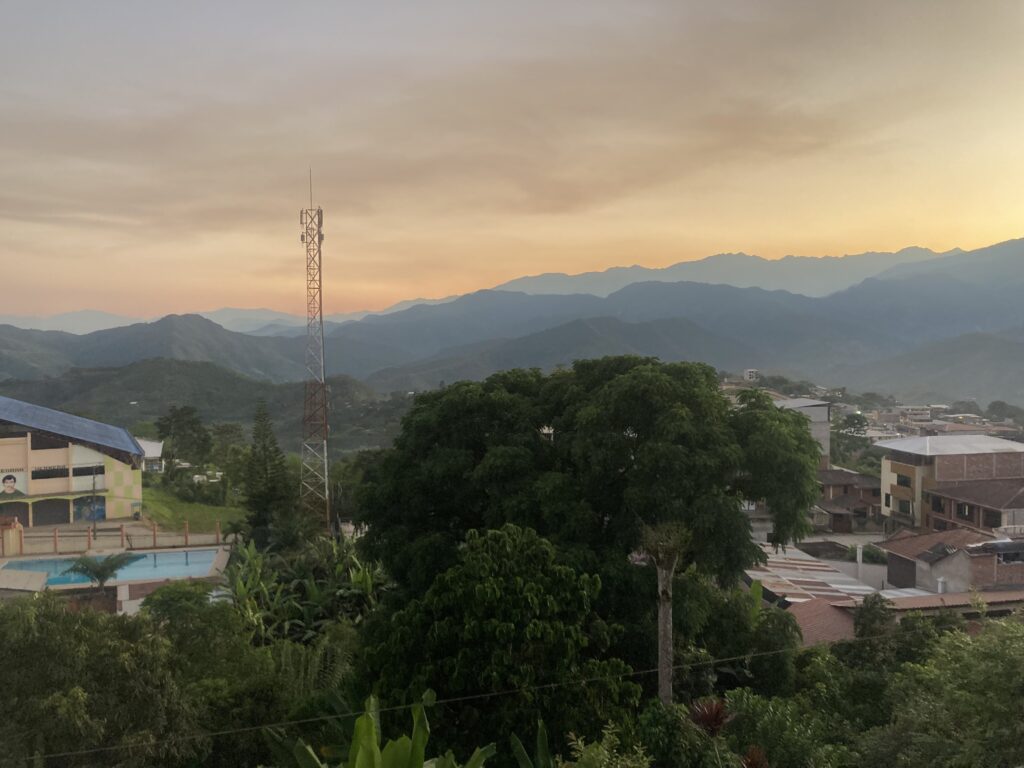
The scenery was gorgeous but it was tough going on dusty gravel roads with insane grades at times in “extreme” UV index sun. Don’t get too close to the edge Patricia! At a shade/rehydration break we met Darwin whose knowledge of geography was extensive & impressive – he was so curious about out travels. Later he and his son passed us on their moto and gave us a honk/thumbs up of encouragement. The town of El Progresso was built at the top of a ridge and they put the soccer goals right on the street for a flat spot to play. There goes Patricia on the downhill before a super hard uphill to Zumba.That’s the road we came down all the way from the ridge in center left of this picture. When we arrived at the hotel in Zumba we were filthy & soaked with sweat but so thrilled to be done with the ride. The hotel proprietor was proud of all the bicyclists and motos – many of these adventurers placed their stickers on the beverage refrigerator in the lobby.In Zumba we devoured an entire “familial” size pizza & had never seen a server/cutter combo kitchen utensil beforeSunset view from the top of our hotel in Zumba, Ecuador
The next morning in Zumba we had to force ourselves out of bed – we knew we had another tough day to the Peru border. It was a mere 26km (less than 16 miles) but took us about 4 hours to cover this distance. It was once again dubious gravel roads with some unrideable insane grades (now up to 17%) and even the downhills were slow going because of large rocks, washouts, and landslides.
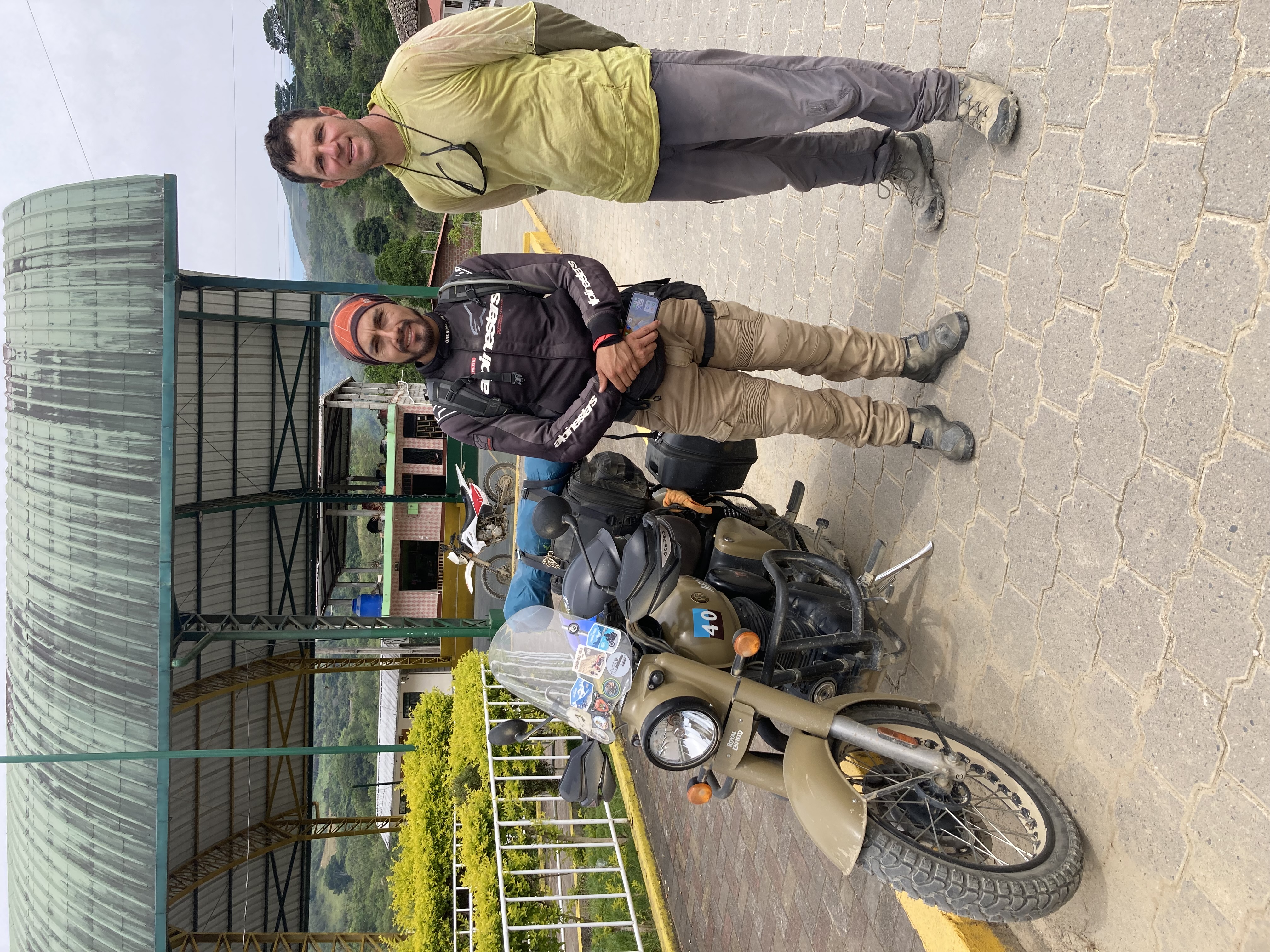
We had to carefully traverse the bridges because guardrails were damaged or missing as well as the deck of the bridge was missing sections.Hike-a-bike started early out of Zumba – some of the grades were so steep we could not pedal our heavy touring bicycles. We took a break after the first climb in this small villageWhile taking a break in one of the small villages on the way to the border we met Jonny – he is an Ecuadorian motorcycle rider who grabbed his expired passport (instead of his current one) and was turned back at the Peru border – he was sure glad he didn’t have to go back for his correct passport on a bicycle!
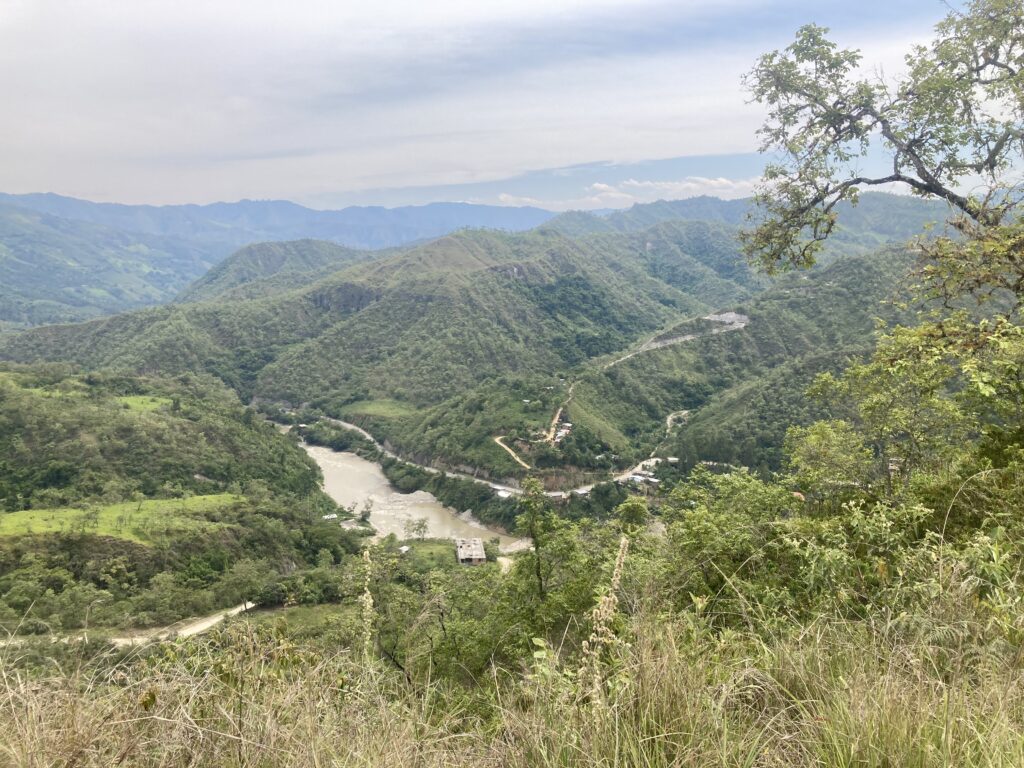
Once we reached the top of the last climb we were so happy to be done climbing only to have to carefully traverse down a super steep downhill to the river – our brakes barely held the heavy bicycles. Several times we had to stop to give our hands and forearms a break from holding the brakes.
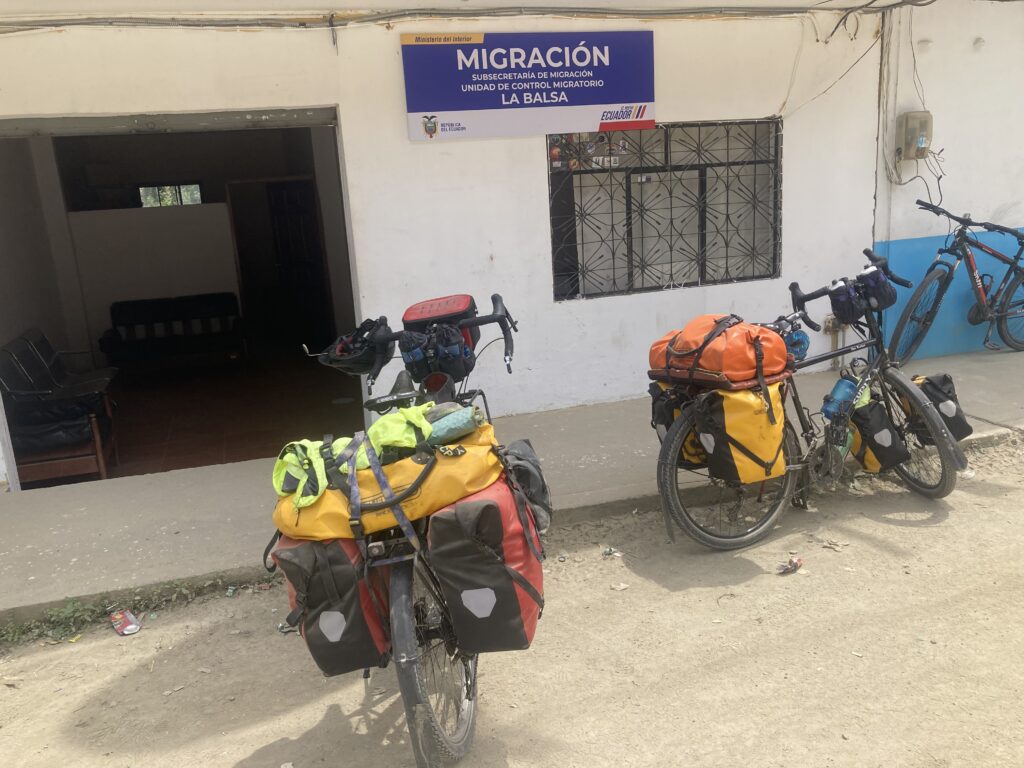
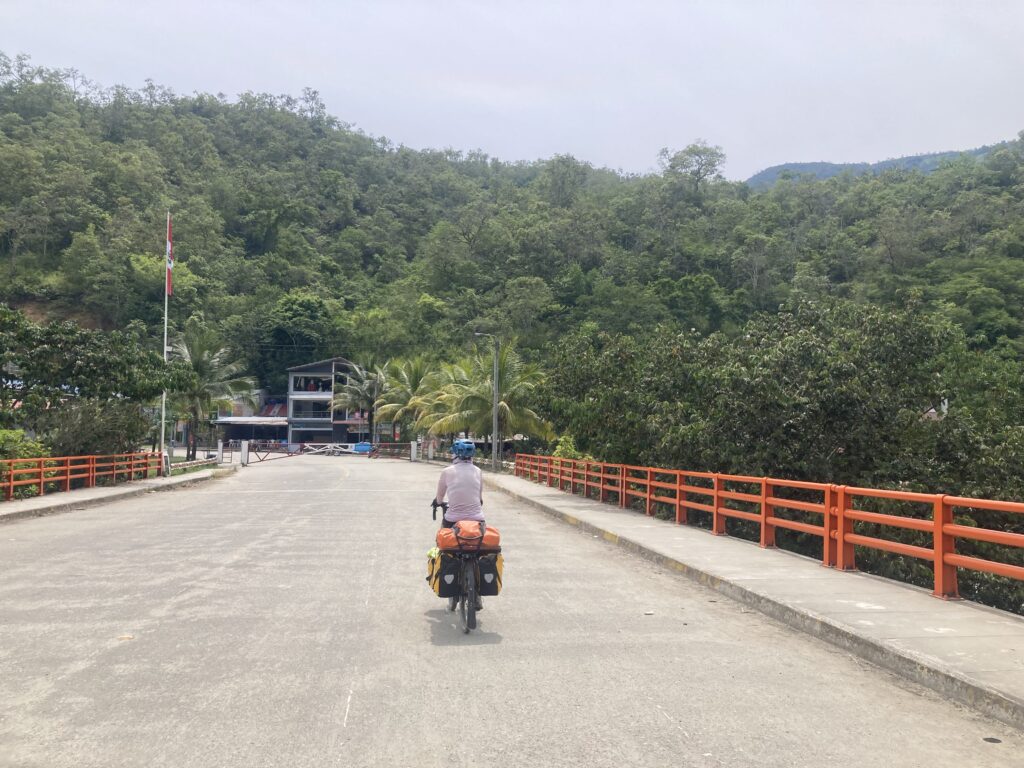
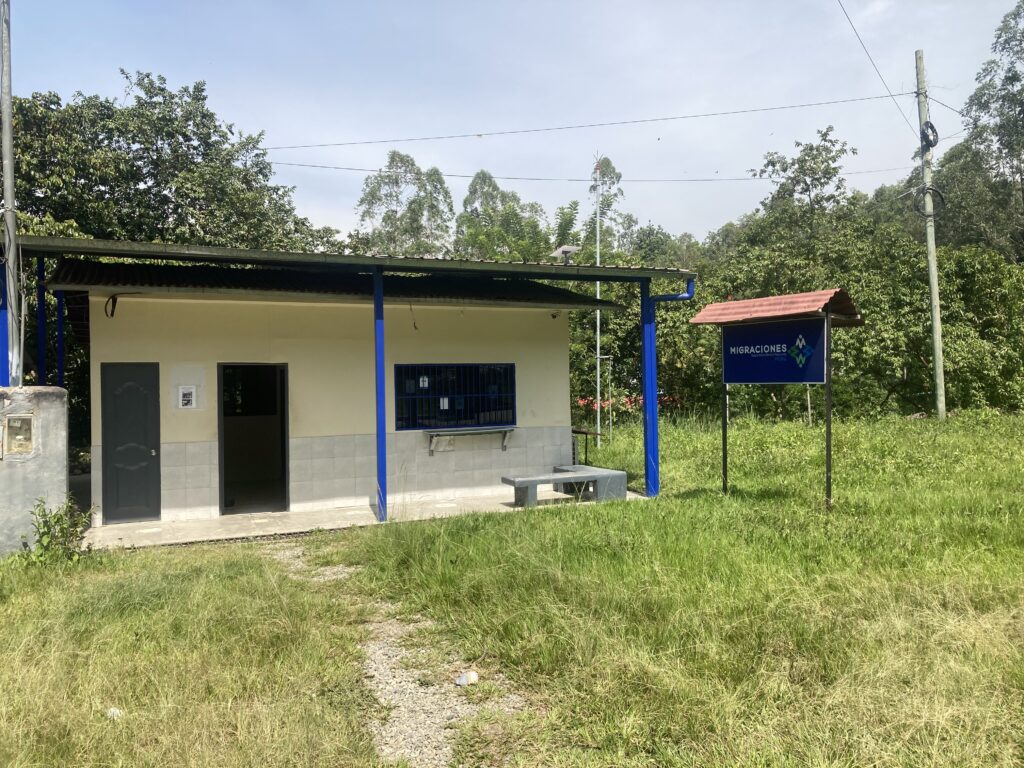
So happy – that’s Peru over there! There was only one more kilometer (0.61 miles) to climb and it was a doozy with up to 17% grade – almost not even hike-a-bike-able. That’s the border down at the river We first stopped at the Ecuador Immigration office to get our exit stamp. Super quick just had to wait for the internet to work 🙂 Patricia rides across the bridge to cross into Peru (red & white windless flag on left side) – woot woot country #12 for this journey 🙂 Next stop was Peru immigration office – at first the immigration officer said we could not spend more than 90 days in one year in Peru but we were fairly certain with an exit and re-entry we would get another 90 days…with a call to the supervisor we were re-assured we’d get another 90 days 🙂
From the border we pedaled another 6km (3.6 miles) to the border town of Namballe, our stop for the evening. Like most border towns, Namballe was rough but provided a decent accommodation for the night. One highlight of our stop in Namballe is we ended up at the same hotel as a fellow bicyclist, Mark, from Germany. Mark left Germany 9 years ago and has been on the road since – we shared dinner with Mark and had fun swapping travel stories. And the next day on our ride to San Ignacio we saw Mark on and off throughout the day. We’ll probably catch up with him again down the road.
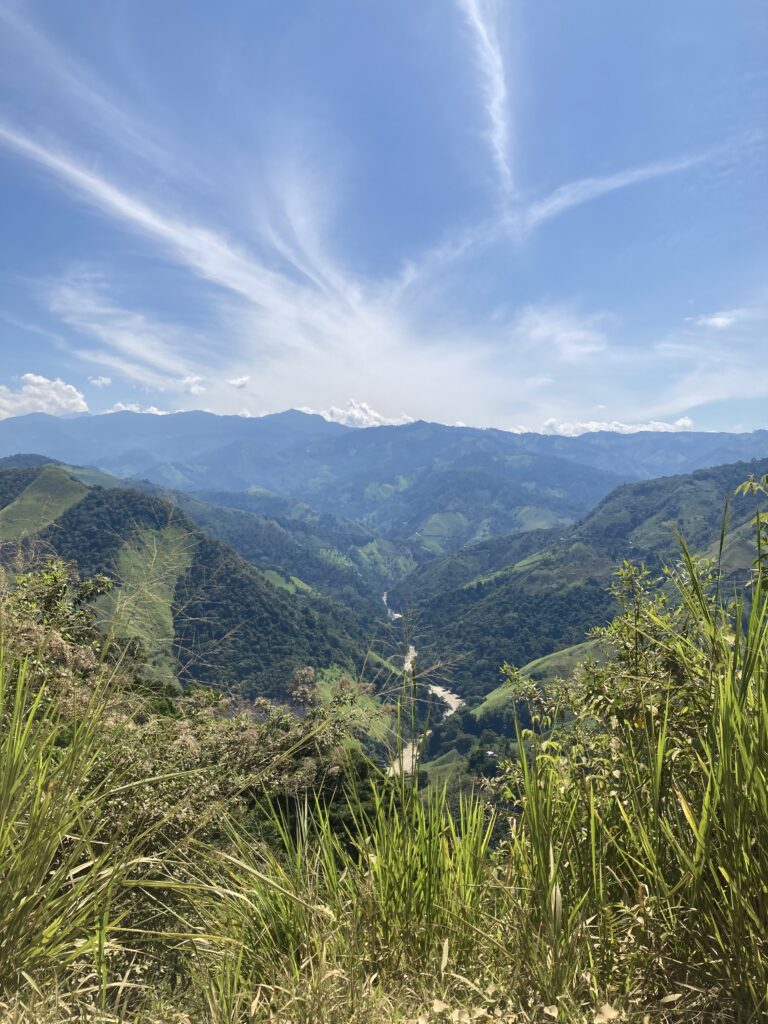
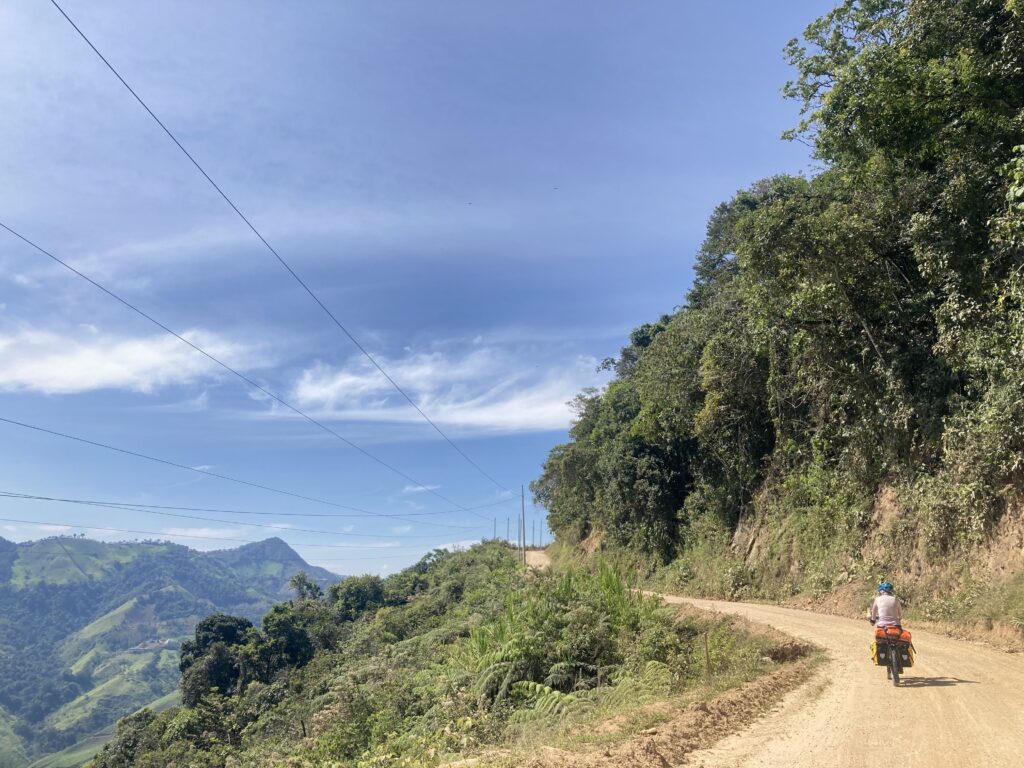
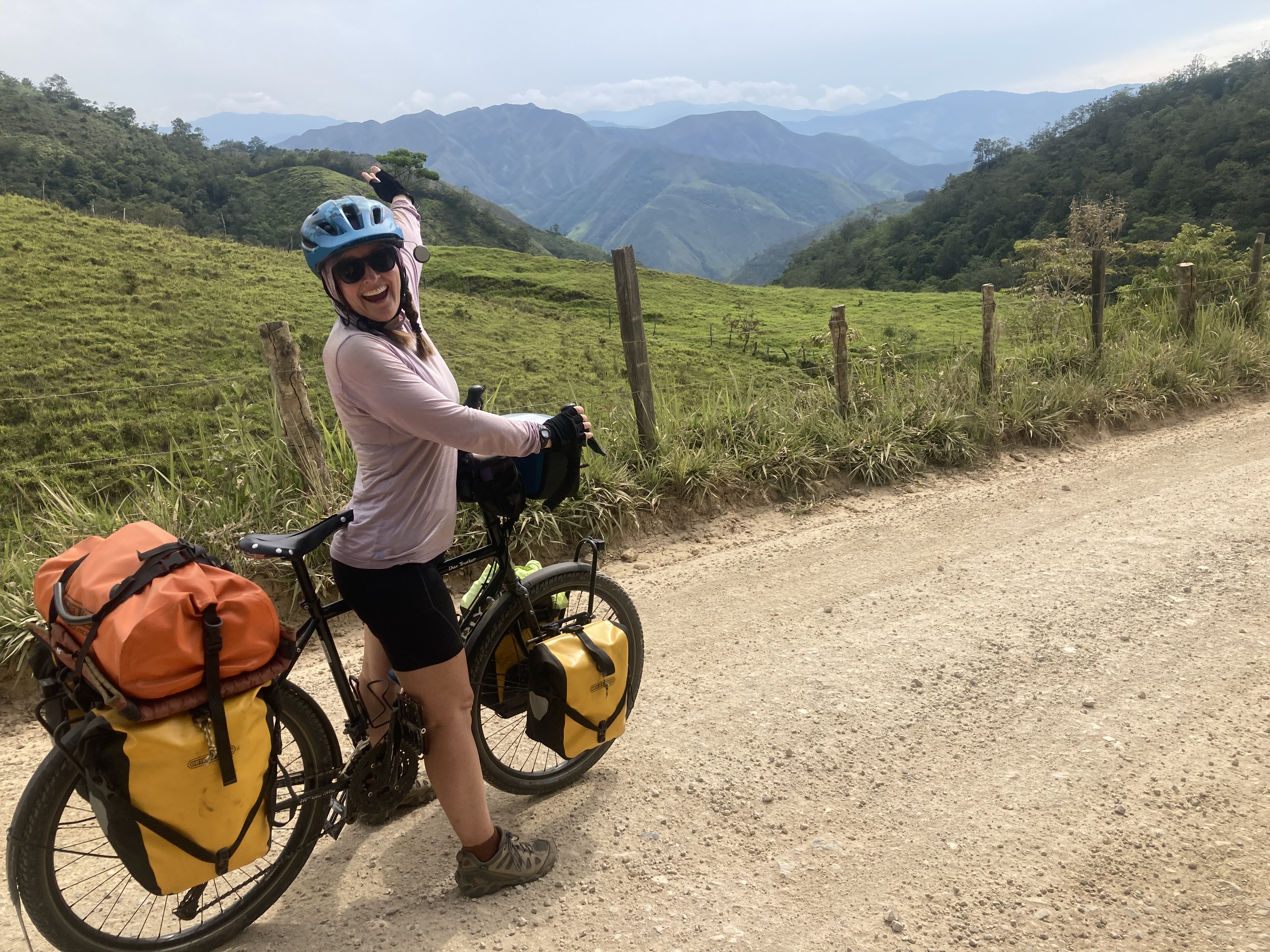
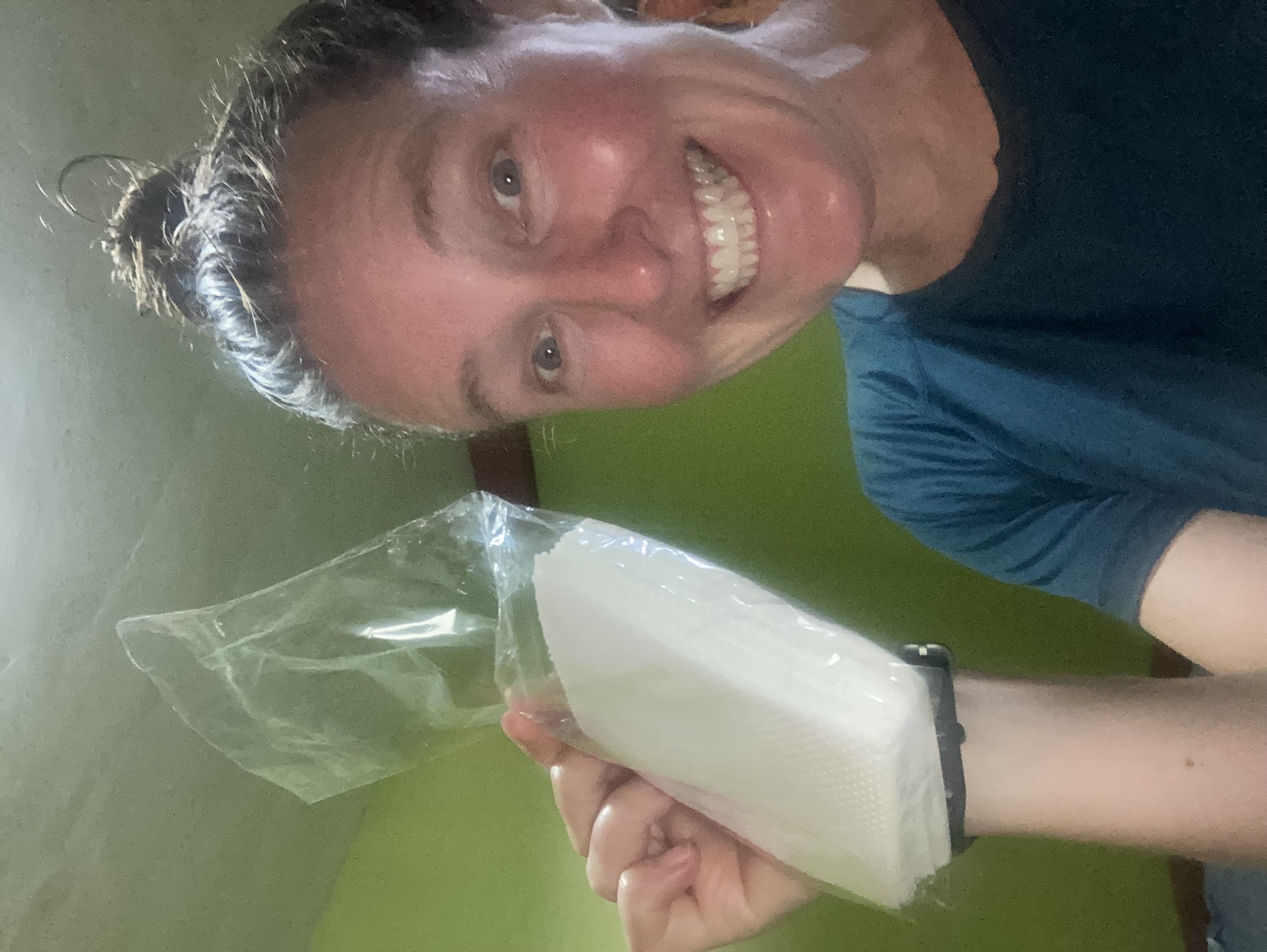
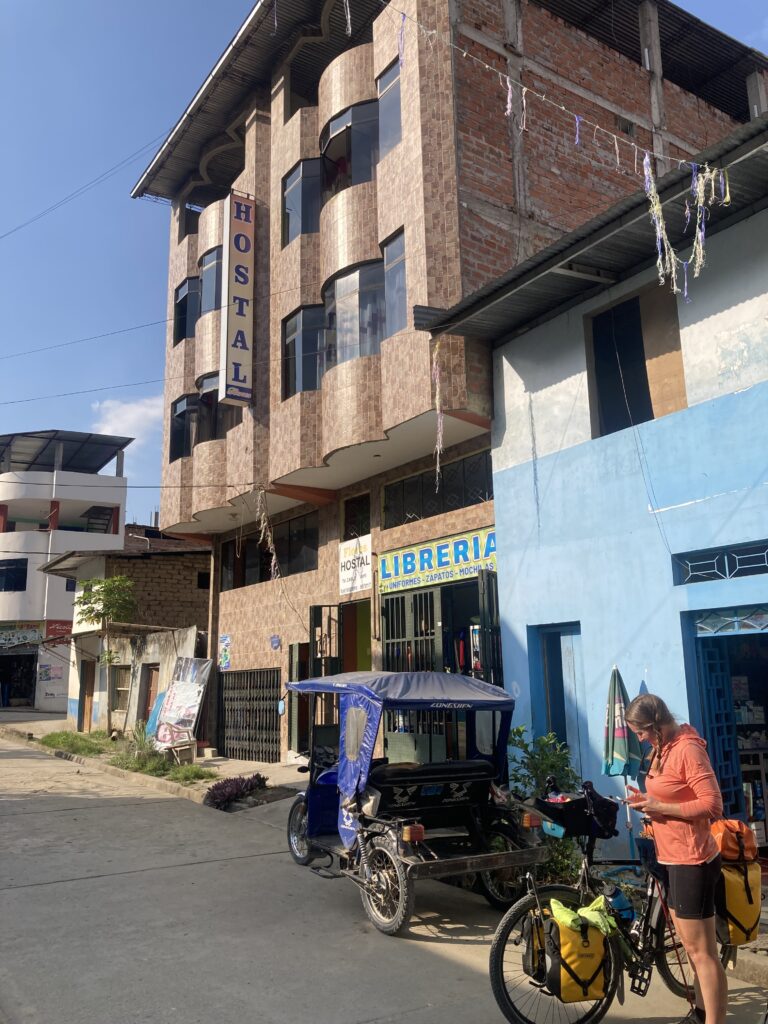
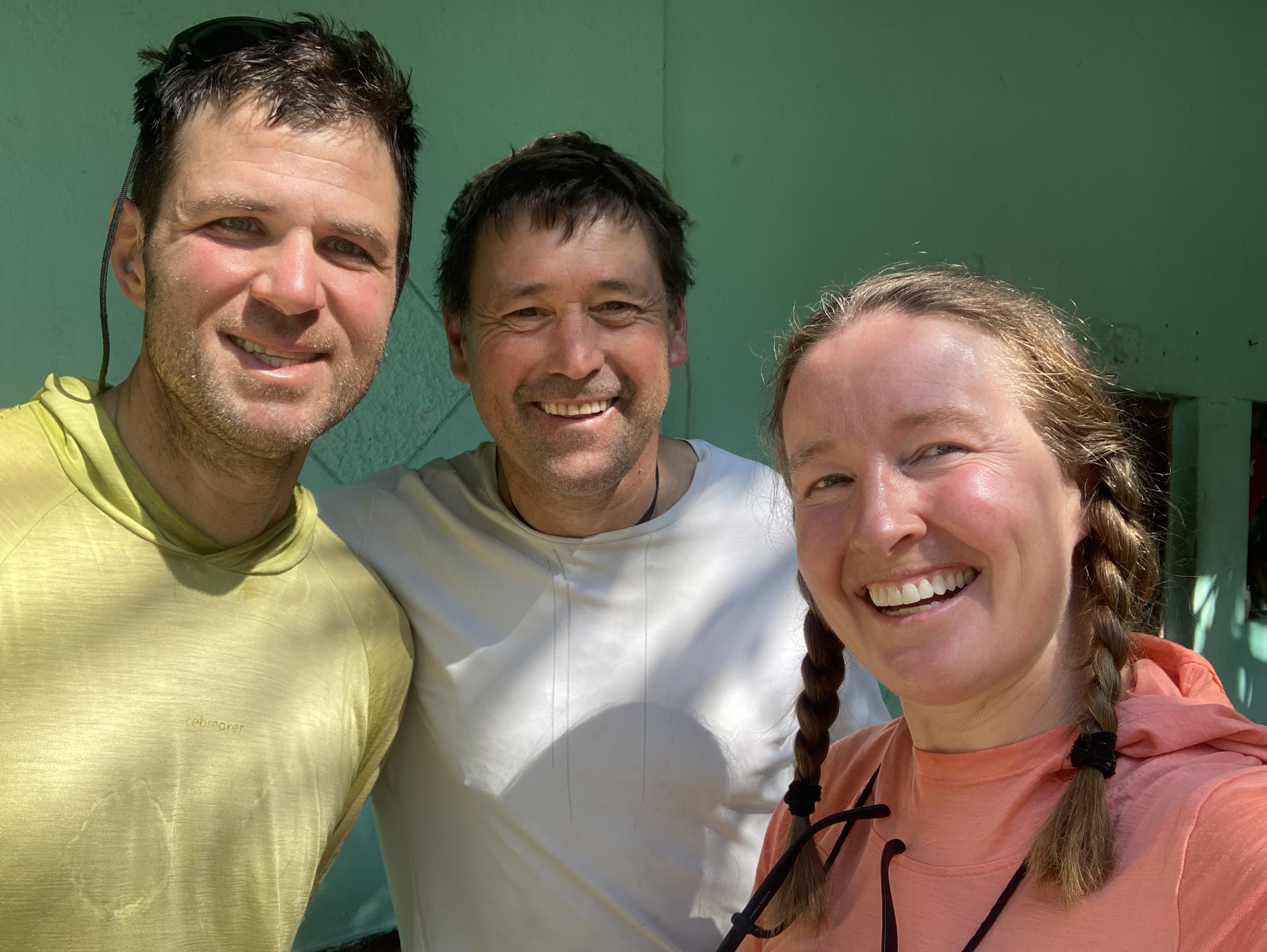
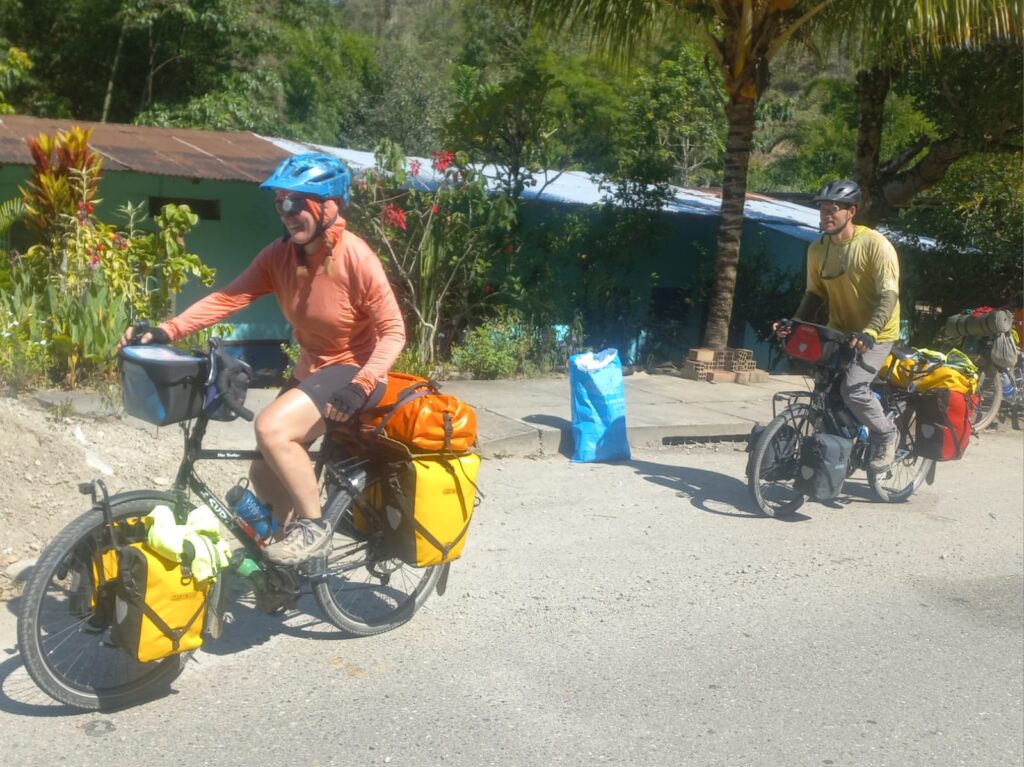
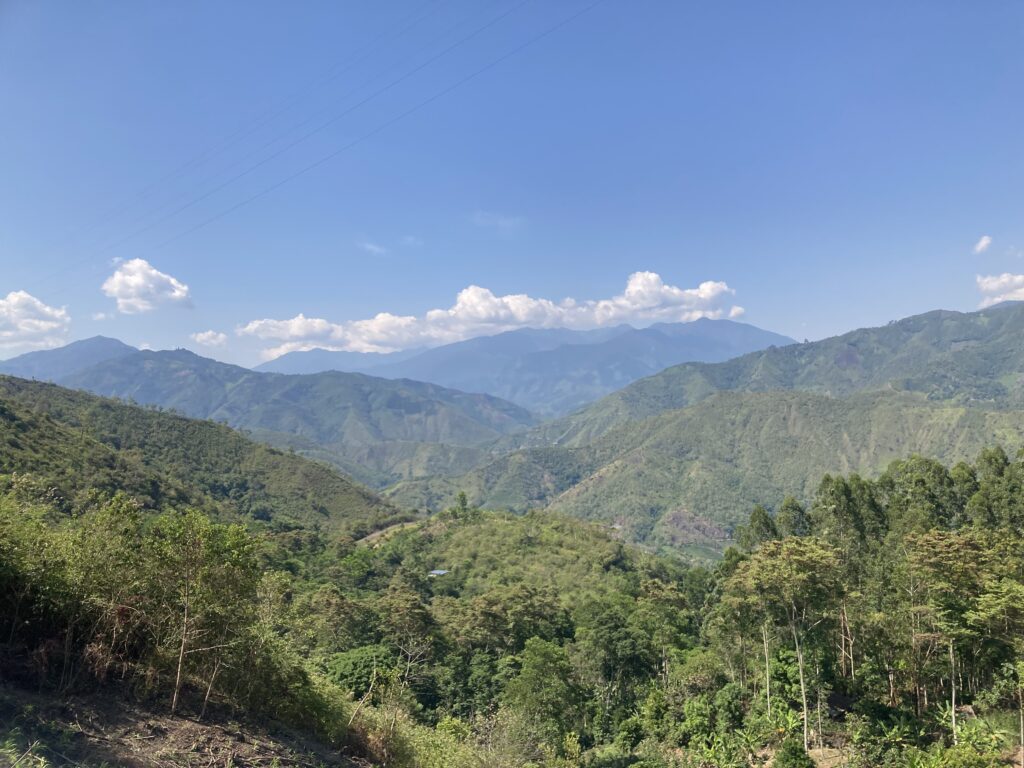
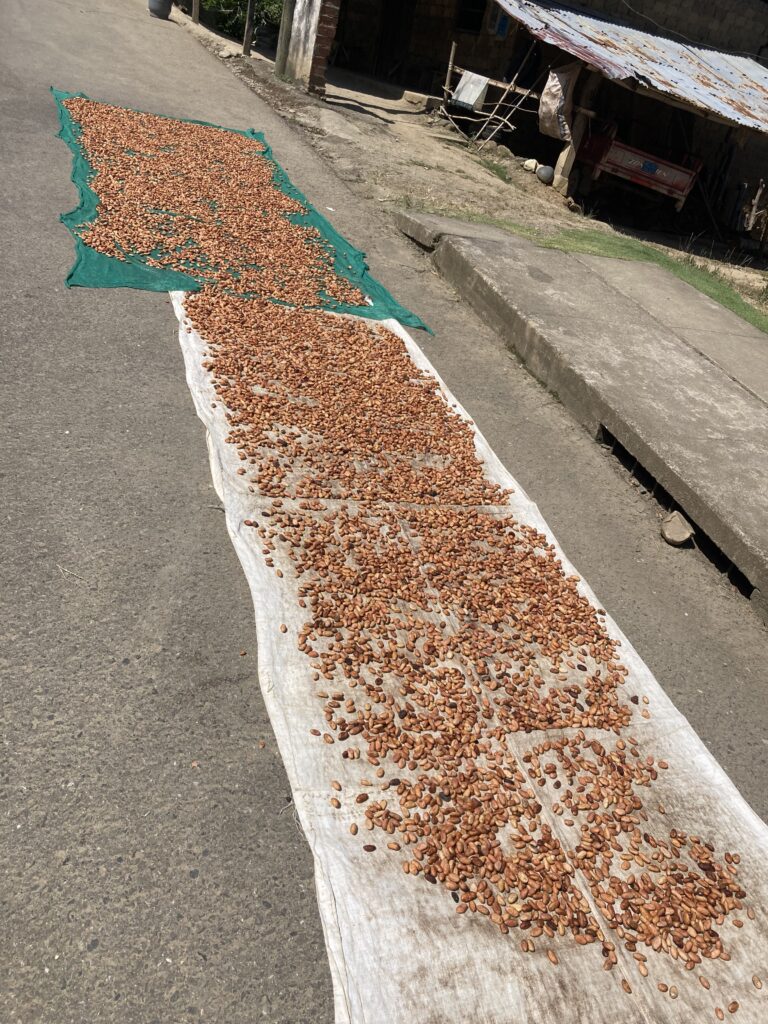
Toilet paper for our hotel in Namballe, Peru – better not need more than this hahaPatricia readies the Garmin before we leave Namballe, Peru – our hostal is shown behind her. On the ride out of Namballe, Peru we caught up with Mark from Germany who we first met in Vilcabamba, Ecuador. We’re sure to see him down the road again as we are all heading south. The rare picture of both of us together – taken by Mark 🙂 More Andes – but these are Peruvian Andes…tired of Andes pictures yet?!Cacao dries on the side of the road in Northern Peru.
We plan to make our way toward Lima, Peru by the beginning of March when we will fly back to the USA for another break before returning to Peru in August-ish to complete (?!) the journey south. As always…plans are subject to change 😉
We’ve had to shut off the comments because of trolls – sorry! You are welcome to respond the the email, use the “contact us” page or find us on social media – we’d love to hear from you!
16 thoughts on “Day 424 – 445: Cuenca, Ecuador to San Ignacio, Peru”
Oh my goodness1!! I am so envious. You two have had a priceless trip and such beautiful scenery!! The food looks great and I particularly like the fur babies provided for your room. I am sure you are going to miss it some???? When you get back to the mountains, I will come up with your Mom and Dad to visit!!! Love you all and continued God’s Peace and Blessings.
Wow, you two are studs! We took a jeep ride up a volcano in Hawaii at 13,700 feet and just walking around at the top winded us. I couldn’t imagine biking or pushing a bike. So impressed! I admire your desire to learn and explore where you stop for rest and refreshment. I’m living vicariously through you. Take care— Lisa
PS Keith says AI translates una navidad sin filtros to mean “a real, authentic Christmas.” Not exactly cranberries and eggnog.
I hope y’all will be writing a book about your amazing travels/adventure!!!
Patricia and Dustin, congrats on making it to Peru! It was so wonderful to see you again in Cuenca. Have a very Merry Christmas and a wonderful New Year!
So grateful that you have taken us along with your on your great adventure. What an amazing ride. Wishing you all the best as you navigate Christmas so far away. Take care.
The unearthed temple you had pictures of is fascinating! I love old history like that. The cow in the picture is cute! I guess you must get unexpected sights like that. The landslides are surely scary! I guess you peddle like crazy if you hear a rumbling! The picture of the crack in the road, where the cyclist had fallen, is really scary. So many things you must watch for! Be safe you two!
What a beautiful area.
Absolutely gorgeous!
Praying for your continued safety as you continue your journey. You are definitely having a once in a lifetime experience. You should write a book about your adventures.
Writing a book sounds like a lot of work – we’re thinking to print & bind the blog for a coffee table book someday 🙂
I hope it is therapeutic for you to catalogue your journey and not a chore, because we all enjoy it so much! Some of my favorites: Las Letras and entrance gates to the towns, spending time with Linda and Cliff who you met in Oregon (unbelievable), kindness of strangers and the “furry friend” in your hotel room!!
But I do shudder at the landslides, gravel roads, steep grades and high altitudes. We have had experience with high altitudes that were not good!
God be with you as you continue.
It is somewhat therapeutic to write the blog – great way to put it! Also, we’re hoping to have the blog printed & bound for a coffee table book someday 🙂
Have you kept track of total number of flat tires, total time making bike repairs, how many brakes repllaced? Did you get one of those handy dandy pizzaslicers. How could you? there’s no room to put it anywhere. Have you been cataloging recipes? Stay safe. God Bless.
We have a “repair/maintenance” tab on our spreadsheet…although sometimes we forget to enter items. So we have a decent record of flats, chains, brakes, tires, etc but we don’t record time 🙂
No fancy pizza slicer…although we did add a hotplate recently…there’s always room for more!
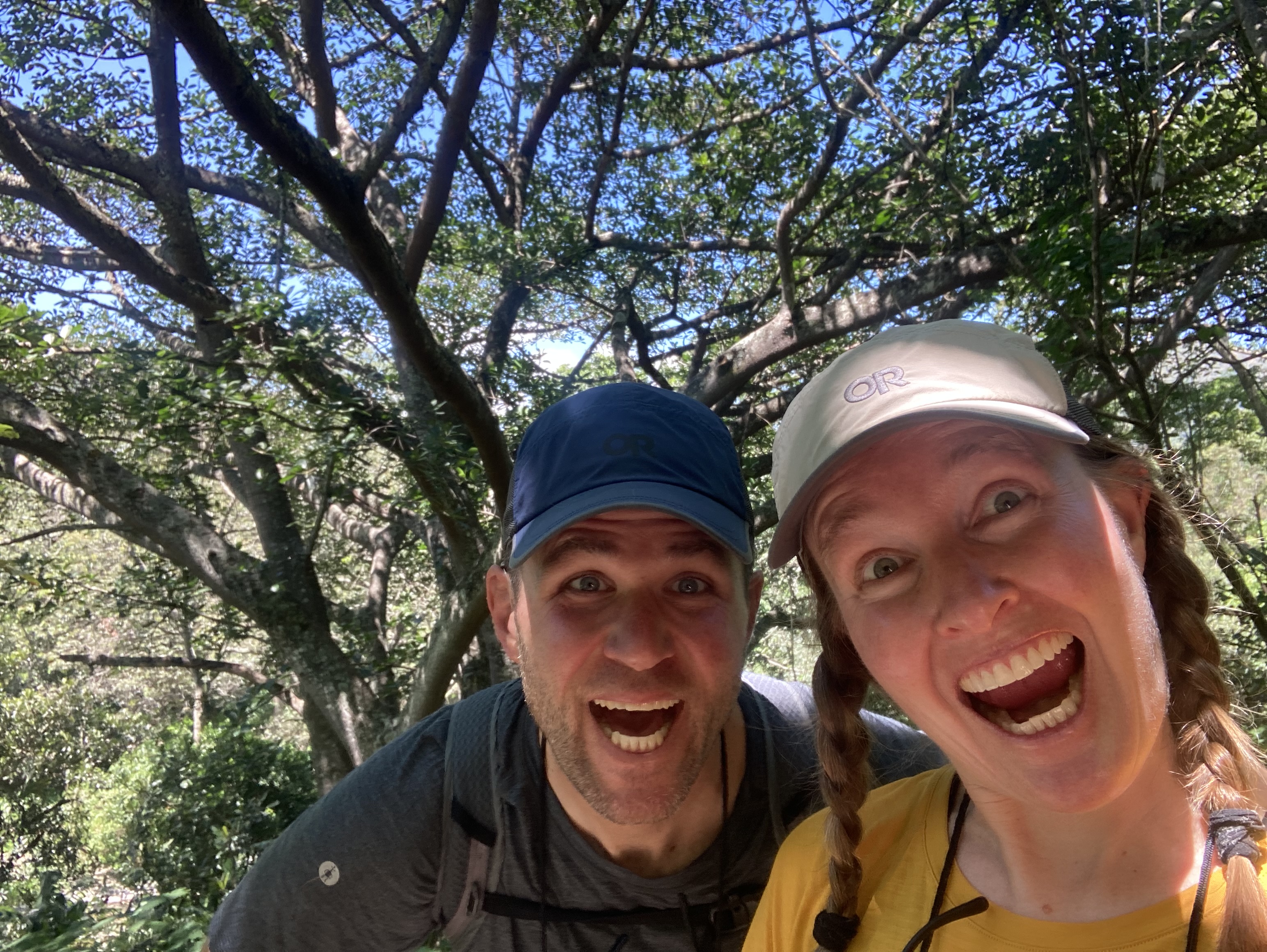
Y’all are always smiling in the pix, in spite of low 02, sweat, burning muscles & possible flea bites from the resident fur babies. Inspirational. I do wonder if you attend any of those beautiful churches (or smaller ones?) when you are near one on a Sunday or a local feast day. If so, how do you find the worship?
Stay safe, take care of yourselves, and please keep us posted as you go. God bless
We’ve attended several churches when we happen upon a service – we follow the Hail Mary and Our Father but the rest is difficult to follow as our Spanish is infantile.
Oh my goodness1!! I am so envious. You two have had a priceless trip and such beautiful scenery!! The food looks great and I particularly like the fur babies provided for your room. I am sure you are going to miss it some???? When you get back to the mountains, I will come up with your Mom and Dad to visit!!! Love you all and continued God’s Peace and Blessings.
Wow, you two are studs! We took a jeep ride up a volcano in Hawaii at 13,700 feet and just walking around at the top winded us. I couldn’t imagine biking or pushing a bike. So impressed! I admire your desire to learn and explore where you stop for rest and refreshment. I’m living vicariously through you. Take care— Lisa
PS Keith says AI translates una navidad sin filtros to mean “a real, authentic Christmas.” Not exactly cranberries and eggnog.
I hope y’all will be writing a book about your amazing travels/adventure!!!
Patricia and Dustin, congrats on making it to Peru! It was so wonderful to see you again in Cuenca. Have a very Merry Christmas and a wonderful New Year!
So grateful that you have taken us along with your on your great adventure. What an amazing ride. Wishing you all the best as you navigate Christmas so far away. Take care.
The unearthed temple you had pictures of is fascinating! I love old history like that. The cow in the picture is cute! I guess you must get unexpected sights like that. The landslides are surely scary! I guess you peddle like crazy if you hear a rumbling! The picture of the crack in the road, where the cyclist had fallen, is really scary. So many things you must watch for! Be safe you two!
What a beautiful area.
Absolutely gorgeous!
Praying for your continued safety as you continue your journey. You are definitely having a once in a lifetime experience. You should write a book about your adventures.
Writing a book sounds like a lot of work – we’re thinking to print & bind the blog for a coffee table book someday 🙂
I hope it is therapeutic for you to catalogue your journey and not a chore, because we all enjoy it so much! Some of my favorites: Las Letras and entrance gates to the towns, spending time with Linda and Cliff who you met in Oregon (unbelievable), kindness of strangers and the “furry friend” in your hotel room!!
But I do shudder at the landslides, gravel roads, steep grades and high altitudes. We have had experience with high altitudes that were not good!
God be with you as you continue.
It is somewhat therapeutic to write the blog – great way to put it! Also, we’re hoping to have the blog printed & bound for a coffee table book someday 🙂
Have you kept track of total number of flat tires, total time making bike repairs, how many brakes repllaced? Did you get one of those handy dandy pizzaslicers. How could you? there’s no room to put it anywhere. Have you been cataloging recipes? Stay safe. God Bless.
We have a “repair/maintenance” tab on our spreadsheet…although sometimes we forget to enter items. So we have a decent record of flats, chains, brakes, tires, etc but we don’t record time 🙂
No fancy pizza slicer…although we did add a hotplate recently…there’s always room for more!
Y’all are always smiling in the pix, in spite of low 02, sweat, burning muscles & possible flea bites from the resident fur babies. Inspirational. I do wonder if you attend any of those beautiful churches (or smaller ones?) when you are near one on a Sunday or a local feast day. If so, how do you find the worship?
Stay safe, take care of yourselves, and please keep us posted as you go. God bless
We’ve attended several churches when we happen upon a service – we follow the Hail Mary and Our Father but the rest is difficult to follow as our Spanish is infantile.